
Nikro Air Duct Cleaning in Ogden: A Homeowner’s Guide
Most duct cleaning setups pull air from one point at a time. Nikro’s negative-pressure systems are built to hold a consistent vacuum across the whole duct network at once, and that physical difference shows up in what actually gets captured instead of what gets stirred up. This guide explains how a Nikro-equipped clean works, what HEPA filtration on the extraction unit really means for an Ogden home, and how to verify a company is using the equipment it advertises. If you’d rather skip the research and talk to someone, call (844) 564-2864.
How Does Nikro Negative-Pressure Equipment Actually Work?
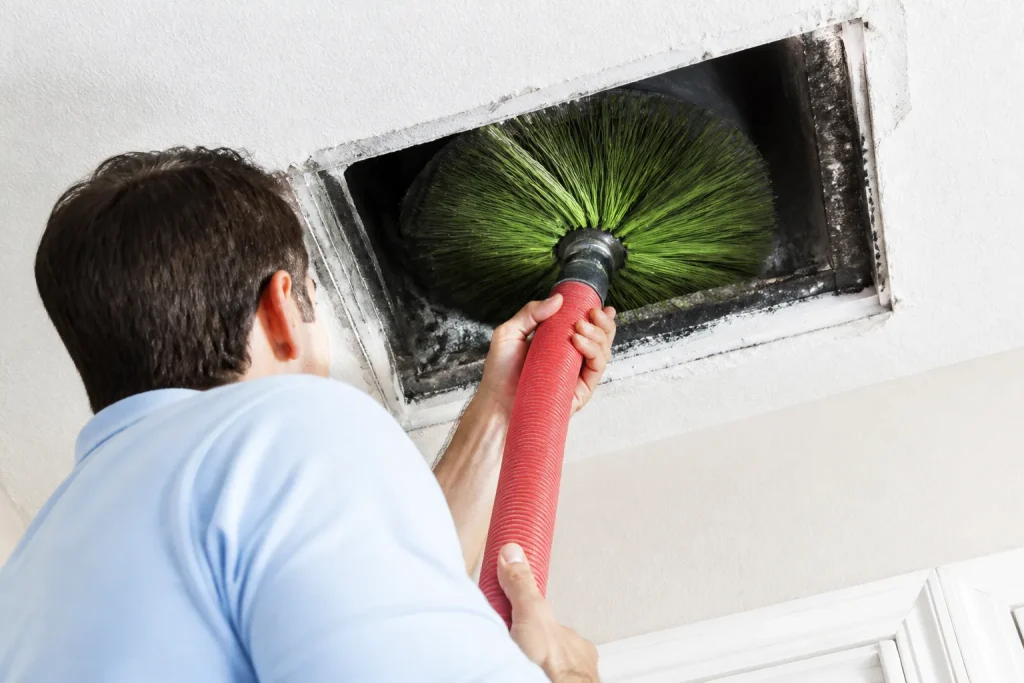
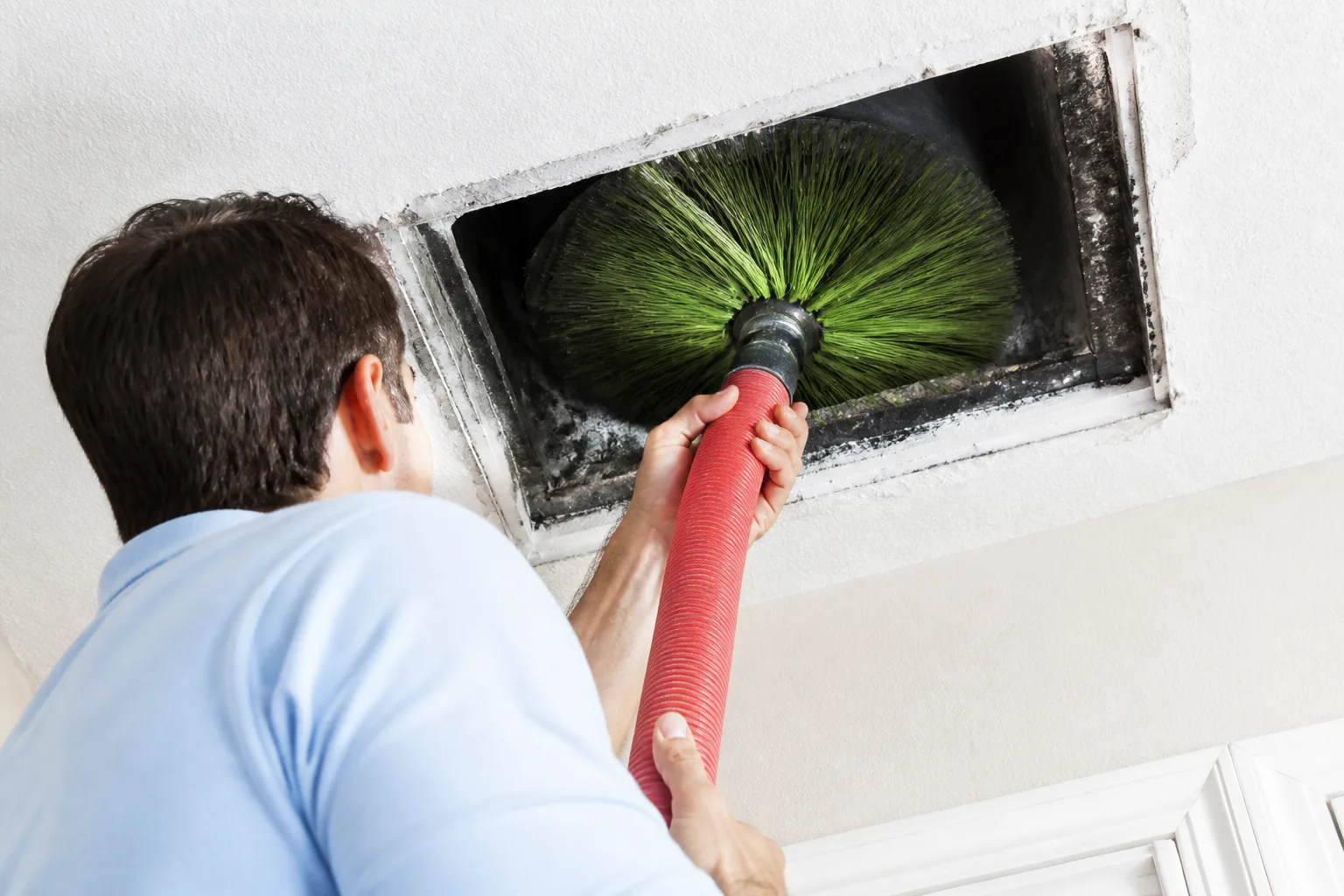
Nikro units run as a sealed system. The vacuum pulls the duct network under negative pressure, meaning the air inside the ducts wants to travel toward the machine rather than out into your rooms. A rotary brush agitates debris off the duct walls while that negative pressure carries it into a HEPA-rated collection chamber. In our experience, that combination of agitation and containment is what separates a real clean from a surface pass.
Compare that to the portable shop-vac-style rigs that show up with some budget crews. Those create suction at a single point and rely on the technician moving from vent to vent, which leaves the trunk lines and the far end of the system under-served. The debris that doesn’t get captured can settle back onto duct surfaces or get pushed into living space when the blower kicks on.
Nikro’s design goal is consistent vacuum across the network simultaneously. That matters most in homes with long trunk runs, multiple branches, and returns that feed several rooms. Older Ogden housing stock, especially the bungalows and mid-century ranches common in neighborhoods like East Bench and the Jefferson area, often has duct layouts that wander through the structure. A single-point vacuum has to work much harder to reach the far branches; a properly set negative-pressure system holds the whole pathway under pull at once.
- Rotary brush: dislodges debris that’s bonded to the duct wall
- Negative pressure: keeps released debris traveling toward the machine, not into the room
- HEPA collection: traps fine particles the machine has already captured
What Does HEPA Filtration on the Extraction Unit Mean for an Ogden Home?
HEPA filtration on the extraction unit means the machine captures the fine particulate it pulls out instead of exhausting it back into your living space. That’s the whole point of a HEPA-rated chamber. Without it, a high-powered vacuum can just move dust from the ducts to the air you’re breathing, which is the opposite of the goal.
For households with asthma or allergy sufferers, that containment is the reason to care. Fine dust, mold spores, and insulation fiber are exactly the particles that trigger symptoms when they’re airborne. A HEPA-rated Nikro system keeps them inside the machine. Portable rigs without proper filtration can vent those particles back into the room while the technician works, which is why some homeowners report feeling worse during a cheap cleaning rather than better after it.
The same principle sits behind the Abatement Technologies negative-air containment we sometimes use on jobs with heavier contamination. Negative air means the workspace is held under slight vacuum so airborne particles are drawn into filtration rather than dispersing. It’s a commercial and restoration-grade protocol, and it’s the kind of step that doesn’t show up on most residential quotes.
If your home has anyone with respiratory sensitivity, ask the company what filtration class their extraction unit carries before you book. If they can’t answer clearly, that’s your answer.
How Do You Verify a Company Is Actually Using Nikro Equipment?
Ask to see the equipment, and ask what model is being brought. Nikro units are labeled, they’re substantial pieces of machinery, and a technician who works with them daily can describe how they’re configured for your system. A company genuinely running Nikro negative-pressure equipment won’t mind the question. A company that just mentions the brand in marketing copy usually will.
Here’s a short list of questions that separate real equipment use from a keyword on a website:
- What make and model extraction unit will be on site?
- Is the vacuum HEPA-rated, and what’s its filtration spec?
- Does the setup use negative pressure across the whole system, or point suction at individual vents?
- Will the technician photograph the ducts before and after?
- Is containment (negative air) used when contamination is heavy?
Photos are the honest verification. Before-and-after images of your own ducts tell you what the equipment actually achieved. In our experience, crews that run professional-grade equipment are the same crews that document their work, because the equipment’s output is visible.
The equipment isn’t the only part of the story, either. The duct system itself has to be sound. A negative-pressure clean on leaking ducts pulls air from the house envelope as well as the ducts, which is why sealing gaps matters. Our air duct cleaning work includes looking at duct condition before the clean starts, and if we find gaps or separated joints, we flag them so sealing can happen before debris gets pushed into wall cavities.
Which Contaminants Respond Best to Negative-Pressure Extraction?
Mold spores, fine dust cake, and insulation fiber respond best to negative-pressure extraction because they’re light enough to go airborne the moment they’re disturbed. A brush alone can loosen them; it takes containment to make sure they end up in the machine and not in the room.
Dust cake is the layer of fine particles that bonds to duct walls over time. It’s stubborn, and brushing it off without simultaneous vacuum at the same surface just lifts it into the airstream. Nikro’s rotary brush and negative pressure work together here: the brush frees the debris, the vacuum pulls it in as it’s freed. That sequencing is the whole trick.
Mold spores are lighter and travel farther. When humidity in a duct system sits high enough, spores settle and can colonize porous surfaces. Mechanical cleaning removes the material they’re growing on, but sanitizing treatment afterward addresses what’s left behind. Guardsman sanitizing products applied after a mechanical clean are how we handle microbial concerns that vacuuming alone doesn’t resolve. Ogden’s dry summers help, but winter humidification and any seasonal moisture intrusion can create pockets where spores take hold.
Insulation fiber is the quiet one. Loose fiber from duct liner or attic insulation can drift into a system and collect in branches. It responds well to negative pressure because the fiber is fine and moves easily once pulled, but it’s exactly the kind of particle a non-HEPA rig exhausts back into the home. That’s why the filtration class of the extraction unit matters most in these cases.
Understanding the whole air pathway helps here. Ducts, the HVAC cabinet, the blower, the coil, and the dryer vent all share air quality concerns. Our HVAC cleaning work addresses the equipment side, and if you haven’t looked at your dryer vent in a while, dryer vent cleaning is worth scheduling alongside a duct clean.
What Should a Nikro-Equipped Cleaning Job Look Like?
A Nikro-equipped cleaning job should start with an inspection, follow with contained mechanical cleaning of the whole system, end with verification photos, and include a sanitizing step only where contamination calls for it. Here’s the sequence a homeowner should recognize when it happens.
- Inspection first. The technician should look at the furnace, the supply and return trunks, and any accessible duct runs before hooking up equipment. Problems like separated joints or crushed flex duct get found here.
- System isolation. The HVAC unit is isolated so debris doesn’t travel into the blower or coil during cleaning.
- Negative-pressure hookup. The Nikro unit is connected and the system is pulled under negative pressure before any brushing starts.
- Rotary brushing. Brushing runs through supply and return branches and trunk lines while vacuum holds the system under pull.
- Containment where needed. Heavier contamination may call for Abatement Technologies negative-air setup to keep the workspace itself under control.
- Verification photos. Before-and-after images of the ducts are captured so you can see the result.
- Optional sanitizing. Guardsman treatment applied post-clean if microbial contamination was identified.
If any of those steps are skipped or rushed, ask. A technician running real negative-pressure equipment should be comfortable walking you through why each step happens.
When to call a pro: if you’ve noticed musty odors, uneven airflow between rooms, or visible dust blowing from a vent after the furnace runs, the system is telling you something. Our technicians have up to 15 years of experience reading those signals, and we work the whole air pathway rather than just the vents you can see. Want hardware advice too? We work with Honeywell and Aprilaire products, so filtration, humidification, and UV recommendations come from the same visit as the cleaning. If you’d rather not DIY – and we’d gently suggest you don’t go pulling your own trunk lines apart – call (844) 564-2864. We answer 24/7. Fast dispatch from 7am to 7pm, Sunday through Friday.
The Bottom Line
Nikro equipment isn’t a marketing line. It’s a negative-pressure architecture that changes how much of the system actually gets cleaned, and it’s the reason HEPA-rated extraction matters to anyone with asthma or allergies in the house. If you’re booking a cleaning in Ogden, ask what equipment is coming, ask for HEPA-rated filtration, and ask for before-and-after photos of your own ducts. A company that can answer all three is a company you can trust with the job. If you’re in Ogden and need help, Ogden Air Duct Cleaning Pros offers free estimates – call (844) 564-2864.
Frequently Asked Questions
Yes. Nikro units hold the entire duct network under consistent negative pressure and collect debris in a HEPA-rated chamber, while portable shop-vac-style rigs create suction at one point at a time. The difference shows up in how much of the system gets cleaned and how much particulate stays contained. Call us for an exact quote – estimates are free.
Pricing depends on system size, duct layout, and contamination level, and we set one flat price per system before any work starts. We don’t quote per-vent teaser prices, and we don’t spring a bigger invoice once the equipment is running. Call (844) 564-2864 for an exact quote – estimates are free.
Cheaper quotes usually reflect single-point suction equipment, no HEPA filtration, and no containment – the three things that make a clean thorough. Those jobs take less time because they clean less of the system. Ask what model is coming and whether the vacuum is HEPA-rated, and the price difference usually explains itself.
It depends on the home. Pet dander, recent renovation work, visible dust at the vents, or ongoing allergy symptoms are all reasons to schedule sooner, while a newer home with clean ductwork and good filtration can go longer between cleanings. An inspection is the honest way to know. Call (844) 564-2864 to book one – estimates are free.
Written by the team at Ogden Air Duct Cleaning Pros.
Need Air Duct Cleaning Help?
Call Ogden Air Duct Cleaning Pros - the local pro we connect you with is licensed and insured, with free written estimates in Ogden.
(844) 564-2864