
Last updated November 25, 2026
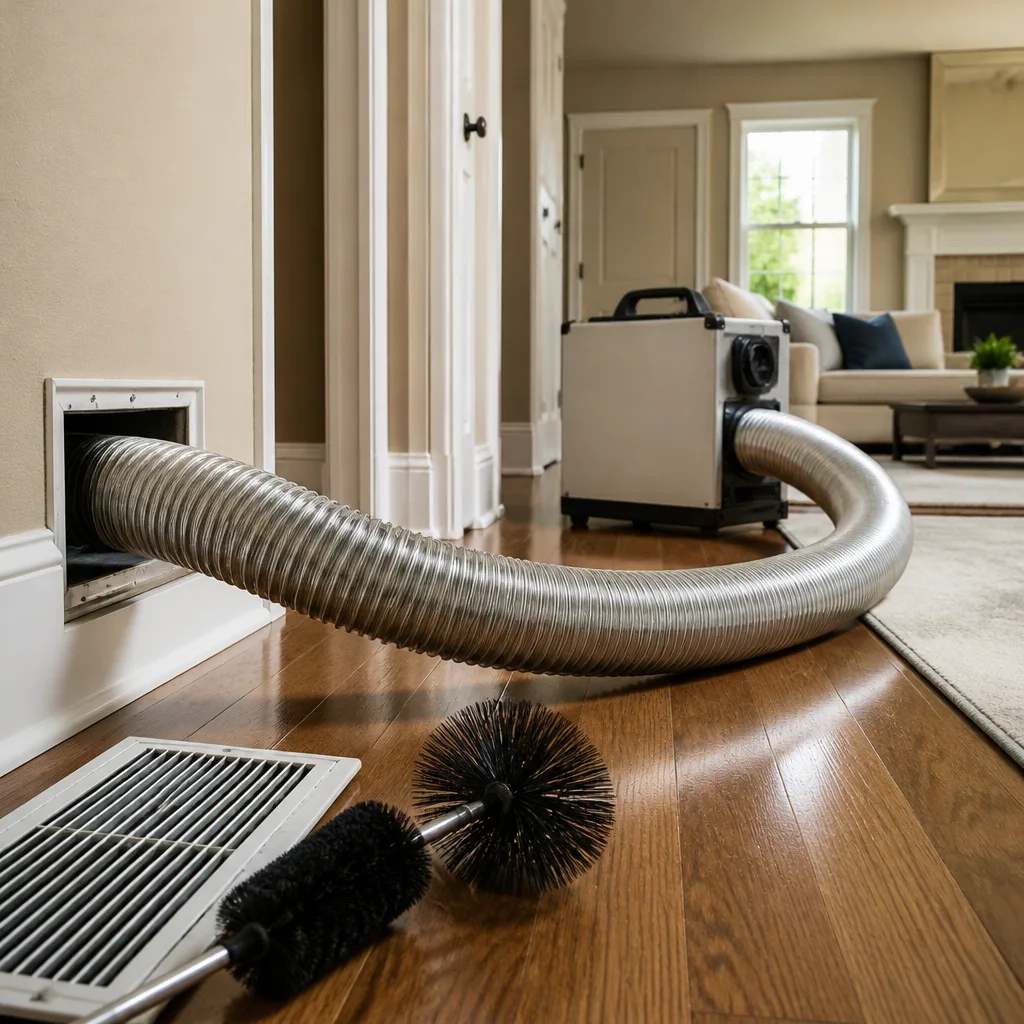 Whole-home duct cleaning
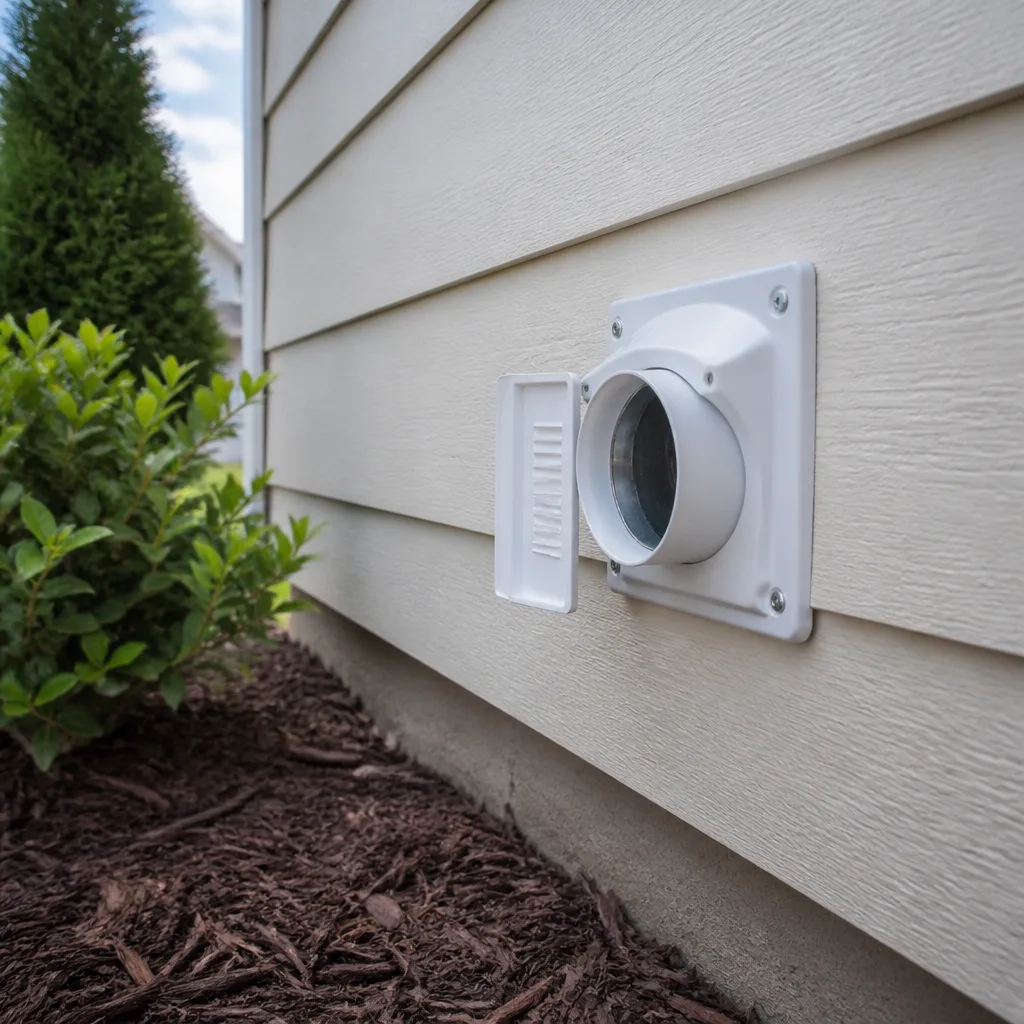 Dryer vent cleaning
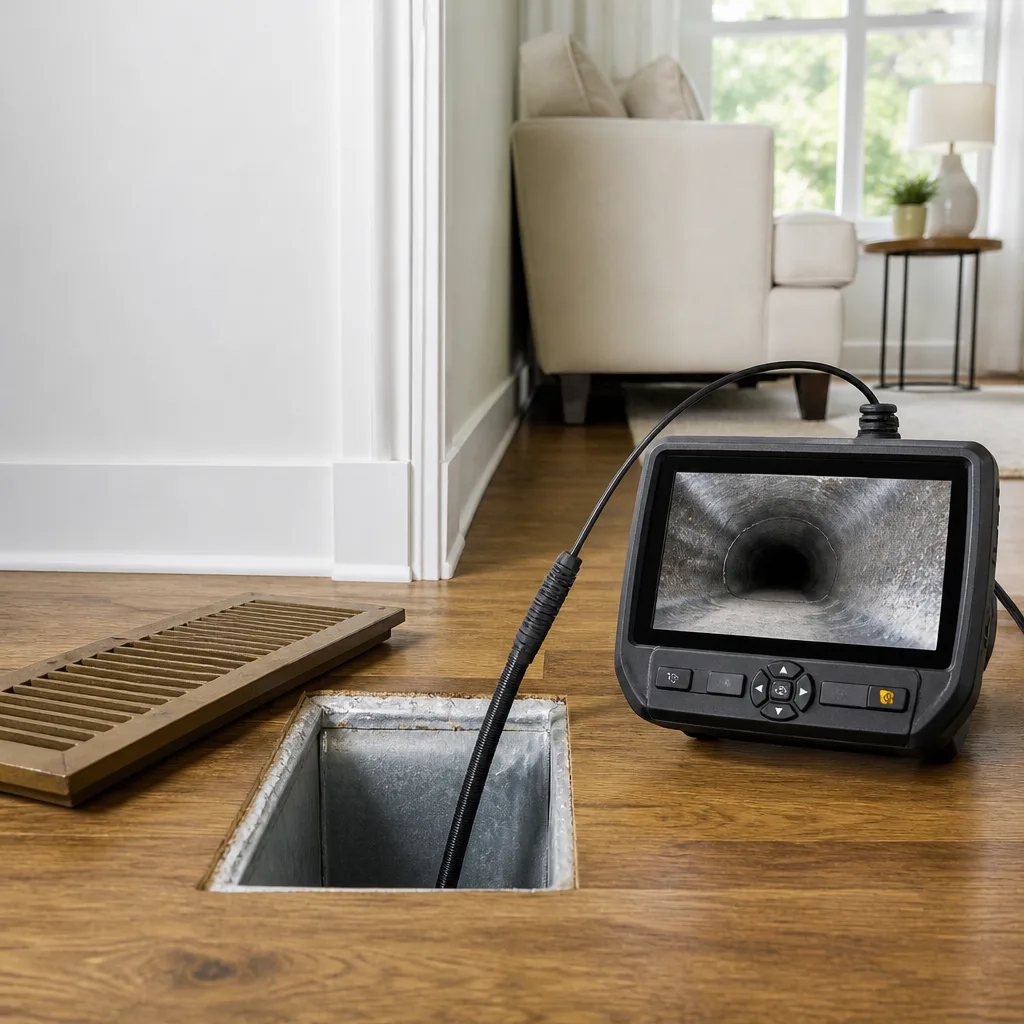 Camera inspection
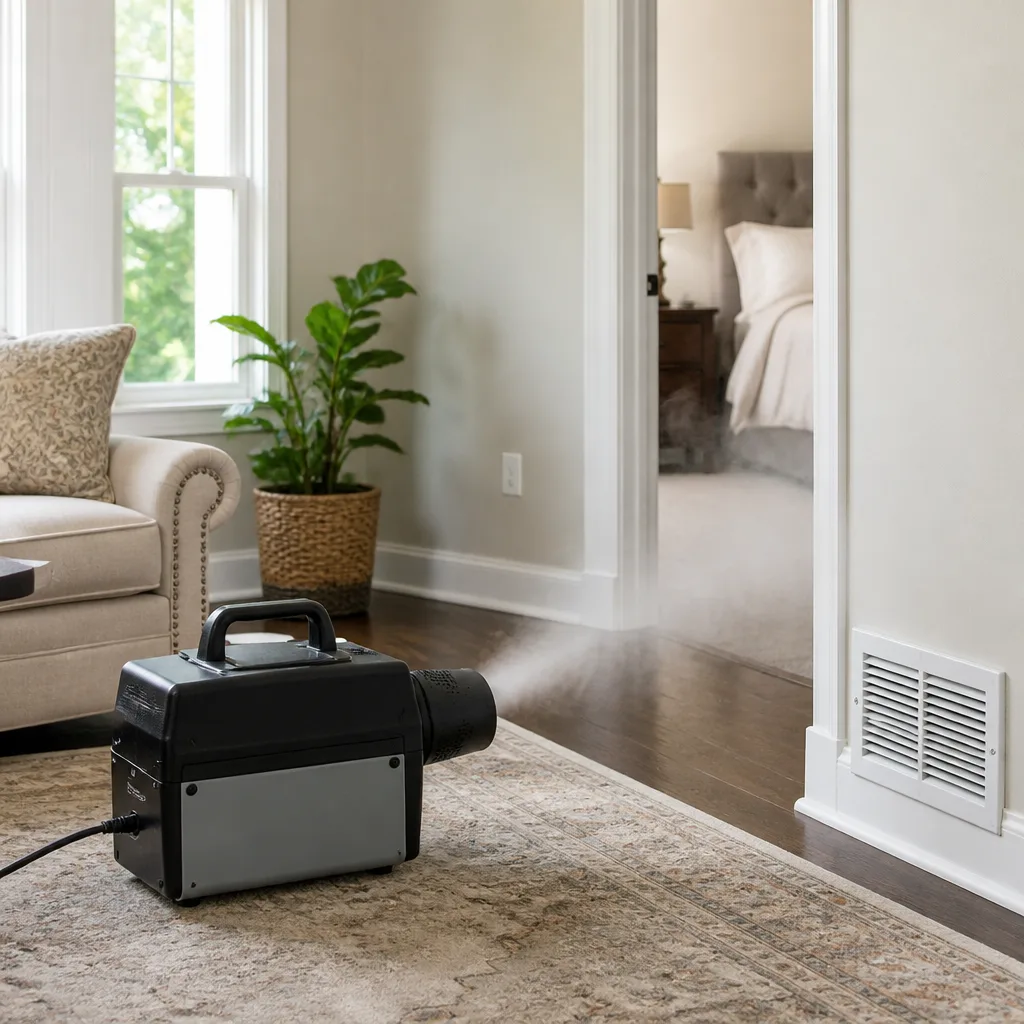 Sanitizing & deodorizing
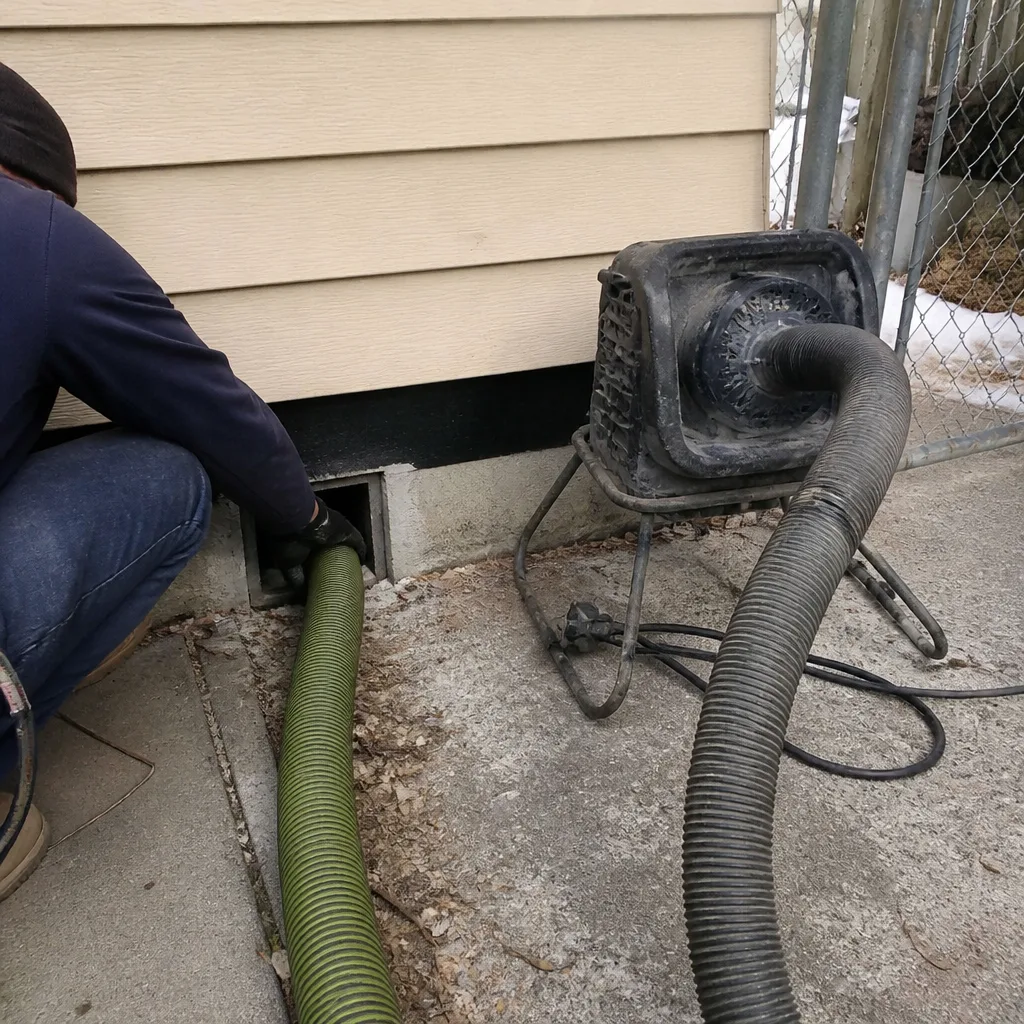
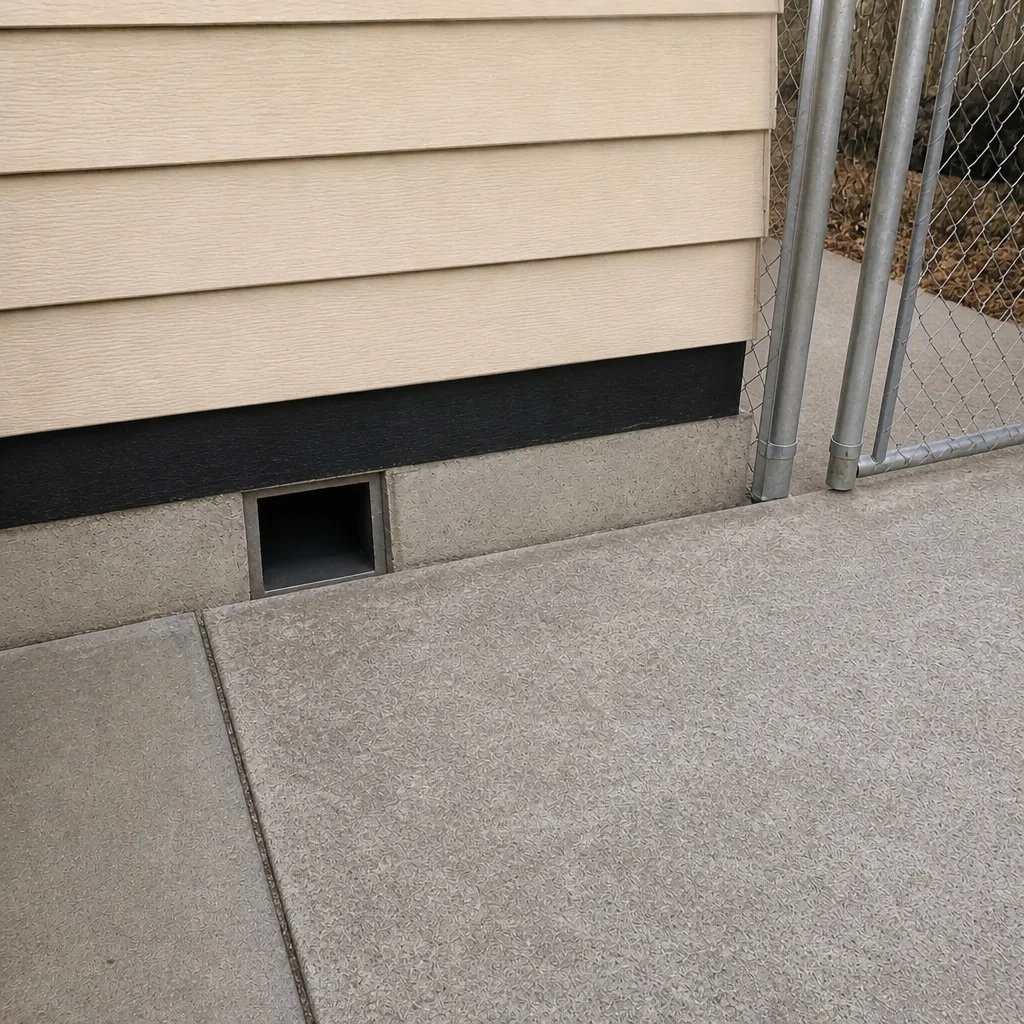
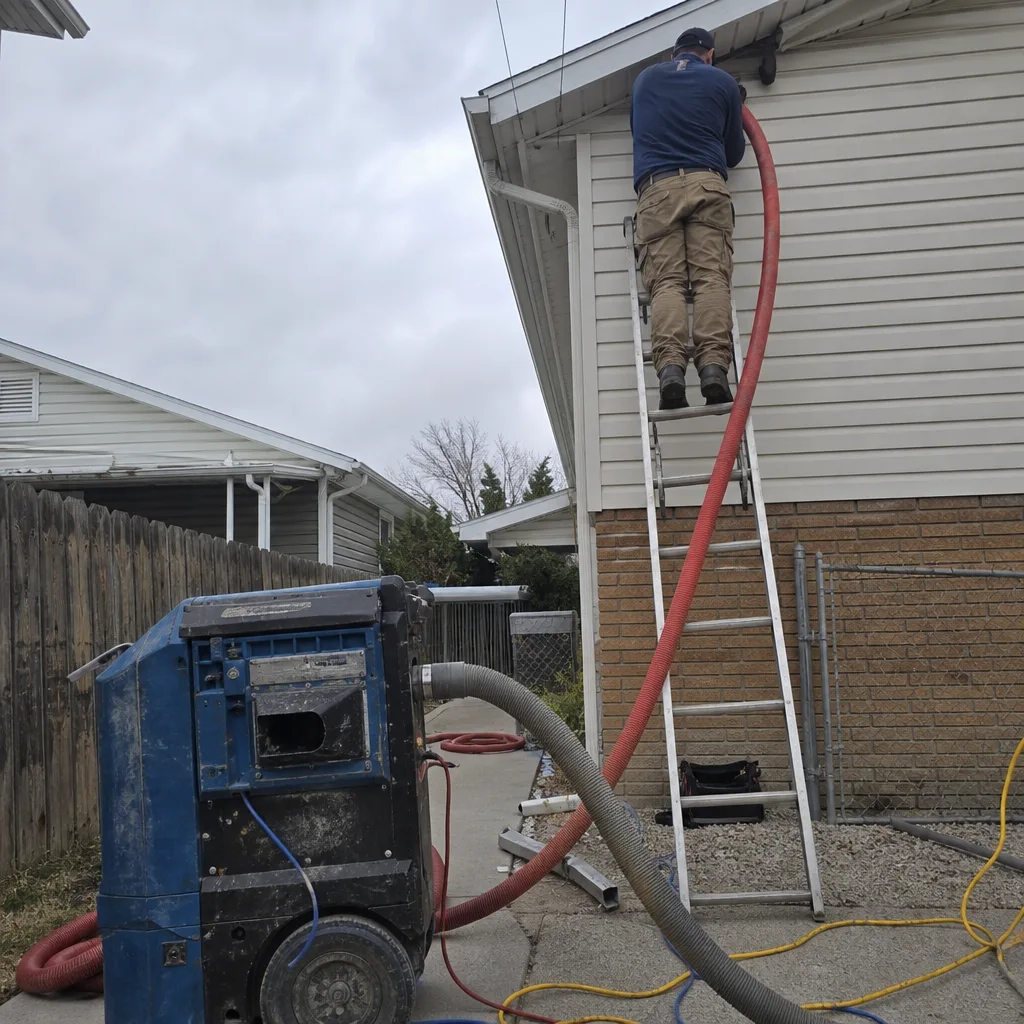
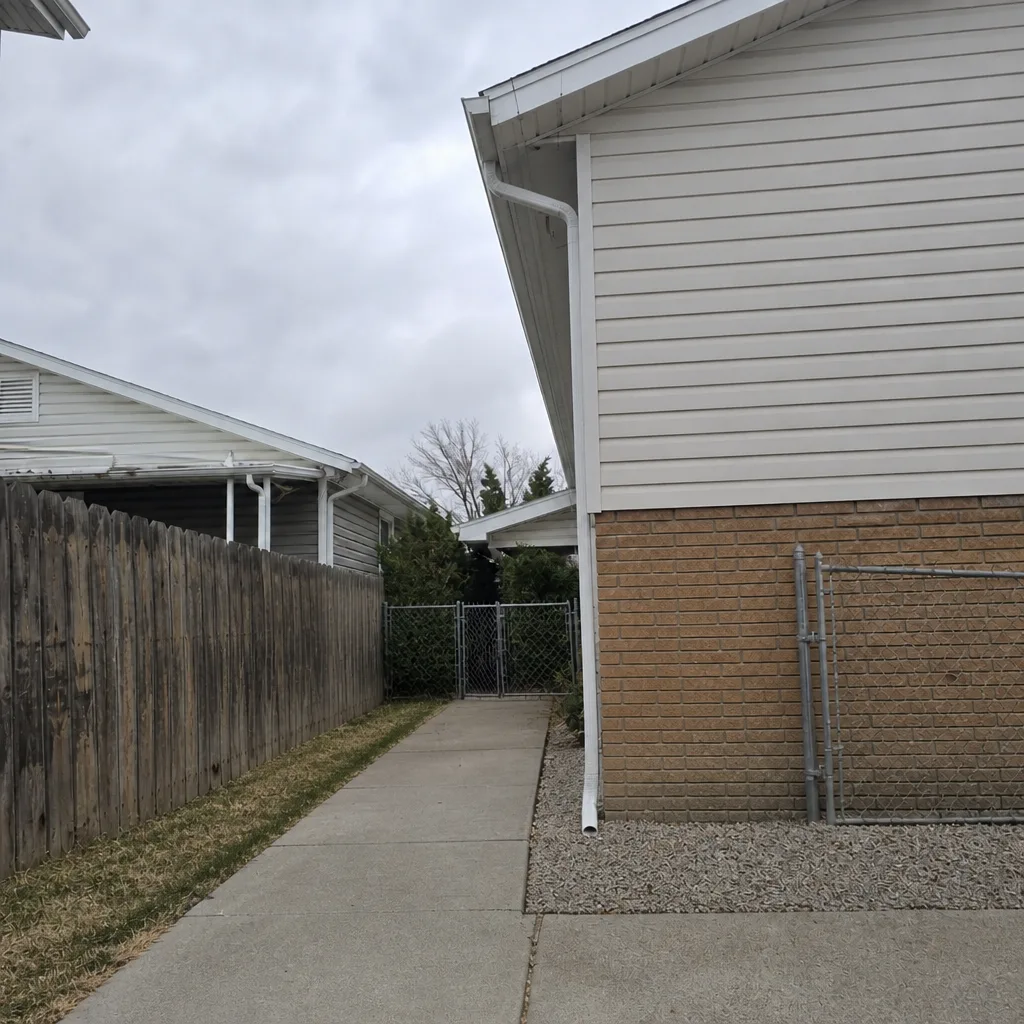
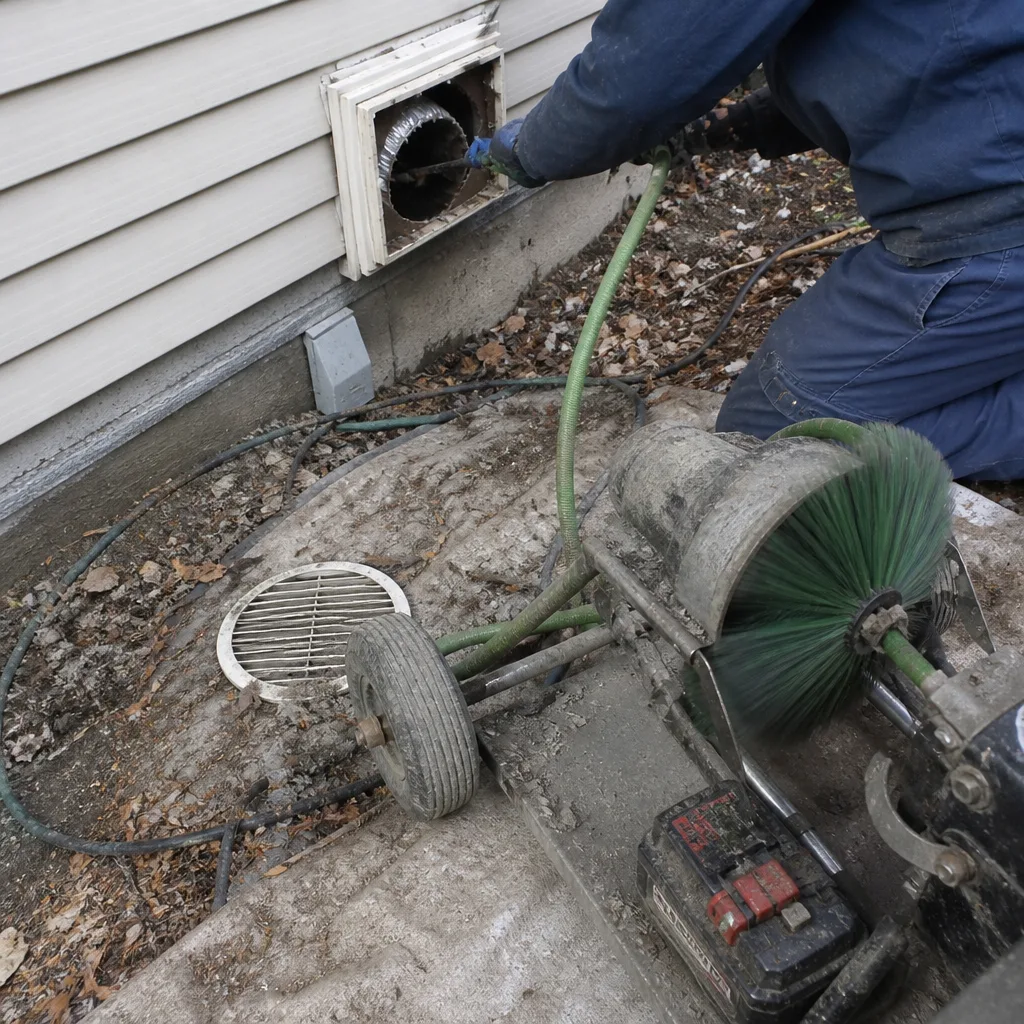
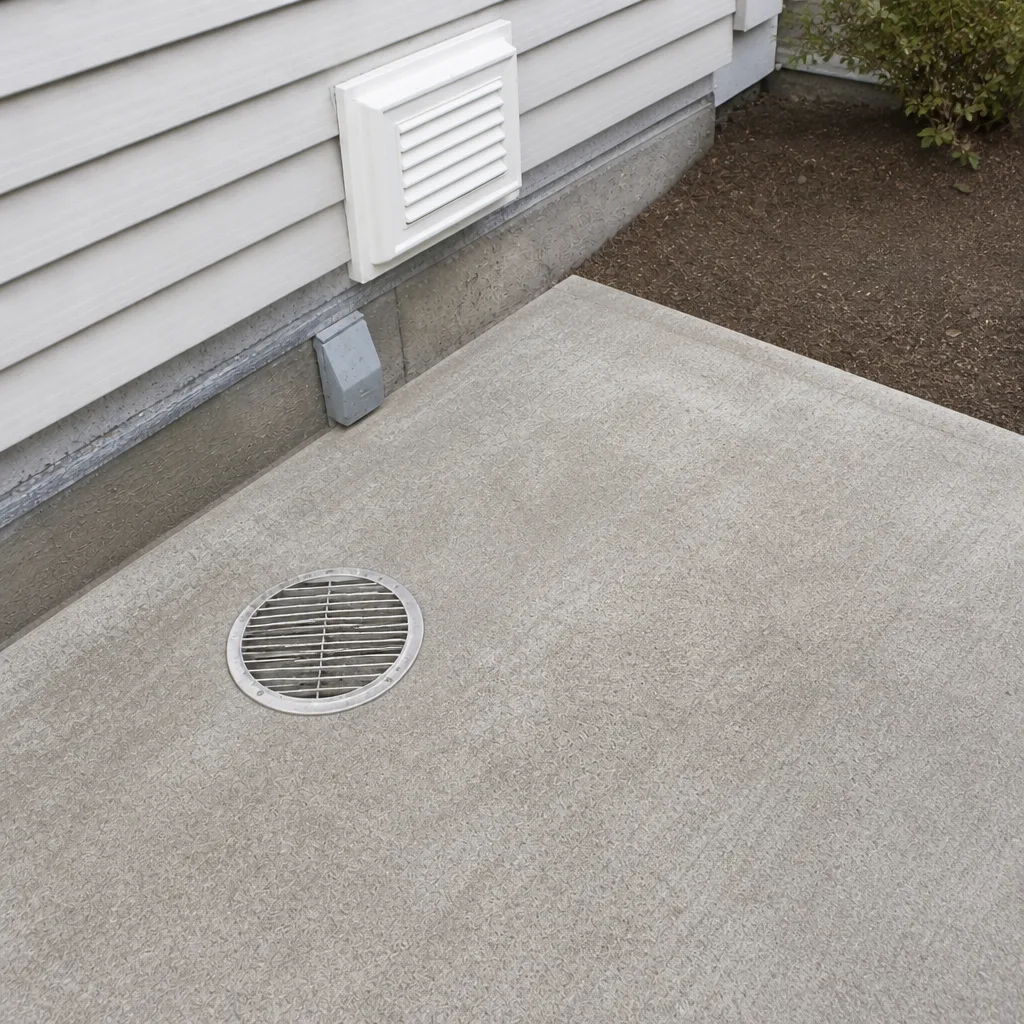
Whole-system duct and dryer vent check with before-and-after photos - you see exactly what came out of your vents
That "$99 whole-house special" is a bait ad - the real number appears once they are in your hallway, or the "clean" is a shop-vac at the register. We photograph the inside of your ducts before and after instead.
Air Duct Cleaning Warning Signs: An Ogden Homeowner’s Reference Guide
Visible dust puffing from a supply register feels like the moment you finally catch the problem. It isn’t. By the time dust is traveling out of the vents where you can see it, your duct walls have been shedding fine particulate into the airstream for months, and what you’re seeing is the late stage of that process, not its start. Most warning-sign articles stop at the obvious list: dust, smell, allergies, uneven airflow. Here we go a step deeper. We explain the mechanical reason behind each sign so you can tell the difference between a cleaning problem, a system design problem, and a problem cleaning alone won’t fix. You’ll finish this Ogden guide knowing what each symptom actually points to.
Styles & brands we work with
- Whole-home duct cleaning
- Dryer vent cleaning
- Camera inspection
- Sanitizing & deodorizing
Quick Answer
The main warning signs that your air ducts need attention are heavy dust at the registers, a musty smell when the HVAC starts, air filters that load far faster than usual, uneven room temperatures, and allergy symptoms that cluster in one room. The key is reading which of those signs point to surface debris, which point to a blockage or a disconnected duct joint, and which point to active moisture intrusion that cleaning alone won’t resolve. Matching the symptom to the cause is what separates a useful inspection from a wasted one.
Table of Contents
- Dust Puffing From Registers: The Late-Stage Sign
- Uneven Temperatures vs. Visible Dust: Two Different Causes
- Filter Loading Rate as Your Early Warning System
- Musty Smell at Startup vs. a Persistent Musty Smell
- Wildfire Smoke Residue: Signs Specific to Ogden Homes
- Allergies in One Room: A Duct Leak Indicator
- How a Proper Duct Inspection Actually Works
- Common Mistakes to Avoid
- When to Call a Professional
- Frequently Asked Questions
- The Bottom Line
Dust Puffing From Registers: The Late-Stage Sign
Dust blowing out of a supply register is surface debris dislodging from the duct wall, not fresh dust being created. Inside a forced-air duct, air moves fast, and fine particles settle on the walls over time wherever the airflow slows near a joint, a bend, or a flex connection. A layer builds up. That layer stays invisible to you until the airflow disturbance around a register is strong enough to knock particles loose, or until a change in the system (a blower speed change, a filter that’s past due, a new restriction) shifts the pressure and starts shedding that settled layer. That’s why visible dust is the last sign, not the first.
In our Ogden work, we see two patterns behind register dust. The first is a true cleaning problem: a genuinely loaded duct system, often one that hasn’t been inspected in a long time or has been run with inadequate filtration. The second is a distribution problem: a duct system where one leg is oversized or unbalanced, so the register closest to the plenum sheds while the far rooms stay still. Cleaning helps the first. It doesn’t fix the second on its own, which is why we always want to know whether the dust is localized or everywhere before recommending a scope of work.
What to check before you call:
- Is the dust only at one or two registers, or at every supply vent in the house?
- Does it appear right when the blower starts, or does it build on surfaces slowly?
- Is the register grille itself dusty, or is dust actually leaving the duct and settling on furniture?
- When was the air filter last changed, and did the last filter come out heavily loaded?
If dust is settling on furniture in more than one room, the system is delivering particulate, not just holding it, and that’s the point where an inspection is worth scheduling.
Uneven Temperatures vs. Visible Dust: Two Different Causes
Uneven room temperatures look like a duct problem and often are, but the cause is completely different from visible dust. Where register dust points to surface debris, a room that won’t heat or cool properly points to restricted airflow: a blockage, a crushed run, a closed damper, an undersized return, or a disconnected duct joint that’s dumping conditioned air into a crawlspace or an attic instead of into the room. Cleaning dust won’t fix a disconnected joint. Sealing and repair will. Confusing the two is one of the most common reasons a homeowner pays for a cleaning that doesn’t solve their complaint.
Here’s how the two symptoms break down in practice:
- Visible dust at multiple registers: usually settled debris lifting off the duct walls – a cleaning issue.
- One room that’s always 4-6 degrees off from the rest: usually a restriction, a crushed flex run, or a disconnected joint – a duct repair and sealing issue.
- Both at once: a loaded system plus a leak or blockage. Both need addressing, and cleaning first then testing is the honest order.
- Cool air smelling like attic or crawlspace air in one room: a strong signal of a disconnected joint pulling unconditioned air in.
Ogden homes on pier-and-beam foundations and homes with long flex runs in the attic are the ones we most often find with a joint that worked loose. The symptom isn’t dust. It’s the room that never keeps up, or the register that feels like a weak breeze instead of a push. If that describes your house, ask for a pressure test before agreeing to any cleaning. A pressure test tells you whether the duct system is leaking, and where. For an overview of how duct repair and sealing fits with cleaning, see our Ogden Air Duct Cleaning Pros home page, where we explain the full air pathway.
Filter Loading Rate as Your Early Warning System
A filter that fills in two weeks instead of the six or eight weeks it used to take is telling you something changed upstream. Filter loading rate is the earliest warning sign a homeowner has, because the filter is the one part of the system that’s designed to catch what the ducts are shedding. When the loading rate accelerates, particulate is reaching the filter faster than before. That can mean the duct system has started shedding a settled layer, the blower is pulling more bypass air around a poorly sealed filter slot, or a new restriction downstream has raised the pressure across the filter. Any of the three deserves a look before the problem compounds.
How to read your filter as a diagnostic tool:
- Note the interval. Track how many weeks between changes and write it down. A stable interval is normal; a shortening interval is a pattern worth acting on.
- Look at the discoloration pattern. Uniform gray-brown loading is normal. Darker patches, streaks, or a filter that’s loaded only on one side point to a specific airflow path or a leak sucking air past the filter frame.
- Check the filter slot. If the filter doesn’t seat cleanly in the frame, unfiltered air is bypassing it. A properly sealed slot forces all the air through the media.
- Compare to your last change. A filter that used to be a two-month item and is now a two-week item is the clearest early warning you’ll get.
The correct response isn’t a thicker filter. A higher-MERV filter in a system not designed for it can raise static pressure and starve the blower. The response is an inspection of the duct system to find out where the extra particulate is coming from, then a plan for filtration that matches your equipment. Honeywell and Aprilaire filtration options make sense when the system can handle them, but the hardware decision comes after the inspection, not before.
Musty Smell at Startup vs. a Persistent Musty Smell
These are two separate problems and they deserve two separate responses. A musty smell that appears only when the HVAC first starts up, then fades after a few minutes, usually points to surface-level organic growth on the evaporator coil, the drain pan, or the plenum, plus dust and moisture sitting undisturbed between cycles. That’s a cleaning problem. A musty smell that never goes away, that’s still there an hour into a run, or that’s stronger in one part of the house, usually points to active moisture intrusion: a leak, a condensation problem, a wet crawlspace, or a duct run that’s sweating in a humid attic. Cleaning removes the microbes. It doesn’t remove the water. Until the moisture source is found, growth returns.
Here’s how to tell which one you have:
- Startup smell that fades: surface growth and dust film – a cleaning and sanitizing scope.
- Smell that returns within days of cleaning: active moisture – find the source before cleaning again.
- Smell strongest in one room: a duct joint pulling in crawlspace or attic air, or a localized wet spot.
- Smell plus visible staining at a register or a coil access: moisture has been present long enough to leave marks; stop and inspect for water before cleaning.
In our experience with Ogden homes, the moisture-intrusion pattern shows up most often where a duct run crosses an unconditioned space, or where a crawlspace stays damp through the shoulder seasons. Mechanical cleaning is the right first step once the source is addressed, and a post-clean sanitizing treatment with Guardsman products is the tool for microbial concerns the vacuum alone can’t resolve. But we’re direct about the order: fix the water, then clean, then treat.
Wildfire Smoke Residue: Signs Specific to Ogden Homes
Wildfire smoke events leave residue in ducts that looks different from ordinary dust, and the difference matters. Ordinary dust is gray-brown and evenly distributed. Smoke residue is often oily, darker, and it clings to the register face and the return grille more heavily than it clings to the duct walls. That’s because smoke carries fine particles and volatile compounds that deposit on the first surface they cool against. In Ogden, where summer smoke events can push fine particulate into outdoor air for extended stretches, that residue can build in a way a filter alone won’t remove. If you smell smoke in the house weeks after the outdoor air has cleared, the residue is in the system, not outside it.
Watch for these signs after a heavy smoke season:
- Oily film on register faces and return grilles that wipes off brown, not gray.
- A smoky odor in the house that persists weeks after the outdoor air clears, especially when the HVAC starts.
- Filter discoloration that’s darker than typical dust loading and skews toward the edges of the media.
- Air that smells faintly of burnt wood in a room with no fireplace or woodstove.
The response is mechanical cleaning with equipment that traps fine particulate rather than venting it. A standard shop vacuum pushed through a register pushes fine smoke residue back into your living space. Abatement Technologies negative-air containment is the step that changes the outcome: the work area is held at negative pressure, so contaminants are captured rather than redistributed. It’s the same protocol used in restoration work, and it’s a step most residential cleaners skip because it requires the equipment. For a deeper look at how we handle the full pathway, see our air duct cleaning page.
Allergies in One Room: A Duct Leak Indicator
Allergy flare-ups that cluster in one room and skip the rest of the house are a leak indicator, not just a general air quality problem. If one room has worse symptoms than the others, the most likely explanation is that a duct serving that room is drawing air from somewhere it shouldn’t: a crawlspace, an attic, a wall cavity, or a return that’s pulling from a damp zone. That air carries whatever’s in that space, and the room gets a concentrated dose. Cleaning the ducts without finding the leak makes the room better for a few weeks, then the same contamination paths back in through the same gap.
A pressure test is what confirms the diagnosis. The technician seals the duct system, pressurizes it, and measures how much air escapes. If one leg shows a large leak, the test pinpoints it. That test is how you tell the difference between “this room needs better filtration” and “this room’s duct is drawing from a place that should never feed a supply register.” It’s also the test that tells you whether cleaning, sealing, or a redesign is the honest recommendation.
Signs that a leak is behind one-room allergies:
- Symptoms worse in one room across seasons, not just during pollen season.
- The room’s register has weaker airflow than the rest, or its return is undersized.
- Air from the register smells faintly of crawlspace or attic.
- The room sits at the end of a long duct run, or over a garage or unconditioned space.
Ogden homes with long runs over unconditioned spaces are the ones where this shows up most. It’s also worth checking the return side. A return that pulls from a mechanical closet or a garage wall assembly can deliver contamination to one room, then the leak path isn’t obvious from the supply side at all. For related reading, our HVAC cleaning page covers how the equipment side factors into this.
How a Proper Duct Inspection Actually Works
A good inspection answers three questions before any cleaning is scheduled: what’s in the ducts, how did it get there, and what will remove it for good. The order matters. If a technician quotes a cleaning price without inspecting, they’re guessing about the scope, and that guess is where bait-and-switch pricing starts. Here’s what a proper inspection involves.
- Visual check of the accessible system. Every supply register and return grille gets opened. The technician looks at the duct interior where visible, the plenum, the evaporator coil access, and the filter slot. Photos document what’s found.
- Moisture check. The coil, drain pan, and any duct run through an unconditioned space get checked for moisture or staining. If water is present, cleaning stops here until the source is addressed.
- Airflow and static pressure measurement. The technician measures pressure at key points and checks that supply and return are balanced. This is where uneven temperatures and single-room problems get sorted from cleaning issues.
- Leak assessment. If the measurements suggest a leak, or if the symptoms point to one room, a pressure test confirms it. The test result tells you which repair the system actually needs.
- Written scope and a flat price per system. You get a document that says what will be cleaned, what will be repaired, and what the total is. One flat price per system, agreed before work starts. No per-vent pricing, no surprise line items.
We do this inspection with the equipment we’ll use for the work: Rotobrush rotary-brush agitation to dislodge what’s bonded to the duct walls, Nikro HEPA extraction to trap what comes loose, and Abatement Technologies negative-air containment for jobs with microbial or smoke concerns. The point of an inspection isn’t to sell the cleaning. It’s to make sure the cleaning is the right answer for what the inspection found.
Common Mistakes to Avoid
- Waiting for visible dust before acting. Dust at the register is the late-stage sign. Filter loading rates, musty smells at startup, and single-room allergy patterns are earlier and more actionable.
- Assuming uneven temperatures equal dirty ducts. Uneven temperatures usually mean a restriction, a crushed run, or a disconnected joint. Cleaning won’t fix any of those, and a quote that skips a pressure test is a quote that hasn’t done its homework.
- Cleaning before finding the moisture source. If the musty smell returns within days of a cleaning in an Ogden home, the problem was never the duct. It’s water. Cleaning a wet system without addressing the source wastes the cleaning.
- Skipping containment on smoke or mold jobs. A shop vacuum without negative-air containment pushes fine residue back into living space. That’s not a clean, it’s a redistribution.
- Upgrading the filter instead of inspecting the duct. A thicker filter in a system not built for it raises static pressure and can starve the blower. Fix the source of the extra particulate first, then choose filtration that fits the equipment.
- Accepting a per-vent price. Per-vent pricing is how a low coupon price becomes a much larger invoice once the technician is on site. Ask for one flat price per system, agreed in writing before anything starts.
- Not asking for before-and-after photos of your own ducts. Photos are the difference between trusting the work was done and hoping it was done. Any honest provider documents the work.
When to Call a Professional
Some signs are fine to watch for a while. Others aren’t. Call when a filter is loading in a fraction of its usual interval, when a musty smell persists after a cleaning, when one room’s allergies or temperature swing is consistent across seasons, when oily smoke residue is on the registers after a fire season, or when you’ve never had the system inspected. Those are the cases where an inspection finds something specific and a plan follows. If dust is settling on furniture across multiple rooms, call before you decide on a thicker filter. Ogden Air Duct Cleaning Pros offers free estimates in Ogden. Call (844) 564-2864. We answer 24/7, with fast dispatch from 7am to 7pm, Sunday through Friday. You’ll get a written scope and before-and-after photos of your own ducts, and the local pro we connect you with is licensed and insured as their state requires.
Frequently Asked Questions
Cost depends on system size, duct layout, and the scope found in the inspection, which is why we set one flat price per system after the inspection instead of quoting per vent. Beware any quote that gives a number before looking at your system: those numbers tend to move once the technician is on site. The written estimate sets the final price. Call (844) 564-2864 for an exact quote – estimates are free.
Cheap quotes usually leave out the parts that make cleaning work: containment, HEPA extraction, agitation of the duct walls, and the post-clean inspection. A per-vent price looks low until the technician arrives and adds line items. Ask any provider what equipment they use and whether they run negative-air containment. If those questions have no clear answer, the low quote is the sales pitch, not the price. Call (844) 564-2864 to compare against a written scope.
Ask for before-and-after photos of your own ducts, not stock images, and ask to see the containment setup when the technician arrives. A provider who uses rotary-brush agitation with HEPA extraction has equipment that’s obvious on site. If the photos don’t show your system, you have no evidence the work happened. We document every job with photos of your ducts. Call (844) 564-2864 to see what that looks like.
There’s no fixed interval that fits every home, and articles that cite a number are guessing. The honest answer is that the interval depends on filtration, pets, renovations, how often the system runs, and whether the home has been through smoke events. For most Ogden homes, a check every few years, or after a renovation or a heavy fire season, catches problems before they compound. If you’re unsure, a free estimate tells you where you stand. Call (844) 564-2864.
Yes, it can. Smoke residue is oily and fine, and it deposits on duct walls and register faces in a way that a filter can’t fully capture. A persistent smoky odor weeks after the outdoor air clears is the sign that residue is still in the system. Removing it requires mechanical agitation with containment. Call (844) 564-2864 for a free estimate if you’re still smelling smoke indoors.
A single-room pattern usually points to a duct leak pulling air from a crawlspace, attic, or cavity that should never feed a supply register. Cleaning alone won’t fix it; a pressure test is what pinpoints the leak. Once it’s sealed, cleaning the system resolves the source. Call (844) 564-2864 to schedule the inspection that includes a pressure test – estimates are free.
The Bottom Line
Duct problems don’t announce themselves with the same sign, and the symptom you notice is rarely the cause you need to fix. Visible dust at the registers is a late-stage signal. Fast filter loading is an early one. Uneven temperatures point to a restriction or a leak, not to surface debris. A musty smell that returns after cleaning points to water. Allergies in one room point to a leak pulling from the wrong space. Read the sign, match it to the cause, and get an inspection before you agree to any scope of work. If you’re seeing any of these in your Ogden home, an honest inspection is the cheapest next step. Call (844) 564-2864 for a free estimate. We answer 24/7, with fast dispatch from 7am to 7pm, Sunday through Friday. Our technicians have up to 15 years of experience, and the work is documented with before-and-after photos of your own ducts.
Written by the team at Ogden Air Duct Cleaning Pros.
See the difference
 Before
 After
 Before
 After
 Before
 After