
Last updated November 25, 2026
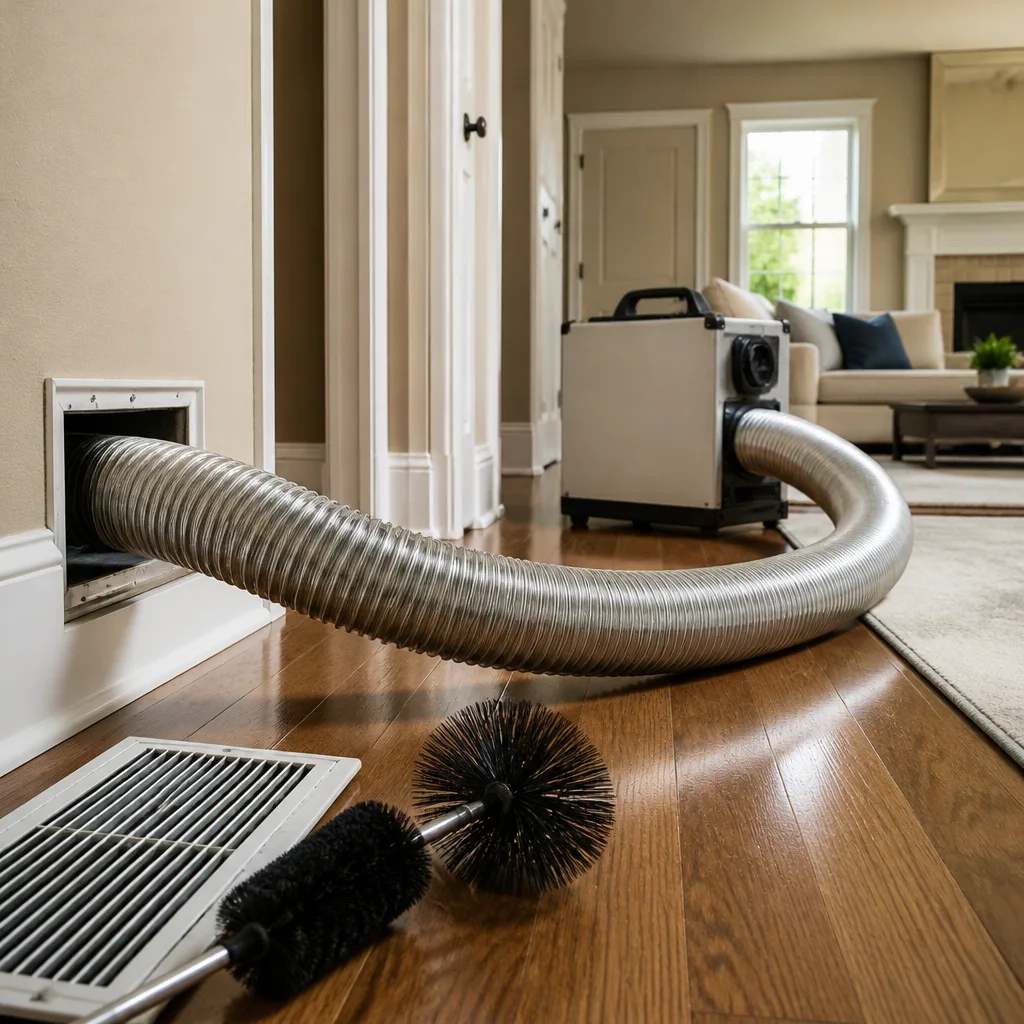 Whole-home duct cleaning
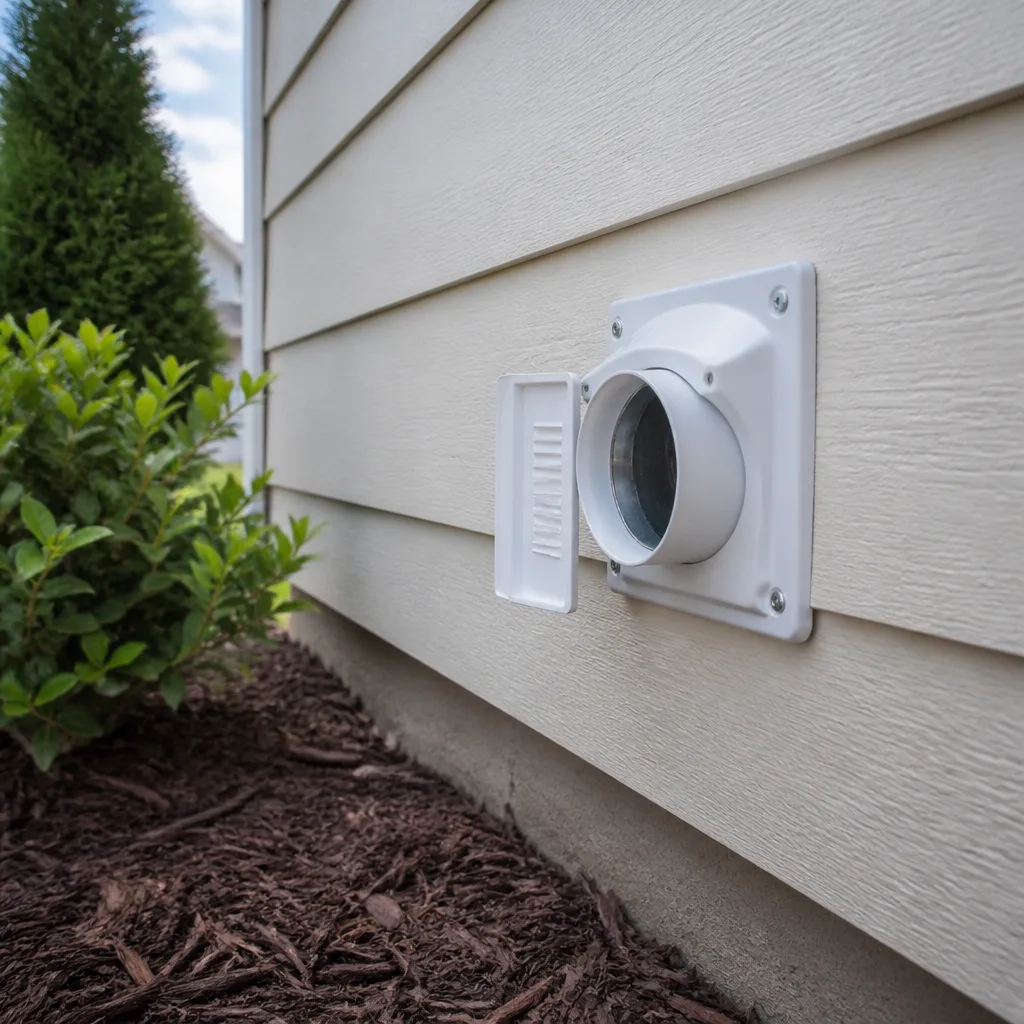 Dryer vent cleaning
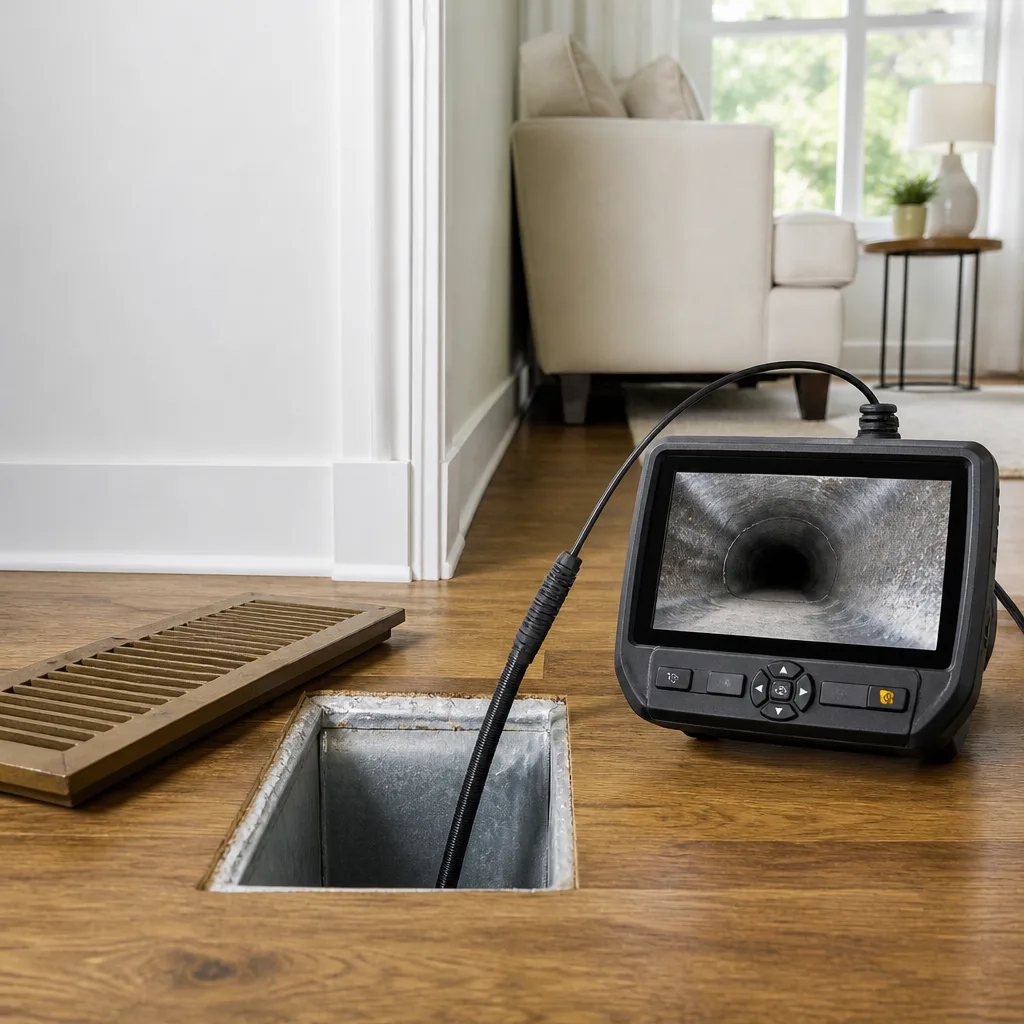 Camera inspection
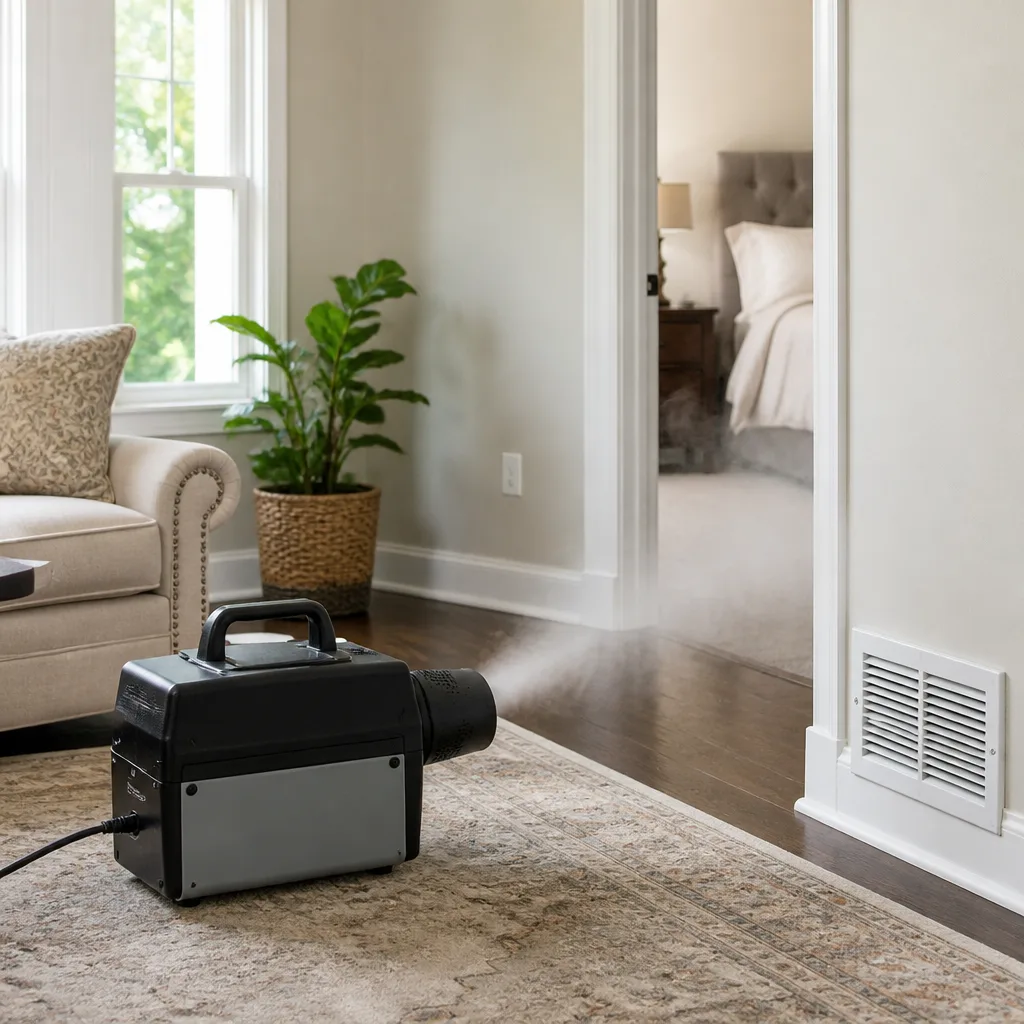 Sanitizing & deodorizing
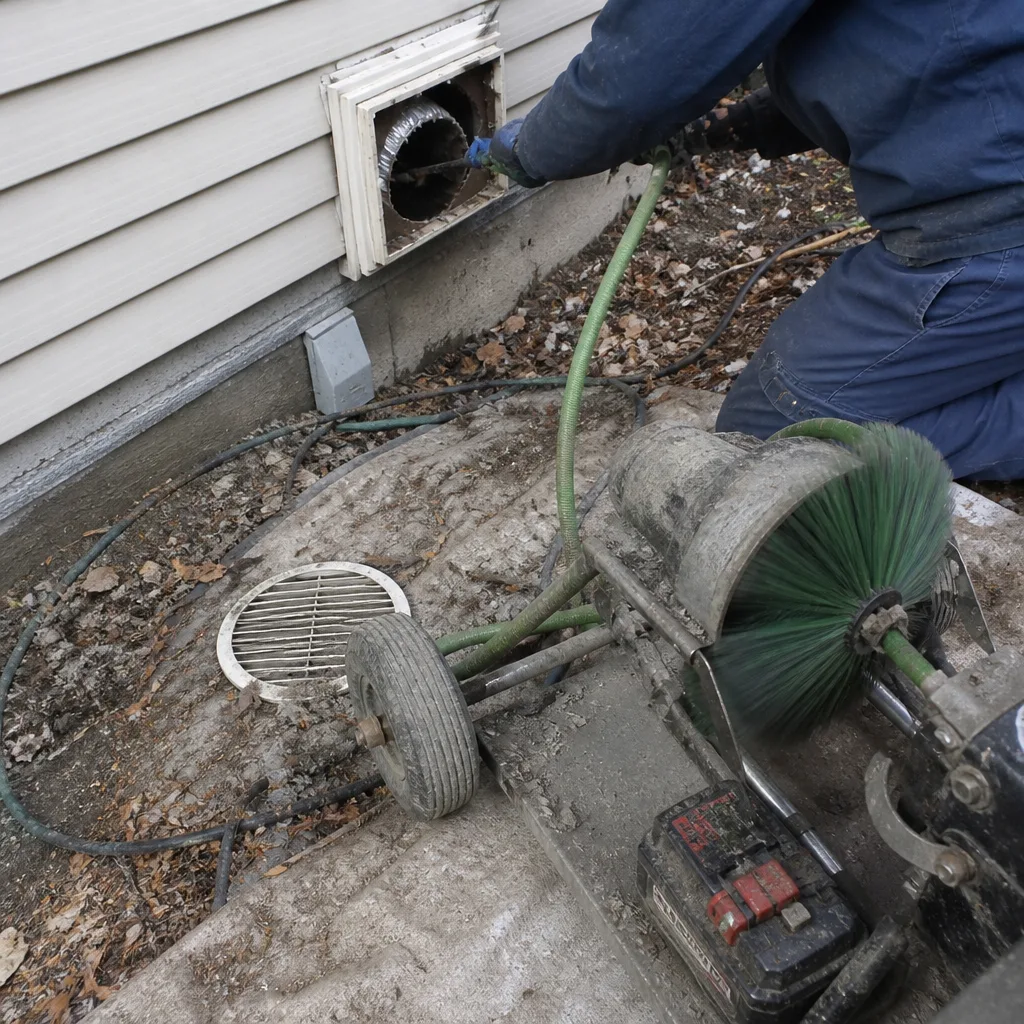
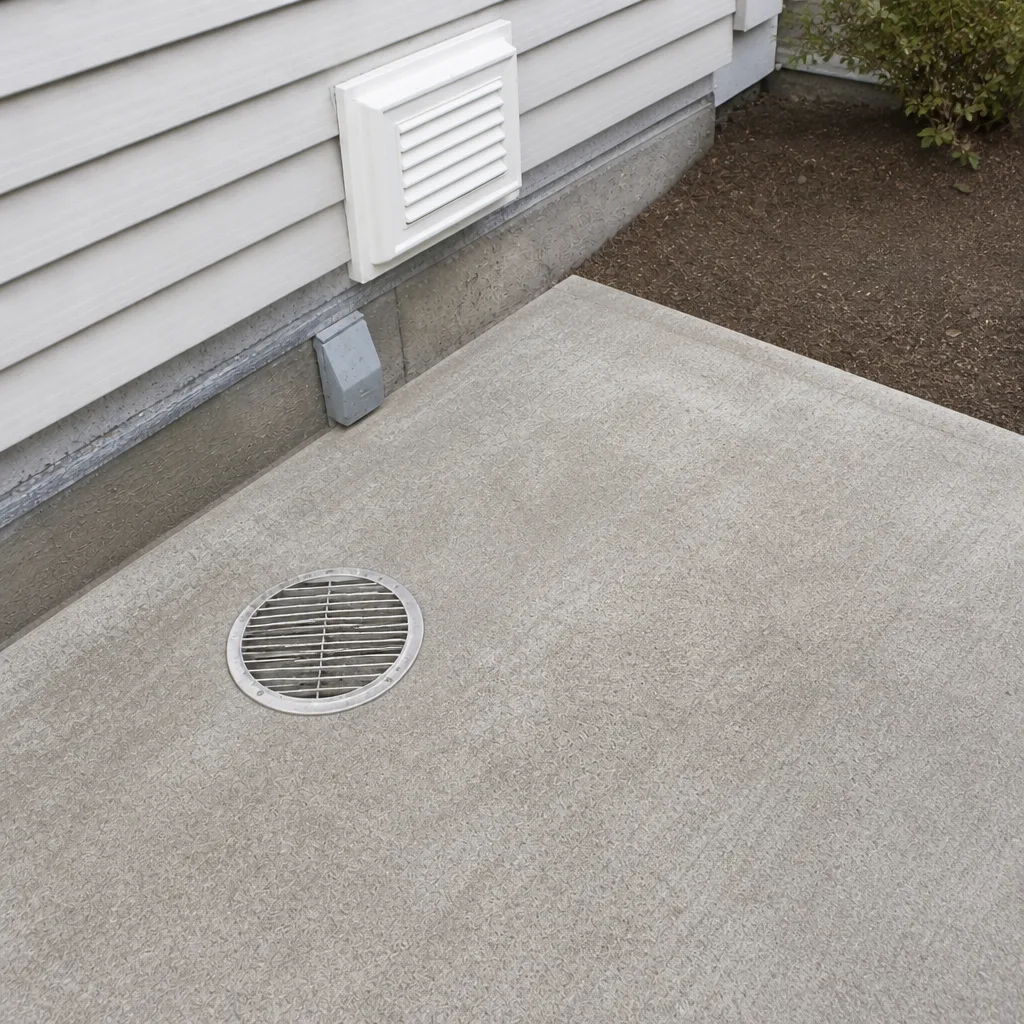
Whole-system duct and dryer vent check with before-and-after photos - you see exactly what came out of your vents
That "$99 whole-house special" is a bait ad - the real number appears once they are in your hallway, or the "clean" is a shop-vac at the register. We photograph the inside of your ducts before and after instead.
The Complete Guide to Air Duct Cleaning in Ogden
Most people assume duct cleaning means vacuuming the vents they can see. That’s the smallest part of the job. The air in your home moves through a connected pathway – return grilles, return ducts, the blower cabinet, the evaporator coil, the supply plenum, branch runs, and the registers in each room – and cleaning only one segment leaves the rest of that pathway to feed the problem back in. This guide explains how a full-system clean actually works in Ogden, what equipment separates a real clean from a surface pass, and what to inspect before and after. You’ll finish knowing exactly what to ask for.
Quick Answer
Air duct cleaning in Ogden means mechanically agitating and extracting debris from the entire air pathway – supply and return ducts, plenum, coil, and registers – using rotary-brush tools and HEPA-rated negative-pressure equipment. A duct-only vacuuming of visible vents is not a full-system clean and won’t fix recurring odors or uneven airflow. The right process captures contaminants instead of redistributing them into your living space.
Styles & brands we work with
- Whole-home duct cleaning
- Dryer vent cleaning
- Camera inspection
- Sanitizing & deodorizing
Table of Contents
- Why Ogden’s Inversions Make Duct Cleanliness Matter More
- Full-System Clean vs. Duct-Only: What Gets Skipped
- The Equipment That Actually Extracts Debris
- What to Inspect Before, During, and After Cleaning
- When Sanitization Is Needed (and When It Isn’t)
- A Step-by-Step Walk-Through of a Professional Clean
- What Air Duct Cleaning Costs in Ogden
- How Often Ducts Really Need Cleaning
Why Ogden’s Inversions Make Duct Cleanliness Matter More
Ogden sits in a valley along the Wasatch Front, and in winter that geography works against air quality. Cold air settles in the valley floor while warmer air sits above it, creating a temperature inversion that traps particulate matter close to the ground for days at a time. During an inversion, the outdoor air itself carries elevated fine particulate, and that trapped pollution doesn’t stay outside. It seeps into homes through gaps, doors, and fresh-air intakes, then gets pulled into the HVAC return and recirculated through the same ductwork over and over.
This is the piece most homeowners miss. A duct system in a mild coastal climate has a different job than one in an inversion valley. Here, your ducts are cycling air that’s already loaded with trapped particulate, and any debris lining the duct walls – settled dust, skin cells, pet dander, construction residue from older remodels – adds to what’s already circulating. The consequence is that a dirty system in Ogden doesn’t just underperform; it compounds the outdoor air quality problem inside your home.
The neighborhoods tell the story too. Older housing stock in areas like the East Bench and the neighborhoods near downtown Ogden often still has original sheet-metal ductwork with years of accumulated buildup and seams that have loosened over time. Newer construction on the city’s outer edges tends to use flexible duct, which can sag and collect debris at low points. Both types benefit from a full-system inspection and clean, but for different reasons.
- Inversion season (roughly December through February): outdoor particulate is trapped near the ground, so a clean duct system is doing more work, not less.
- Older homes: sheet-metal seams and joints loosen, letting debris-laden air escape into wall cavities or attic space.
- Newer homes: flex duct can sag or crush, reducing flow and creating collection pockets.
- High pet or allergy households: dander and fine dust load the return side first, so a return-only clean misses most of the surface area.
This is why we treat the duct system as a connected pathway rather than a set of isolated parts. Clean one segment in isolation and the rest keeps feeding the problem. A full-system approach is the only way to break that cycle.
Full-System Clean vs. Duct-Only: What Gets Skipped
A full-system clean treats every surface air touches on its way from your return grille back out to your rooms. A duct-only job treats the branch runs and calls it done. The gap between the two is where most air quality problems live.
Here’s what a complete clean covers, in order along the pathway:
- Return grilles and registers. Debris collects on the return side first because that’s where air enters the system. These need to come off and be cleaned, not just wiped.
- Return ducts. Often the dirtiest segment because it pulls in unfiltered air from living space. Rotary-brush agitation is the only way to dislodge debris that’s bonded to the duct wall.
- Blower cabinet and fan. Dust builds on the blower wheel and housing, reducing airflow and forcing the system to work harder.
- Evaporator coil. This is the single most-skipped component in budget cleaning. A dirty coil reduces cooling efficiency, holds moisture, and becomes a breeding surface for microbial growth.
- Supply plenum. The trunk where air leaves the air handler. It carries the highest velocity and picks up debris on the way out.
- Supply branch runs and registers. The visible vents most people think of as “duct cleaning.”
- Drain pan. Condensate pans collect standing water and biofilm. Ignoring the pan leaves a persistent musty odor no duct vacuum can fix.
What a duct-only job typically skips is exactly the components that cause recurring problems: the coil, the plenum, the blower, and the drain pan. If you’ve had your ducts “cleaned” and the musty smell returned within a year, that’s usually why. The pathway was never fully addressed. We clean the entire air pathway – not just the vents you can see – because that’s the only way to stop the problem from coming back.
For a deeper dive on the cleaning side, see our air duct cleaning service page, which breaks down the process step by step.
The Equipment That Actually Extracts Debris
Not all duct vacuums are created equal, and the difference comes down to airflow – the CFM (cubic feet per minute) rating that determines how much air, and how much suspended debris, the machine can move and filter. Consumer-grade shop vacuums and the small units some entry-level cleaners carry sit well below the airflow needed to lift settled debris off duct walls and trap it in a HEPA filter. Professional equipment does two things at once: it agitates debris loose and it extracts it under enough negative pressure that it doesn’t settle back or leak into the room.
The standard we use combines three pieces of machinery:
- Rotobrush rotary-brush systems – the professional standard for agitating and dislodging built-up debris from duct walls. The spinning brush contacts the duct surface directly, which is essential because most debris is bonded, not loose.
- Nikro HEPA-rated vacuums – the extraction side. High-CFM HEPA filtration ensures extracted contaminants are trapped in the machine, not vented back into living space. This is the piece most budget operators skip, and it’s why cheap cleaning can actually worsen indoor air temporarily.
- Abatement Technologies negative-air containment equipment – commercial-grade capability that maintains negative pressure in the work area during cleaning, so contaminants are captured rather than redistributed. The same protocol used in restoration work, applied to residential jobs.
The agitation-extraction pairing matters more than any single machine. A brush alone knocks debris loose; a vacuum alone can’t dislodge it from the wall. You need both, running together, with the vacuum strong enough to catch what the brush releases. That’s the standard behind the phrase “sealed-system cleaning – contaminants out, not redistributed.”
For households with a separate concern – the dryer vent, which is a high-volume fire risk and a common source of lint buildup – the same professional-grade approach applies. You can read more on our dryer vent cleaning page. HVAC-side cleaning, including coils and blowers, is covered in our HVAC cleaning service.
What to Inspect Before, During, and After Cleaning
A verifiable clean is an inspectable one. If a contractor won’t show you what they’re doing, that’s a signal worth heeding. Here’s what a documented process looks like, stage by stage.
Before cleaning
- Access panel placement. The technician cuts or opens access at strategic points – usually near the plenum, at the air handler, and at the far end of branch runs – so the full length of each duct can be brushed and inspected, not just the near end.
- Visual inspection with a camera scope. A scope dropped into the duct shows what’s actually on the walls, at the seams, and around the coil. Photos of this stage establish the starting condition.
- Baseline airflow and static pressure readings. These give an objective number to compare against after cleaning, rather than a subjective “feels better.”
During cleaning
Negative-air containment should be in place before the brush starts running. If it isn’t, dust will migrate into adjacent rooms. The agitation and extraction should be running simultaneously along the pathway, not one full pass of brushing followed by a separate vacuuming.
After cleaning
- Camera-scope verification. A second scope pass confirms the walls are clean and reveals any damaged or disconnected sections the first pass couldn’t reach.
- Post-clean airflow comparison. Static pressure and airflow readings compared to the baseline show objectively whether the system is moving more air.
- Before-and-after photos of your own ducts. Not stock images – documentation of your actual system. This is what makes a clean verifiable instead of a claim.
If you’re comparing providers, ask specifically for camera-scope verification and before-and-after photos of the actual system. A provider who does both has nothing to hide. Ogden Air Duct Cleaning Pros is built around that standard. You can see the full range of what we do at Ogden Air Duct Cleaning Pros.
When Sanitization Is Needed (and When It Isn’t)
Mechanical cleaning addresses debris and dust. It does not – and cannot – address microbial growth, active mold spores, or persistent organic odors. That’s a separate problem, and it requires a separate treatment. The key point is sequence: sanitization comes after mechanical cleaning, never instead of it.
Signs that a home may need sanitizing in addition to cleaning:
- Musty or mildew odor that returns shortly after cleaning, especially near the return grilles or the air handler
- Visible dark spotting on the coil, in the plenum, or on duct walls (visible on a camera scope, not the inside of a register)
- Standing water or biofilm in the drain pan, which almost always means an organic source is present
- Recent water intrusion into a wall cavity or attic space that shares ductwork
- Allergy or asthma symptoms that flare when the system runs, especially during high-particulate inversion periods
For microbial concerns, we use Guardsman-based sanitizing treatments applied post-clean. The treatment addresses mold, bacteria, and odor at the source – but only after mechanical cleaning has removed the debris they were growing on. Sanitizing a dirty duct just kills surface organisms while leaving the food source behind, and the problem returns.
We generally recommend that homeowners ask for a scope inspection before committing to sanitizing. If the interior surfaces are clean after mechanical work, sanitizing is unnecessary. If the scope shows growth, it’s the right call. An honest provider will tell you which case you’re in.
A Step-by-Step Walk-Through of a Professional Clean
Every complete clean follows the same sequence, whether the home is a single-story bungalow near downtown Ogden or a larger property out toward the foothills. What changes is the time required, access strategy, and equipment configuration – not the fundamentals.
- System walk-through and access setup. Confirm the layout, identify all returns and supplies, and open access panels at the strategic points needed to reach the full duct run.
- Containment placement. Negative-air equipment goes in before any brush starts running, holding the work area at negative pressure so released debris can’t migrate.
- Return-side agitation and extraction. Rotary brush runs the length of each return run while the HEPA vacuum extracts. Returns come first because they feed everything downstream.
- Air handler, blower, and coil. These are cleaned in place with the equipment configured for the specific component. Coil cleaning usually requires a separate approach from duct cleaning because the fin surface traps debris differently.
- Supply plenum and branch runs. Same agitation-extraction pairing, run from the plenum out toward each room’s register.
- Register and grille cleaning. Registers come down, get cleaned separately, and go back on. Grilles aren’t cleaned in place – that just pushes debris back into the duct.
- Drain pan service. The pan is cleaned and checked for standing water, which points to a drainage issue that needs separate attention.
- Post-clean scope verification and airflow comparison. Camera pass and airflow readings confirm the results. Photos are taken for your records.
- Optional sanitizing treatment. If inspection shows microbial growth, a Guardsman-based treatment is applied now – after mechanical cleaning, not as a substitute.
A duct system isn’t a collection of pipes – it’s a managed air path with a specific order of operations. Following that order is what makes the clean durable instead of cosmetic. For rental property managers, that same sequence produces the documentation a tenant concern requires: pre-clean scope photos, post-clean scope photos, and airflow readings.
When ductwork itself is compromised – separated seams, crushed flex runs, disconnected joints – cleaning alone won’t fix the airflow. The pathway has to be repaired and sealed before it can move air properly. We fold that into the service when the scope reveals it. The company handles five distinct service categories – air duct cleaning, dryer vent cleaning, HVAC cleaning, duct repair and sealing, and air quality and sanitizing – so a single visit can address the full path rather than handing you off to a different contractor for each piece.
What Air Duct Cleaning Costs in Ogden
Air duct cleaning in the Ogden area typically falls into whole-system ranges, priced per job by a written estimate rather than by the vent. That structure matters because per-vent pricing encourages a low headline number that climbs once the technician is on site. A written estimate for the actual system – number of runs, system size, whether a coil or drain pan needs separate attention – is the honest way to price it.
- Standard whole-system clean (supply, return, plenum, registers, blower): priced per job, not per vent
- Full-system clean with coil and drain pan: priced per job by estimate after inspection
- Duct repair and sealing, if the scope reveals compromised sections: priced per job by estimate
- Post-clean sanitizing with Guardsman-based treatment: priced per job by estimate, and only when scope inspection justifies it
We don’t publish a per-vent price and we don’t use teaser coupons. The estimate is free, the price is set per job in writing before work starts, and the written estimate is the final number. If the scope reveals a problem the estimate didn’t anticipate, that gets explained and priced before we proceed – not added to an invoice after the fact.
The “why are some quotes so much cheaper?” question deserves a straight answer. A low quote is usually a duct-only vacuuming of the accessible branch runs, without the coil, plenum, blower, or drain pan. It’s a smaller job, which is why it costs less. That’s fine as a scope choice, but it’s worth knowing what you’re buying. The real cost of a cheap clean isn’t the invoice – it’s the second clean you end up paying for when the problem returns.
How Often Ducts Really Need Cleaning
There’s no universal schedule, and any provider who quotes one without inspecting your system is guessing. The honest answer is that frequency depends on the home, the occupants, and the local air. That said, several conditions make cleaning worthwhile in Ogden specifically.
The factors that push toward more frequent cleaning include:
- Pets in the home, especially more than one, load the return side quickly with dander.
- Recent remodeling or construction in or near the home – drywall dust and sawdust travel everywhere and settle in ducts.
- New-to-you home where the previous owner’s maintenance history is unknown. A scope inspection answers the question in minutes.
- Allergy or asthma symptoms that spike during inversion season, when outdoor particulate is trapped and the system is recirculating it.
- Visible mold, persistent musty odor, or a wet drain pan – these are reasons to inspect immediately, not on a schedule.
- Unusually high dust on horizontal surfaces that returns shortly after cleaning something else.
The key discipline is inspection-led timing. A camera scope reveals the actual condition of the ducts, and if the interior surfaces are still clean, you don’t need cleaning yet – regardless of what a coupon in the mail says. If the surfaces show heavy loading, especially on the return side or around the coil, cleaning is worth doing now. We recommend starting with the scope, not the schedule.
For homes in Ogden’s older neighborhoods with original sheet-metal ductwork, the bigger concern over time is often seams and joints rather than buildup alone. Cleaning reveals whether the duct run is still sealed. If it isn’t, addressing that gap matters more to your air quality than any amount of vacuuming.
Common Mistakes to Avoid
- Booking a duct-only clean and expecting full-system results. If the coil, plenum, blower, and drain pan aren’t part of the scope, the problems they cause will persist. Ask specifically what’s covered before you book.
- Choosing on price alone. The cheapest quote is usually the smallest scope. A provider quoting a headline number without inspecting your system first – especially without a scope – is quoting a guess. Get the scope, then the estimate.
- Skipping the camera scope. No scope means no verification. It also means the provider can’t tell you whether you actually needed cleaning in the first place. A provider who inspects first is one worth listening to.
- Accepting sanitizing as a first step instead of a follow-up. Sanitizing a dirty duct treats the symptom without removing the food source. Mechanical cleaning first, then sanitizing if the scope justifies it.
- Ignoring the drain pan. A pan with standing water is often the actual source of a musty smell attributed to the ducts. Cleaning ducts without addressing the pan leaves the odor.
- No before-and-after documentation. In a home with a tenant concern or an upcoming sale, the paperwork matters as much as the work. Ask for photos of your own system before and after.
- Assuming a clean means sealed. Cleaning reveals disconnected or crushed duct sections; it doesn’t repair them. If the scope shows gaps, plan for duct repair and sealing as the next step.
See the difference
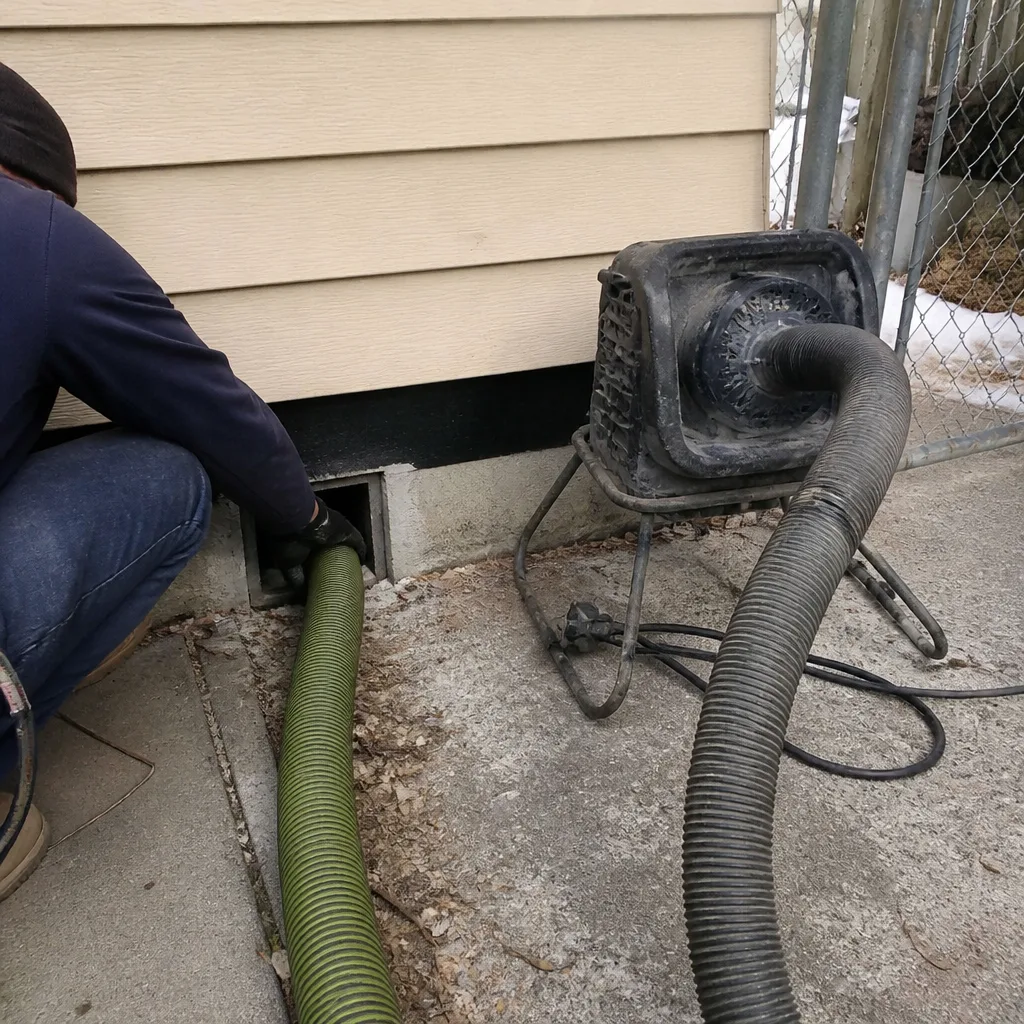 Before
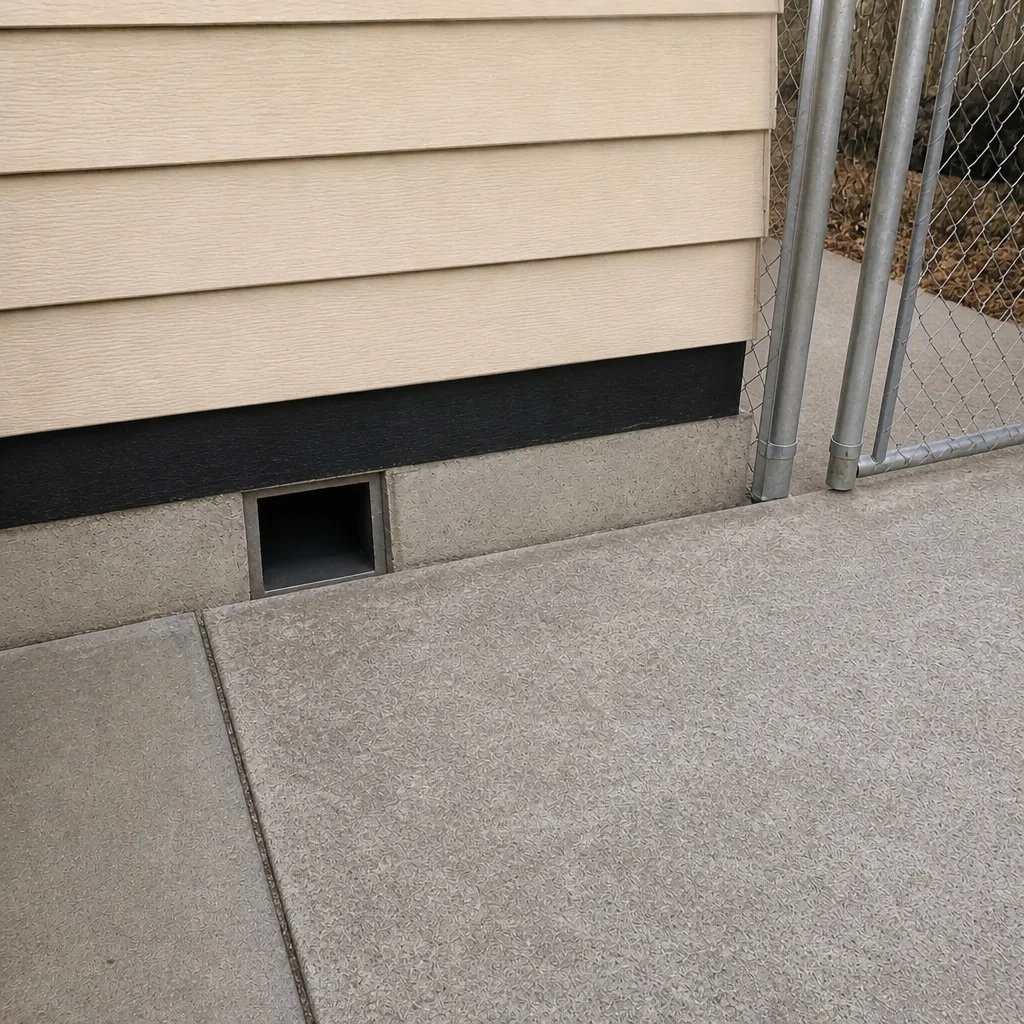 After
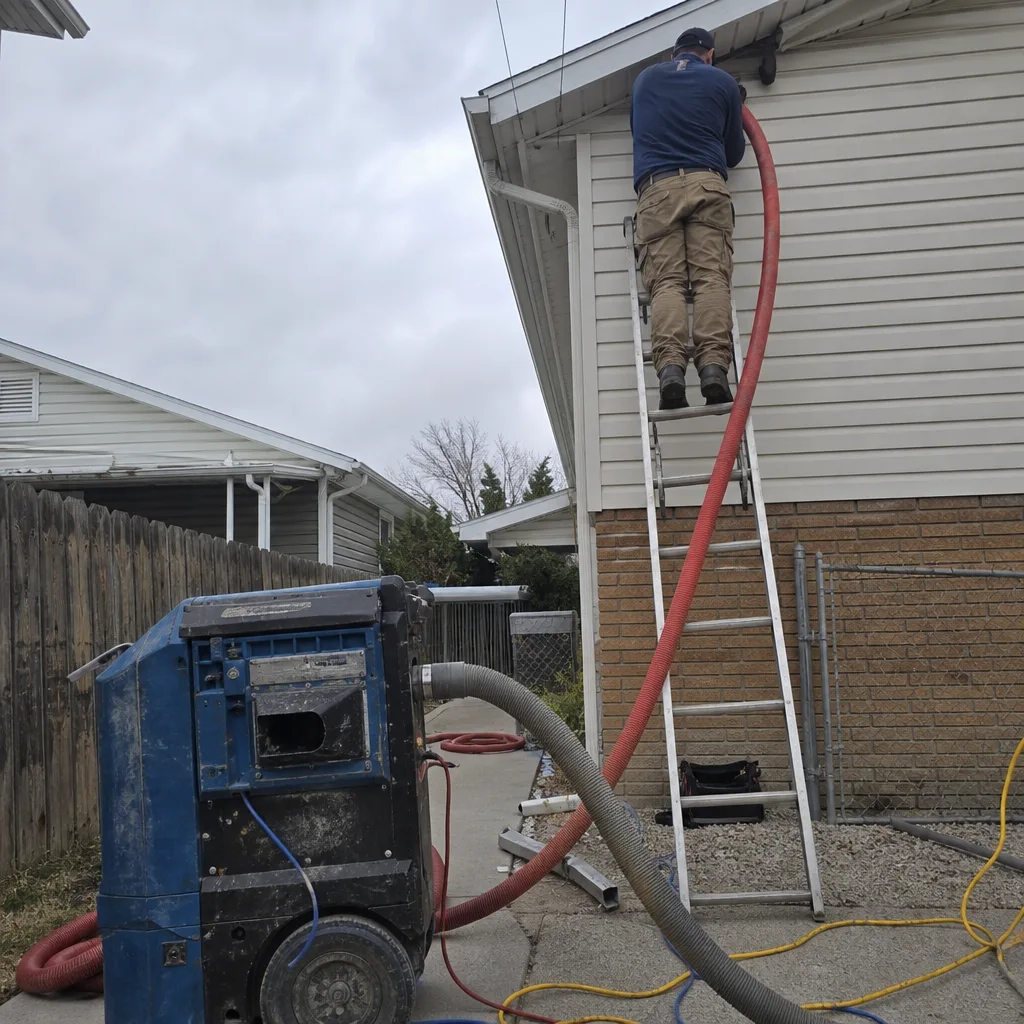 Before
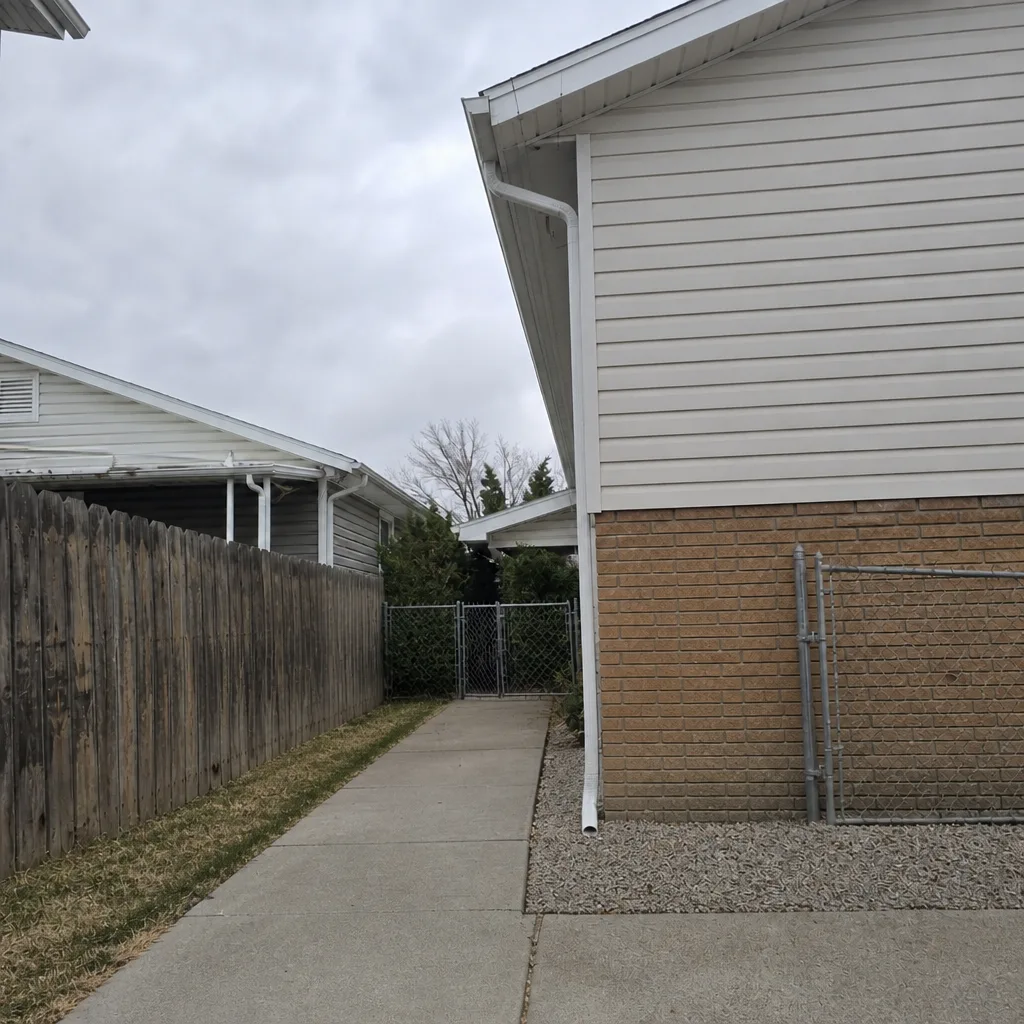 After
 Before
 After
When to Call a Professional
Some situations clearly call for a professional inspection rather than a wait. Persistent musty odors that return after cleaning, visible mold on the camera scope, standing water in the drain pan, a dryer vent that’s never been checked, or a dryers that takes longer than it used to all point to a pathway problem a trained technician needs to diagnose. The same goes for allergy symptoms that spike when the system runs, or a recently purchased home where the previous owner’s duct maintenance is unknown. If ductwork itself is compromised, or a system in an older Ogden home is showing signs of loose seams, that’s a professional scope and repair rather than a DIY cleanup. Ogden Air Duct Cleaning Pros offers free estimates in Ogden – call (844) 564-2864.
Frequently Asked Questions
Air duct cleaning in Ogden is priced per whole system, not per vent, and the written estimate sets the final number. Ranges vary with system size, number of runs, and whether the coil and drain pan are part of the scope. Call (844) 564-2864 for an exact quote – estimates are free.
Cheap quotes are usually duct-only jobs – the accessible branch runs without the coil, plenum, blower, or drain pan. That’s a smaller scope, so it costs less. The risk is paying twice when the skipped components feed the problem back. Call (844) 564-2864 to see a full-system estimate – estimates are free.
You know because you see it: camera-scope photos of your own ducts before and after, plus airflow readings compared against a baseline taken before cleaning. Ask any provider for those specific pieces of documentation. Call (844) 564-2864 to book a clean with documented before-and-after photos – estimates are free.
Not on a fixed schedule – it needs doing when a scope inspection shows heavy loading, or when pets, remodeling, water intrusion, or allergy symptoms point to a real problem. In Ogden’s inversion season, a dirty system compounds the outdoor particulate problem. Call (844) 564-2864 to schedule an inspection – estimates are free.
Only if inspection shows microbial growth, persistent musty odor, or a wet drain pan – and only after mechanical cleaning, never instead of it. Sanitizing a dirty duct leaves the food source behind. Call (844) 564-2864 to have the system scoped – estimates are free.
The pathway is the point. Supply, return, plenum, coil, blower, drain pan, and registers all handle air on its way to you. Cleaning one segment leaves the others feeding the problem back. Call (844) 564-2864 for a full-pathway estimate – estimates are free.
Both are part of the same air quality picture. Dryer vents are a fire-safety concern and a common lint trap; coils and blowers load up with dust that reduces efficiency. We handle both under the same service relationship. Call (844) 564-2864 – estimates are free.
Yes. For rental properties with tenant air-quality concerns, the deliverable is documentation: pre-clean scope photos, post-clean scope photos, and airflow readings in a form you can hand to a tenant or owner. Call (844) 564-2864 to discuss the scope – estimates are free.
The Bottom Line
Air duct cleaning works when it treats the whole air pathway – not just the vents you can see. In Ogden, that matters more than in milder climates because winter inversions trap particulate near the ground and a dirty system recirculates what’s already been trapped indoors. The professional standard combines rotary-brush agitation with HEPA extraction under negative-air containment, produces camera-scope verification and before-and-after photos, and prices the job per system in writing rather than per vent. Sanitizing comes after mechanical cleaning, only when the scope justifies it. Start with an inspection, not a coupon. The scope tells you what you actually need.
Call Ogden Air Duct Cleaning Pros at (844) 564-2864 for a free estimate. We answer 24/7. Fast dispatch from 7am to 7pm, Sunday through Friday.
Written by the team at Ogden Air Duct Cleaning Pros.