
Last updated November 25, 2026
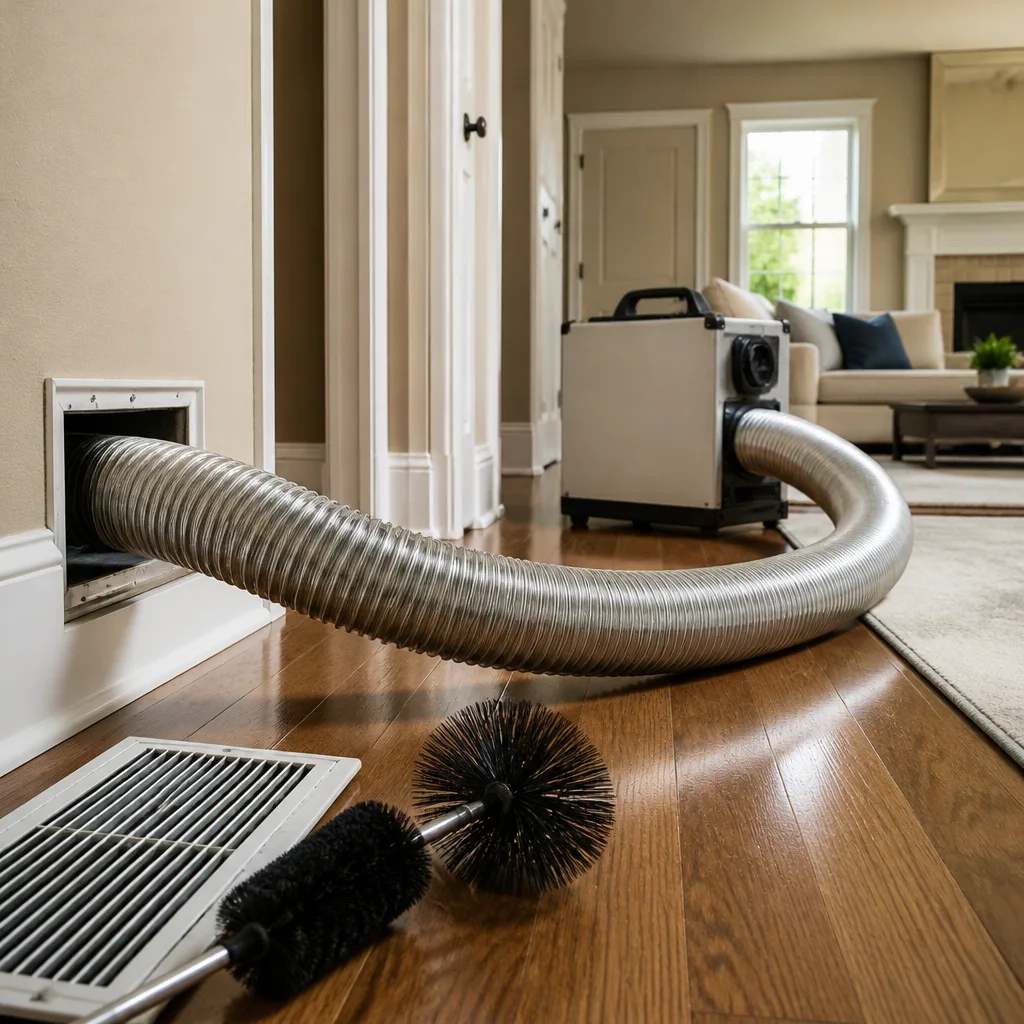 Whole-home duct cleaning
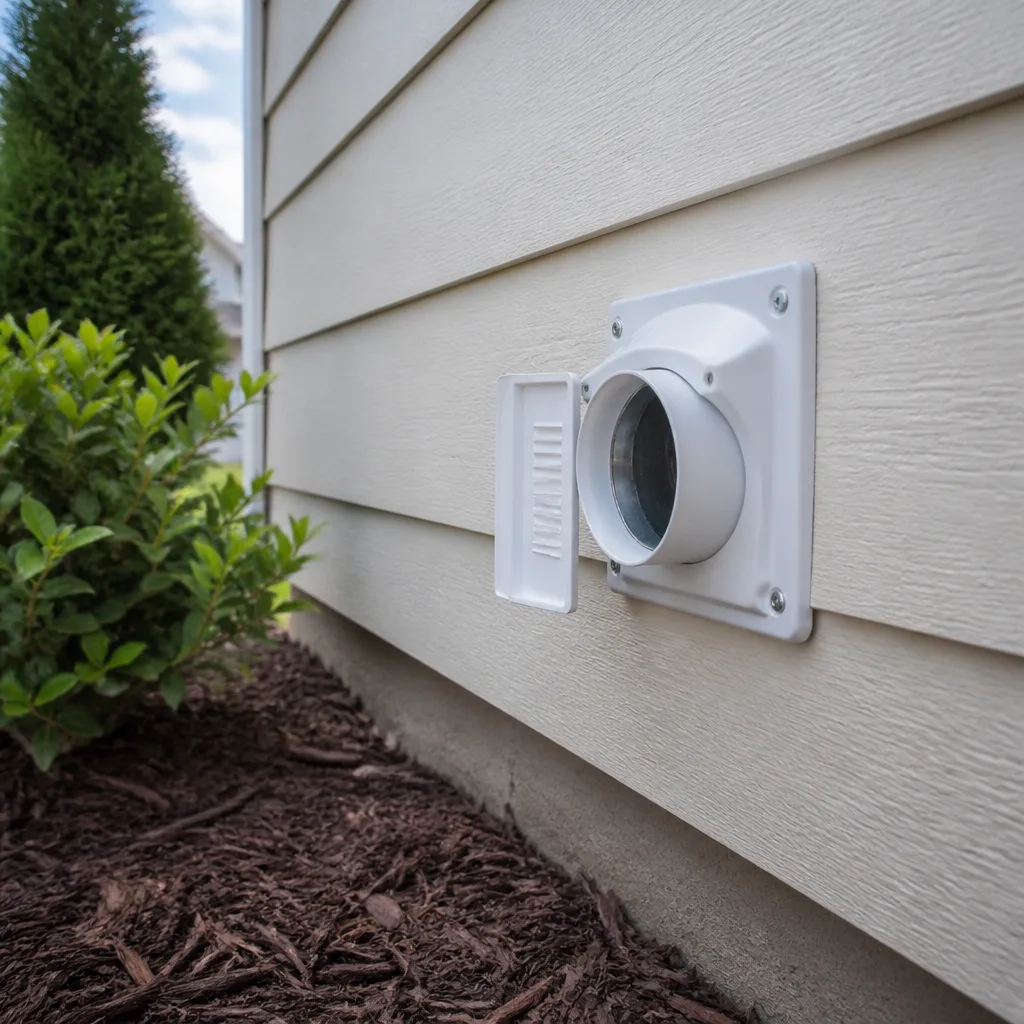 Dryer vent cleaning
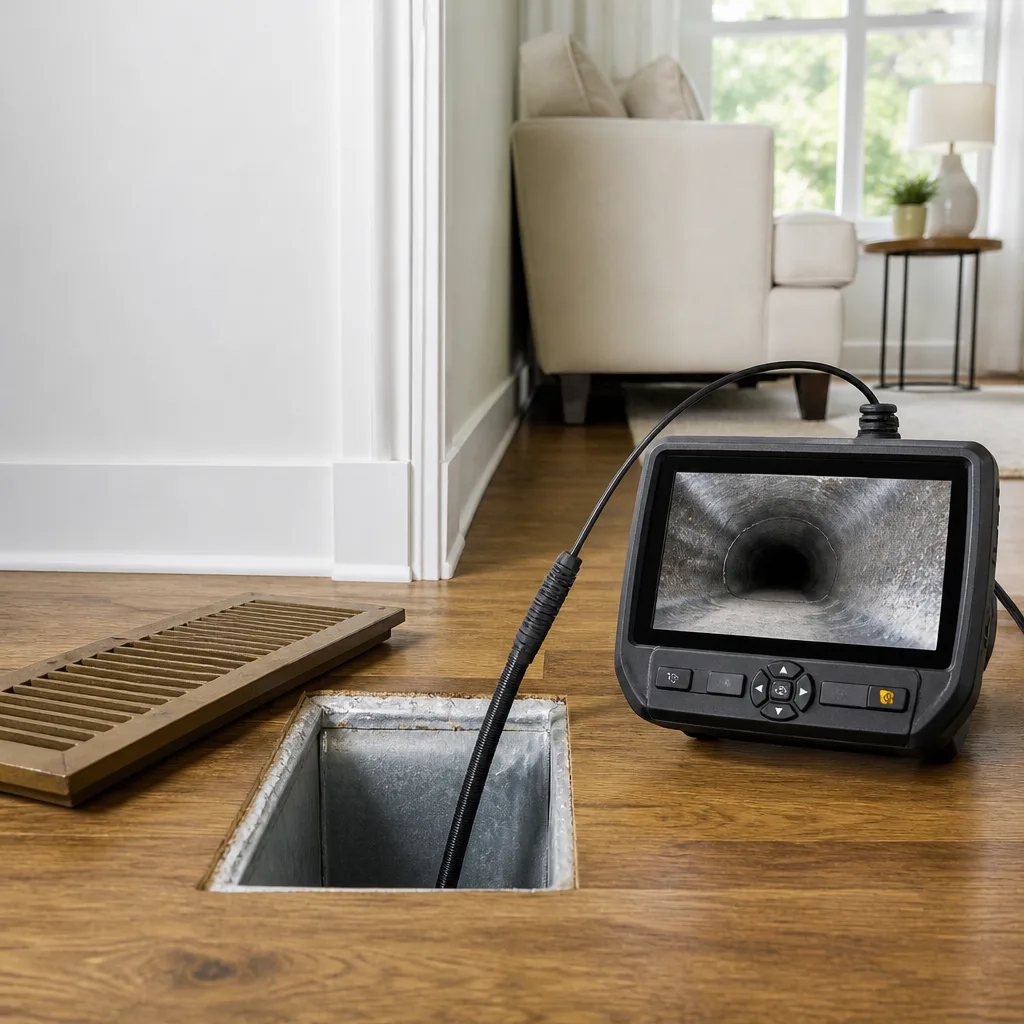 Camera inspection
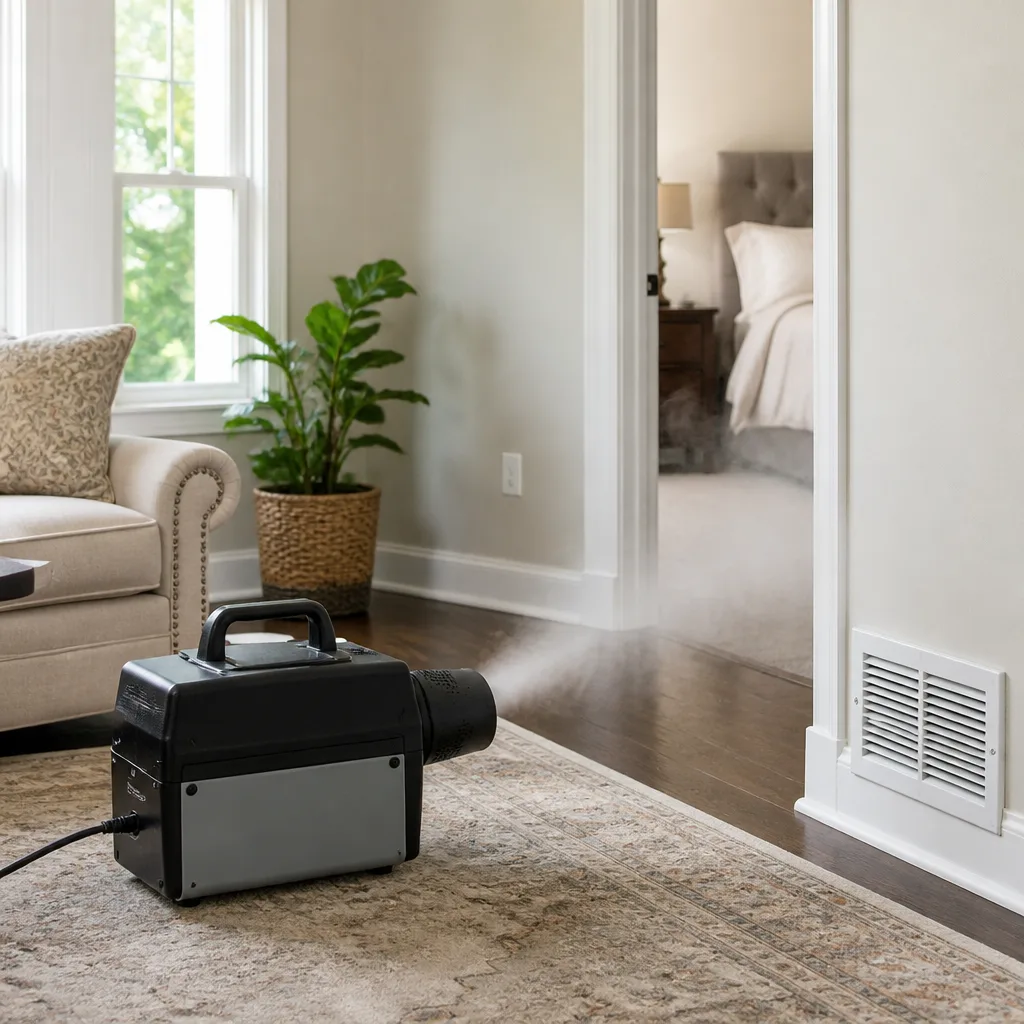 Sanitizing & deodorizing
Whole-system duct and dryer vent check with before-and-after photos - you see exactly what came out of your vents
That "$99 whole-house special" is a bait ad - the real number appears once they are in your hallway, or the "clean" is a shop-vac at the register. We photograph the inside of your ducts before and after instead.
Choosing the Right Air Duct Cleaning Brand: A Buyer’s Guide for Ogden
Utah doesn’t license duct cleaners. There’s no state exam, no journeyman card, no board that verifies someone knows a rotary brush from a shop vac before they knock on your door in Ogden. That surprises most homeowners, and it’s the reason the industry has a bait-and-switch reputation. But here’s what nobody tells you: the equipment a company loads before the job is a stronger quality signal than any review, any certification badge, or any coupon. Rotobrush, Nikro, and Abatement Technologies are professional-channel brands that cost real money and require training to run. Commodity gear is available to anyone with a van. This guide shows you how to tell the difference before you book.
Quick Answer
The best air duct cleaning companies in Ogden use professional-grade equipment that agitates debris and captures it under negative pressure in the same pass – typically Rotobrush rotary-brush systems for the ducts and Nikro HEPA vacuum units for collection. If a company can’t name the brand and model of its vacuum and brush equipment, assume it’s using commodity gear and expect surface-level cleaning. Professional equipment costs $15,000 – $40,000 to outfit a single truck, which is why legitimate whole-house work can’t be sold for $99.
Styles & brands we work with
- Whole-home duct cleaning
- Dryer vent cleaning
- Camera inspection
- Sanitizing & deodorizing
Table of Contents
- Why equipment matters more than reviews in Ogden
- What Rotobrush systems actually do mechanically
- Nikro negative pressure and CFM: the numbers that matter
- Abatement Technologies and dry-fog sanitizing
- How to verify equipment before you book
- The $99 question: what equipment costs and why it matters
- Ogden-specific factors: climate, housing stock, and dust
- Common mistakes to avoid
- When to call a professional
- Frequently asked questions
Why equipment matters more than reviews in Ogden
Reviews tell you whether someone showed up on time and was polite. They rarely tell you whether the technician actually cleaned your ducts or just ran a vacuum hose over the registers for twenty minutes. In a market with no licensing standard, the equipment is the closest thing to an objective credential you can check yourself.
Here’s the distinction that matters. Source removal – the industry standard for what “duct cleaning” is supposed to mean – requires two things happening at once: mechanical agitation of debris stuck to duct walls, and continuous vacuum capture so that debris leaves the system instead of drifting into your living room. A shop vac and a hand brush can technically do both, badly. A Rotobrush rotary-brush system with an integrated HEPA vacuum does both as a single sealed operation, which is why it’s the equipment commercial and restoration crews use.
Ogden homes sit in a valley where winter inversions trap fine particulate and summer dust blows off the foothills. That dust settles in return-air ducts and gets pulled back through the system every time the furnace or AC runs. A company that only brushes the visible registers isn’t touching the debris that’s actually recirculating. We’ve seen plenty of Ogden homes where the supply runs looked clean at the grille and the return plenum was coated.
So the practical filter for your shortlist is simple:
- Ask what vacuum equipment they use and its brand and model.
- Ask what brush system they use and whether agitation and extraction happen simultaneously.
- Ask whether they set up negative pressure containment during the job.
- Ask what happens to the debris once it’s captured – is it HEPA-filtered or vented?
If the answers are vague, move on. A company that can’t describe its own equipment doesn’t have equipment worth describing.
What Rotobrush systems actually do mechanically
Rotobrush is the brand most associated with residential rotary-brush duct cleaning, and the mechanical principle is worth understanding because it separates a real clean from a cosmetic one. The system pushes a rotating brush head through the duct run on a flexible shaft while a high-volume vacuum pulls air from the same line. The brush spins continuously against the duct wall, loosening caked dust, pet hair, construction debris, and lint, and the vacuum captures it at the source before it can settle back.
Now compare that to the common shortcut: a technician manually pushes a brush through a line, pulls it out, then vacuums afterward. That’s two separate operations, and in between them the dislodged debris is floating loose in the duct. Some of it gets captured. Plenty doesn’t. It ends up redistributed into the rooms the ducts serve, which is exactly the outcome you’re paying to prevent.
Rotobrush systems also come in configurations matched to duct size and material – flex duct, rigid metal, rectangular trunk lines – and the brush heads are chosen accordingly. A rigid metal duct can take an aggressive brush. Flex duct needs a gentler head so the liner isn’t torn. That kind of matching is routine for a trained technician and impossible for someone who owns one generic brush.
The equipment doesn’t do the whole job on its own. Access is the other half. A proper air duct cleaning job involves cutting access ports at strategic points along the duct run, not just working through the floor registers. Rotobrush equipment is designed to work through those ports with the system sealed. If a company tells you they don’t need to cut access, they’re cleaning the grille and calling it done.
What to ask about rotary-brush systems
- What brush head will you use on flex duct in my home versus the metal trunk lines?
- Does the vacuum run continuously during brushing, or is it a separate pass?
- How many access ports will you cut, and how will you seal them afterward?
- Do you photograph the ducts before and after?
Those four questions flush out the pretenders fast.
Nikro negative pressure and CFM: the numbers that matter
Nikro makes HEPA-rated vacuum units that are widely specified in the duct cleaning trade because they meet the source-removal standard set by NADCA – the National Air Duct Cleaners Association. The relevant detail for a homeowner is CFM: cubic feet per minute of air movement. A collection unit needs enough airflow to keep debris suspended and moving toward the filter, not just enough suction to pull dust off a surface.
CFM requirements scale with duct diameter. A small branch run of six or eight inches needs far less than a large rectangular trunk line or a return plenum. A unit rated for adequate airflow on a small system can be undersized for a larger one, and that’s where a lot of “we use a HEPA vac” claims fall apart. The brand matters less than whether the unit is actually sized for your system’s airflow and duct geometry.
| What to check | Why it matters | What a good answer sounds like |
|---|---|---|
| Vacuum brand and model | Confirms professional-grade equipment | Names Nikro or equivalent HEPA unit and the model |
| HEPA filtration | Traps fine particulate, not just visible debris | Confirms HEPA-rated filter, not a bag |
| Negative pressure setup | Keeps contaminants from escaping into living space | Describes sealed containment during cleaning |
| CFM sizing | Ensures adequate airflow for larger ducts | Matches unit capacity to system size |
| Filter condition check | Determines whether filtration is real or nominal | Shows filter housing and confirms replacement schedule |
Negative pressure is the concept to understand. When a collection unit pulls air out of the duct system faster than the surrounding air can leak in, the system stays under negative pressure – meaning contaminants move into the vacuum, not into your rooms. Abatement Technologies builds this capability into dedicated containment equipment, which is beyond what a typical residential setup provides.
Abatement Technologies and dry-fog sanitizing
Sanitizing is where the gap between professional equipment and hardware-store foggers gets widest. A fogger from the local hardware store pushes moisture into the ducts along with whatever chemical is in the reservoir. The particle size is inconsistent, the moisture can promote the very microbial growth you’re trying to address, and the coverage is uneven. A dry-fog application through EPA-registered equipment atomizes the sanitizer into fine particles small enough to travel the length of a duct run and coat interior surfaces without leaving standing moisture behind.
That distinction matters because sanitizing is not the same as cleaning, and one cannot substitute for the other. Mechanical cleaning removes the debris. Sanitizing treats what’s left on the surfaces after the debris is gone. Flipping the order – fogging first, vacuuming second – is a waste of money because the sanitizer has nothing to bond to and the cleaning removes most of it anyway.
Guardsman-based sanitizing treatments are formulated for duct and HVAC surfaces and are applied after mechanical cleaning is complete. The purpose is to address odor, mold, and bacterial concerns that vacuuming alone can’t resolve. Whether you need sanitizing depends on what’s found during inspection: if the ducts show visible microbial growth, musty odor, or evidence of past moisture intrusion, it’s worth discussing. If the ducts are dry and clean, a standard mechanical clean may be all you need.
Ogden’s dry climate is actually helpful here. Ducts tend to stay drier than in humid regions, which means active mold problems are less common than in, say, the Southeast. But swamp coolers, HVAC condensation leaks, and summer storm intrusion still create moisture events that can leave a problem behind. The right sequence is always inspect, clean mechanically, then decide whether sanitizing is warranted.
Questions that reveal whether sanitizing is real or theater
- Is the sanitizer applied as dry fog, or as a wet mist?
- Is the fogging equipment EPA-registered?
- Is sanitizing applied after the mechanical clean, or bundled into it?
- What product is being used, and is it rated for duct surfaces?
How to verify equipment before you book
This is the section to screenshot. Verifying equipment takes about five minutes on the phone, and it will save you from the most common duct cleaning disappointment – paying for a job that looks done and isn’t.
- Ask for the vacuum brand and model. “What vacuum are you bringing?” A professional names Nikro, Rotobrush, Abatement Technologies, or another professional-channel brand. A vague answer (“a commercial HEPA vac”) means they either don’t know or don’t want you to know.
- Ask for the brush system brand. Same logic. Rotobrush is the standard answer for residential rotary brush systems. “We use brushes” is not an answer.
- Ask whether the vacuum runs during brushing. The answer should be yes, continuously. Anything else is not source removal.
- Ask how they handle containment. A professional describes negative pressure and sealed access points. An amateur describes plastic drop cloths.
- Ask for before and after photos. A company that takes photos during every job can show you examples immediately. A company that can’t is telling you something.
- Ask what happens if the inspection finds a problem the cleaning won’t fix. Duct repair and sealing, moisture issues, or microbial growth all point to more work than a standard clean. A good answer describes what they’d recommend and why.
If a company can’t name its equipment, don’t book the job. It’s that simple. The equipment question is a proxy for a hundred other things – training, industry knowledge, whether they understand what source removal actually requires. Someone who has invested in professional gear tends to know how to use it.
For property managers, this verification step matters even more because you’re documenting air quality work for tenants. A company that photographs before and after, names its equipment, and provides a written record of the work is the one to keep on your vendor list. Landlords dealing with tenant air-quality complaints need documented service, not a receipt that says “ducts cleaned.”
The $99 question: what equipment costs and why it matters
The most common reason people end up regretting a duct cleaning is that they booked the cheapest quote. It’s worth understanding why the cheapest quote is structurally what it is.
Outfitting a single truck with professional-grade equipment runs somewhere in the range of $15,000 to $40,000 depending on the mix of rotary brush systems, HEPA vacuums, negative-air containment gear, and sanitizing equipment. That’s before you factor in training time on the equipment, access-port tooling, inspection cameras, and the labor to actually do the job correctly. A company carrying that investment has to charge accordingly. That’s not a markup – it’s the cost of doing the work to the source-removal standard.
Now consider what $99 buys. A cheap shop vac and a hand brush cost a few hundred dollars total. A one-van operation with that setup and no containment can technically say “ducts cleaned” and collect $99, then upsell you on sanitizing, filters, or mold treatments once the technician is in the door. The base price is a foot-in-the-door number, not a service price.
| Equipment category | Typical professional investment | What it enables |
|---|---|---|
| Rotary brush system (Rotobrush-class) | Several thousand dollars | Mechanical agitation along duct runs with matched brush heads |
| HEPA vacuum collection unit (Nikro-class) | Several thousand dollars | Capture of fine particulate during agitation |
| Negative-air containment (Abatement-class) | Several thousand dollars | Prevents contaminants escaping into living space |
| Dry-fog sanitizing equipment (EPA-registered) | Varies | Even, moisture-free sanitizer coverage |
| Inspection camera and access tooling | Hundreds to low thousands | Inspection before, during, and after cleaning |
The takeaway isn’t that every quote should be expensive. It’s that a quote far below the local market is telling you something about what equipment is in the truck. Ask for the written estimate, ask what’s included, and compare quotes based on equipment and scope, not just the number. The written estimate sets the price – no per-vent pricing, no surprise add-ons after the technician is on-site.
A company using professional equipment also tends to cover the whole air pathway in one service relationship – ducts, HVAC system, dryer vent, and air quality work. Splitting those out across multiple providers usually costs more and leaves gaps nobody’s accountable for. You can see how we handle the full scope on the HVAC cleaning page, and the same equipment standard carries over to dryer vent cleaning.
Ogden-specific factors: climate, housing stock, and dust
Duct cleaning isn’t a generic job. Where the house sits shapes what’s likely in the ducts and what equipment setup you actually need.
Ogden runs along the Wasatch Front, and the valley geography works against air quality. Winter inversions trap fine particulate near the ground, and homes in the eastern neighborhoods near the foothills get a heavier load of wind-blown dust from spring and fall gusts. Those particles settle in return-air plenums and get pulled through the system every cycle. The right equipment for the job is HEPA-rated for a reason – it’s not just about visible debris.
Housing stock varies a lot across the city, and that changes what a duct cleaning actually looks like in practice. Older homes near downtown Ogden and in established neighborhood blocks like the ones around Jefferson and Monroe often have retrofitted or partially rebuilt duct systems – sometimes flex runs patched into older rigid trunk lines, sometimes additions with their own plumbing. Those systems need inspection-camera work before cleaning because the duct layout can be a patchwork. Newer construction on the east bench and out toward the foothills tends to have cleaner original ductwork but can carry construction debris left behind when the home was built, and that debris is often the reason airflow is uneven.
Dryer vent cleaning comes up more in Ogden than homeowners expect because lint buildup is a slow, invisible problem. If it’s been more than a year since the vent was checked, it’s worth doing as part of a full-system service.
We cover Ogden Air Duct Cleaning Pros as the parent operation, and our air duct cleaning service handles the duct side of the system. Homeowners dealing with allergy flare-ups, musty odors, or uneven airflow typically end up wanting the whole air pathway looked at rather than one piece of it.
Common mistakes to avoid
- Booking based on price alone. A quote that’s half the local market is telling you the equipment isn’t professional-grade. Ask what’s in the truck before you compare numbers.
- Accepting a cleaning through the registers only. No access ports means no source removal. A company cutting access points in your duct runs is doing the job right; one that says it isn’t necessary is skipping the work.
- Letting sanitizing get bundled before cleaning. Sanitizer goes on after the mechanical clean, not before. If a company quotes sanitizing as step one, the sequence is wrong.
- Skipping the inspection. Any duct system should be inspected with a camera before quoting the scope. In older Ogden homes with retrofit duct work, an inspection often changes what the right service actually is.
- Ignoring the dryer vent as a separate system. Lint buildup is a different problem than duct dust, and a company that bundles it with air ducts without a dedicated vent clean isn’t addressing it properly.
- Not asking for before and after photos. Photos are the difference between “trust us” and “here’s what we did.” Ask for them in writing as part of the scope.
- Overlooking air quality hardware recommendations. Cleaning is one-time. Filtration, humidification, and UV equipment from Honeywell or Aprilaire address ongoing air quality. A company that carries those product lines can advise on the whole picture instead of just selling the clean.
When to call a professional
Duct cleaning isn’t something you need on a schedule the way you change a furnace filter. It’s driven by what the system tells you. Call a professional when you notice allergy symptoms that flare inside the home but calm down elsewhere, musty or stale odors that return after cleaning the house, uneven airflow between rooms, visible dust collecting on the registers faster than normal, or if it’s been several years since the ducts were inspected and nobody in the house can remember the last time. If you’re a landlord responding to a tenant air-quality complaint, documented service with before and after photos is the thing that resolves the concern. Ogden Air Duct Cleaning Pros offers free estimates in Ogden – call (844) 564-2864. We answer 24/7. Fast dispatch from 7am to 7pm, Sunday through Friday.
Frequently asked questions
Air duct cleaning in Ogden typically falls into a broad range depending on home size, number of systems, duct layout, and whether sanitizing or repair work is added. The exact price is set per job by the written estimate, which is why any company quoting a flat number over the phone without an inspection is guessing. Call (844) 564-2864 for an exact quote – estimates are free.
Cheap quotes usually mean cheap equipment – a shop vac and a hand brush instead of a rotary-brush system and HEPA vacuum with negative-air containment. That means surface-level cleaning through the registers rather than source removal, often followed by upsells once the technician is in the door. Asking about the equipment brand and model will tell you exactly which situation you’re looking at. Call (844) 564-2864 for an exact quote – estimates are free.
Before and after photos of your own ducts are the clearest answer, backed by an inspection camera view of the return plenum and supply runs. A company that documents the work can show you the difference between the before and the after, not just a receipt. Call (844) 564-2864 for an exact quote – estimates are free.
Most homes go years between duct cleanings, and the interval depends on conditions: pets, smoking indoors, recent remodeling, moisture issues, and filter maintenance all shorten it. Rather than a fixed schedule, ask for an inspection camera check and let that decide. Call (844) 564-2864 for an exact quote – estimates are free.
Only after a mechanical clean finds a reason for it – visible microbial growth, musty odor, or past moisture intrusion. Ogden’s dry climate keeps many ducts problem-free, so a standard mechanical clean is often enough. Dry-fog sanitizing with Guardsman-based treatment makes sense when the inspection says so, not as a default. Call (844) 564-2864 for an exact quote – estimates are free.
Yes. Retrofit duct systems – common in older Ogden homes where flex runs were patched into original rigid trunk lines – need inspection-camera work first to map the layout before cleaning. Rotary-brush systems with matched brush heads handle rigid and flex duct differently, which is one reason professional-grade equipment matters in homes like these. Call (844) 564-2864 for an exact quote – estimates are free.
The Bottom Line
The single most reliable quality signal for a duct cleaning company in Ogden is the equipment it brings. Rotobrush rotary-brush systems, Nikro HEPA vacuums, and Abatement Technologies containment gear aren’t gear you pick up at the hardware store – they cost enough to run a real operation, and they’re specified to meet the source-removal standard. If a company can’t name its vacuum brand or explain how it captures debris during agitation, the answer to “what will you clean” is “not the ducts.” Ask the equipment questions, request the written estimate, and expect before and after photos. That filter will get you to a company that actually does the work.
See the difference
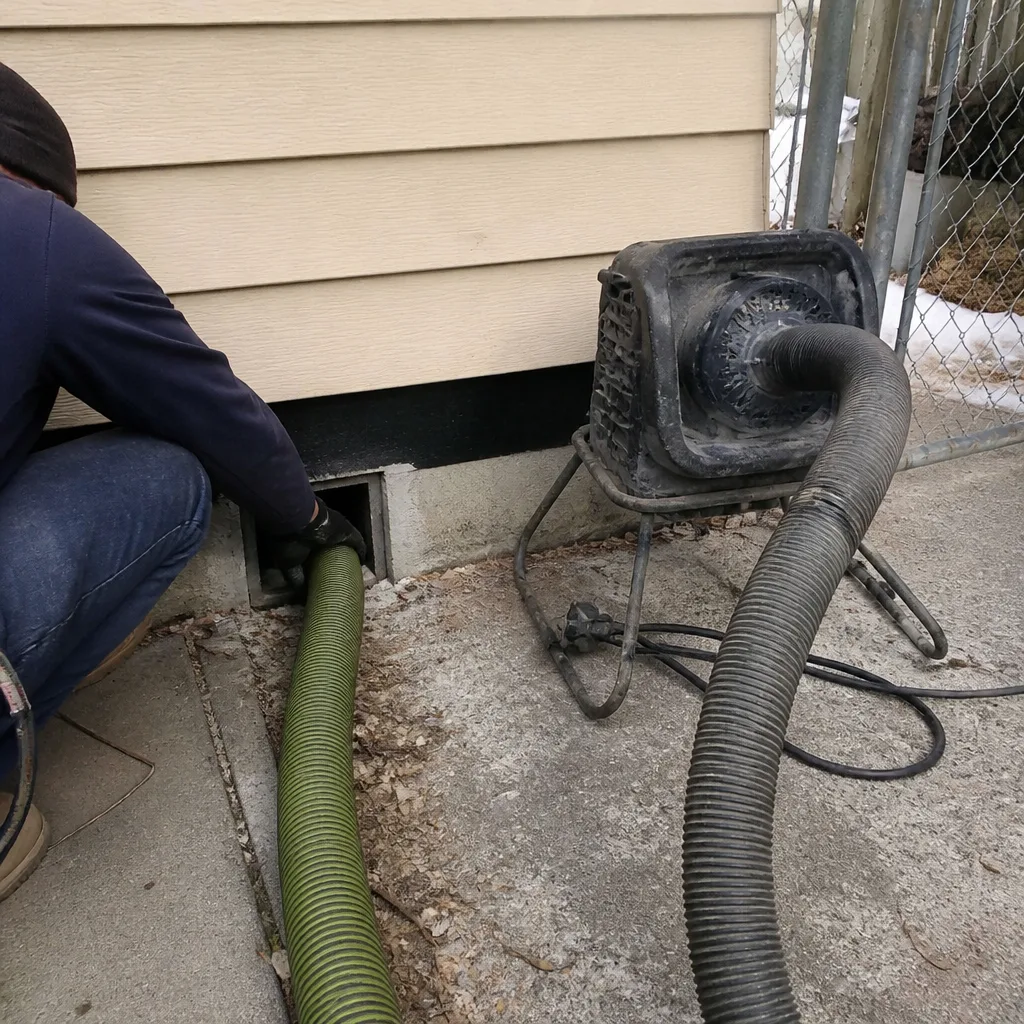 Before
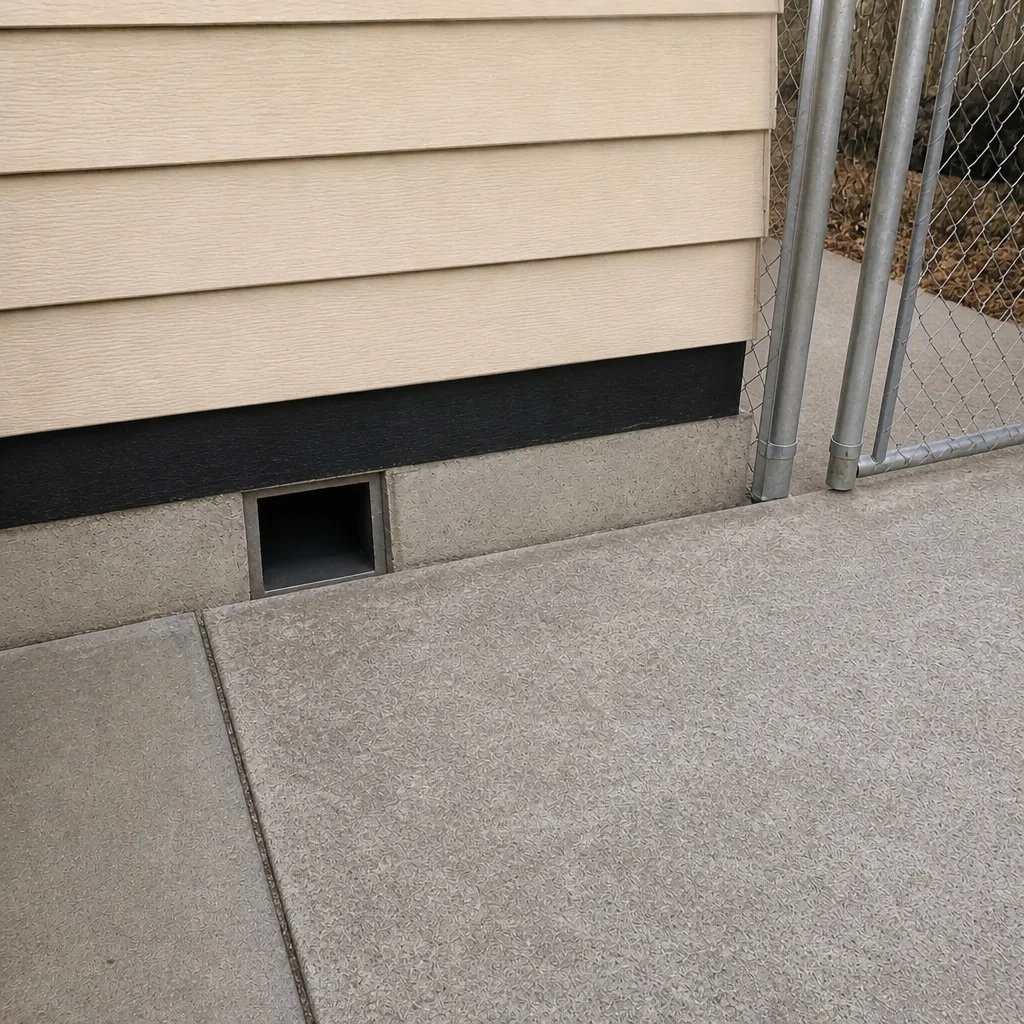 After
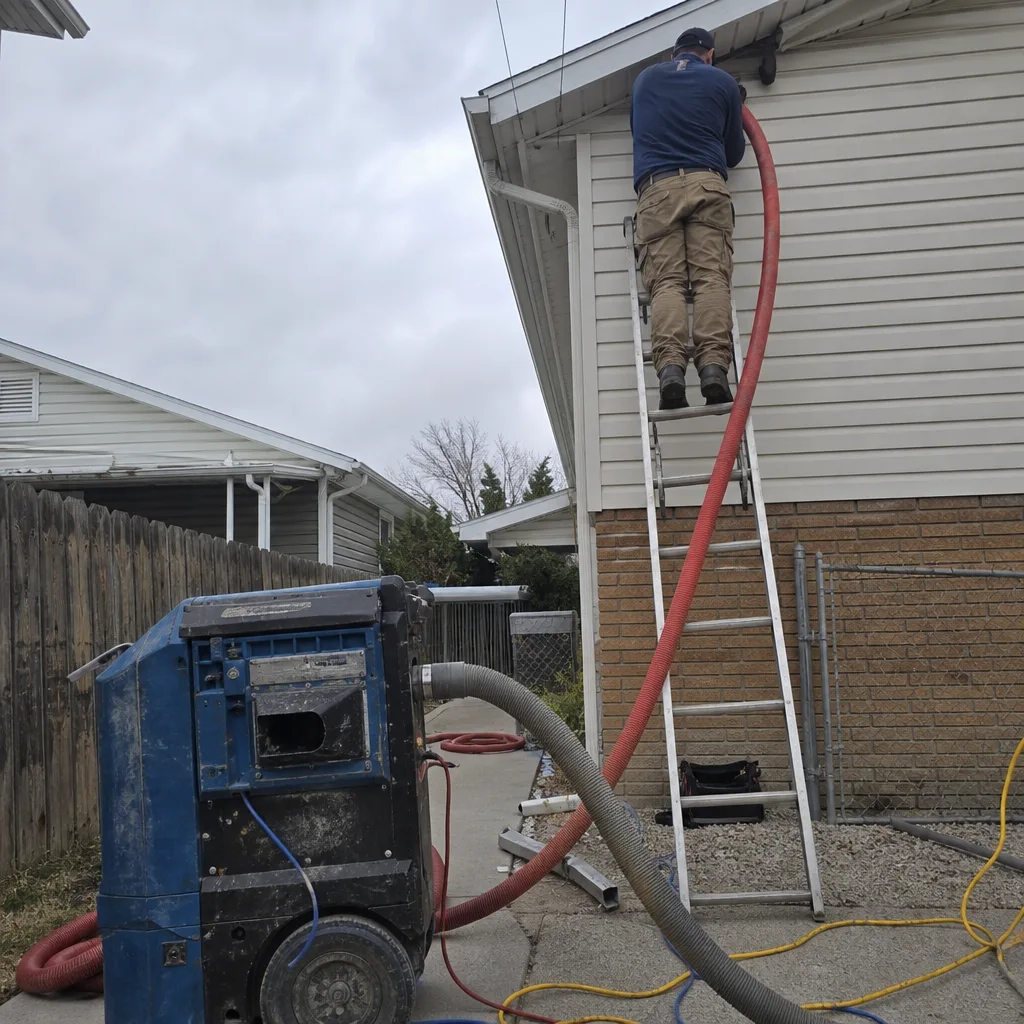 Before
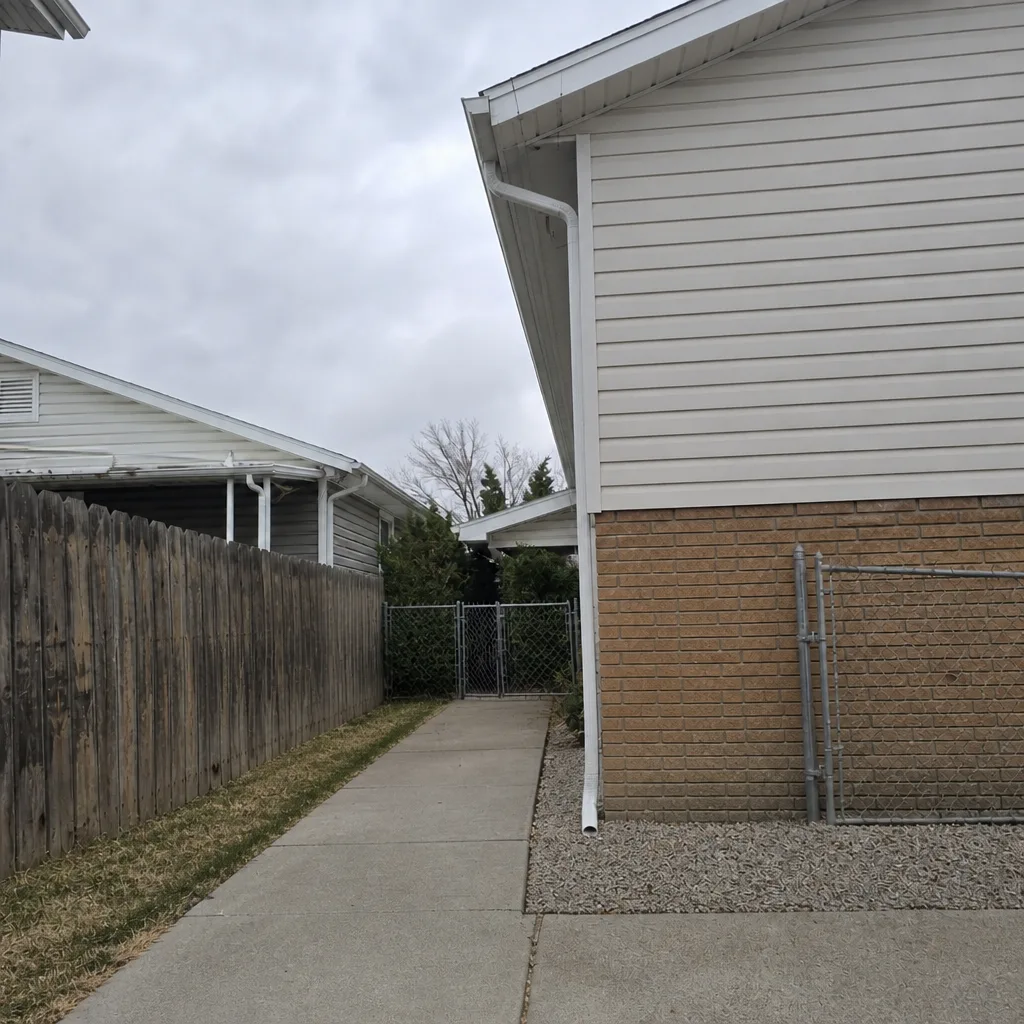 After
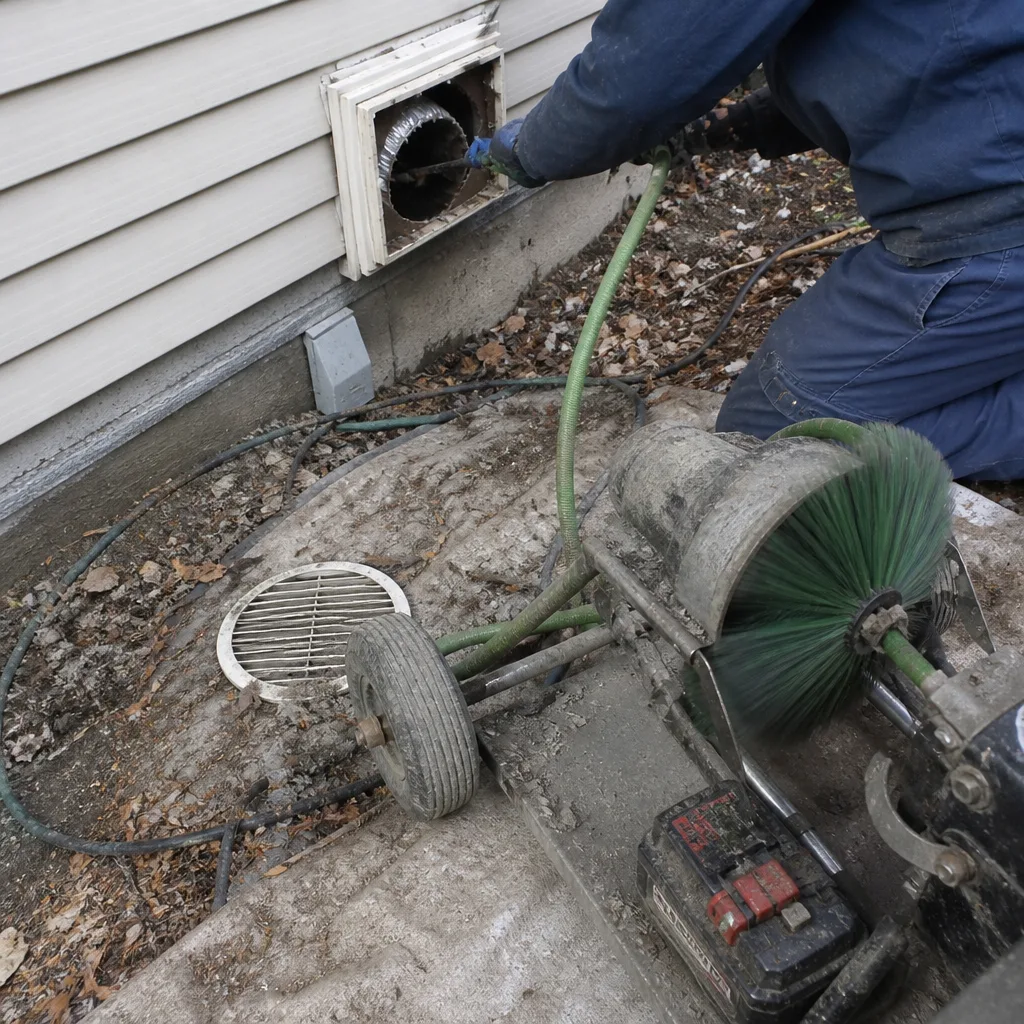 Before
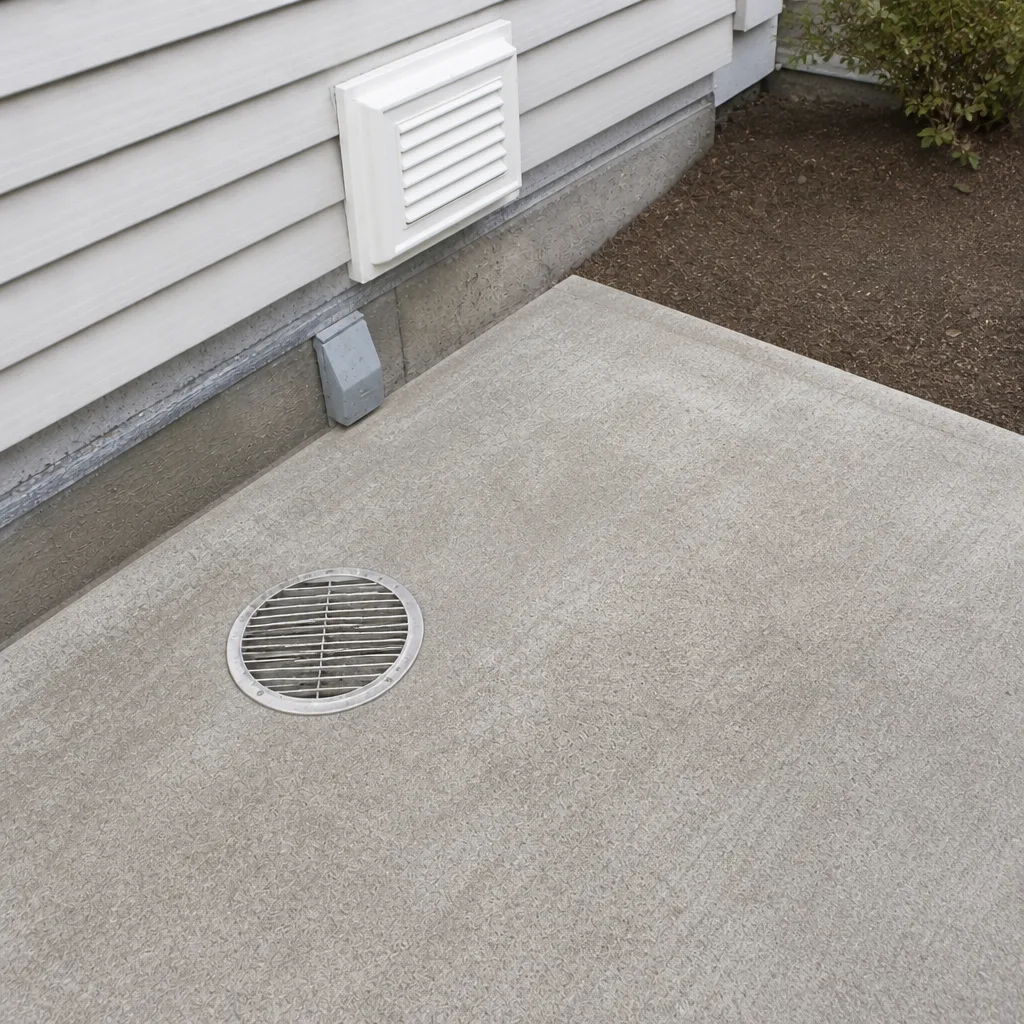 After
Contact
Choosing the right company starts with the right questions. Our technicians have up to 15 years of experience, and we work with professional-grade equipment across all five of our service categories – air duct cleaning, dryer vent cleaning, HVAC cleaning, duct repair and sealing, and air quality and sanitizing. Call (844) 564-2864 for a free estimate. We answer 24/7. Fast dispatch from 7am to 7pm, Sunday through Friday.
Related Reading
- Air duct cleaning in Ogden
- Dryer vent cleaning in Ogden
- HVAC cleaning in Ogden
- Ogden Air Duct Cleaning Pros
Written by the team at Ogden Air Duct Cleaning Pros.