
Last updated November 25, 2026
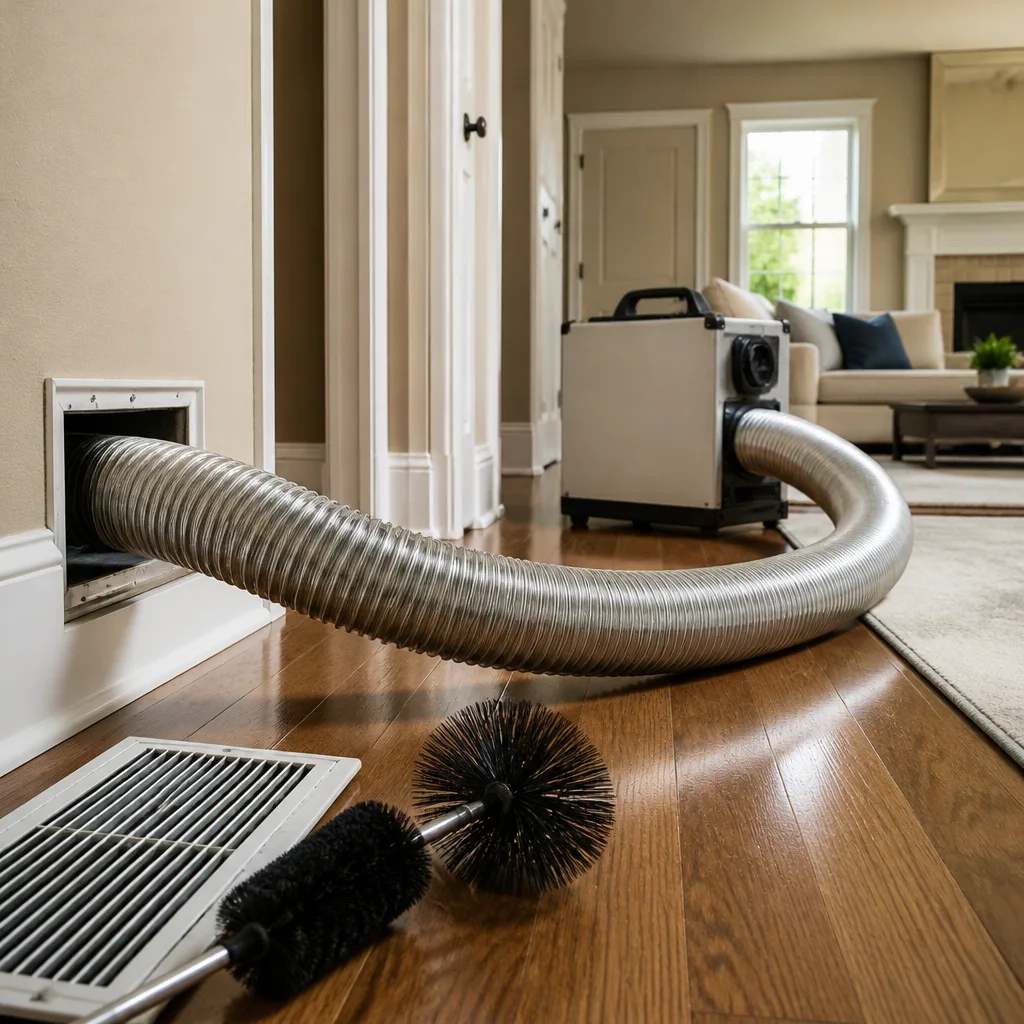 Whole-home duct cleaning
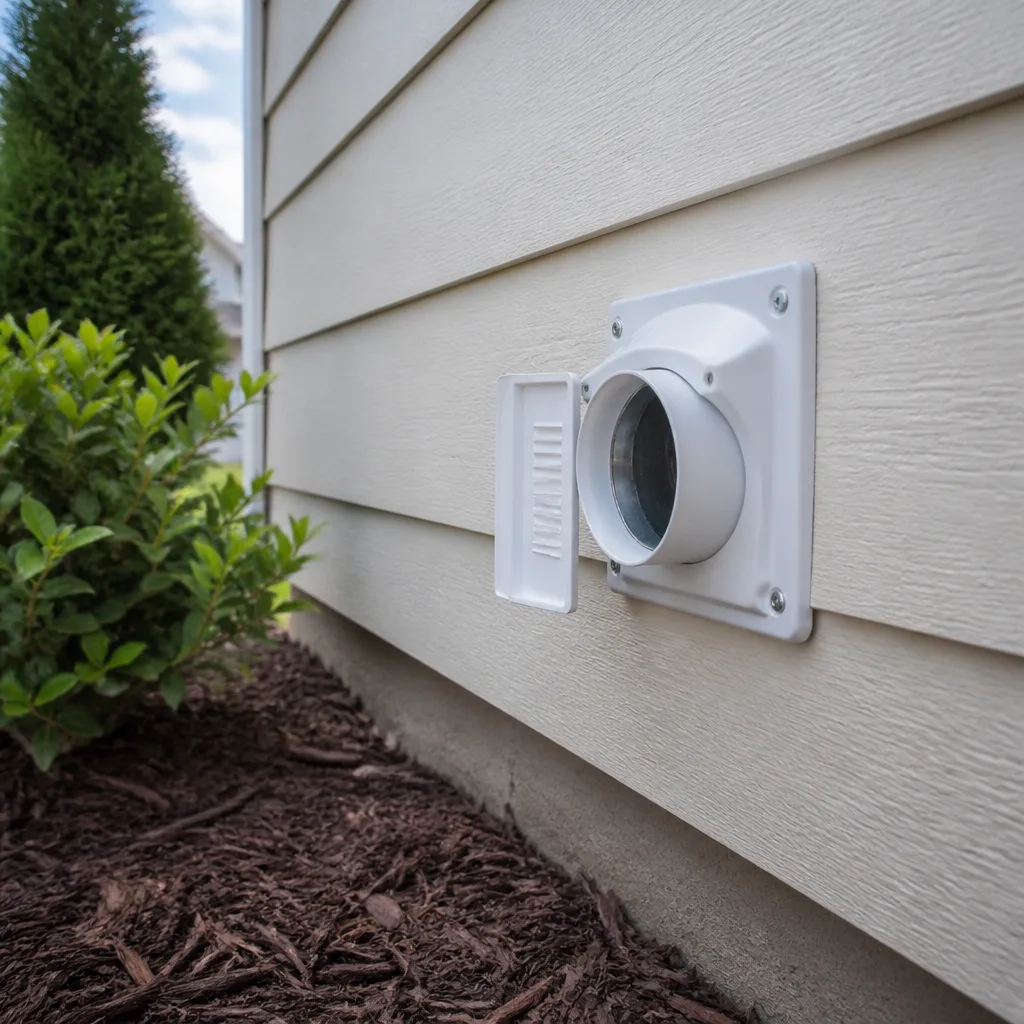 Dryer vent cleaning
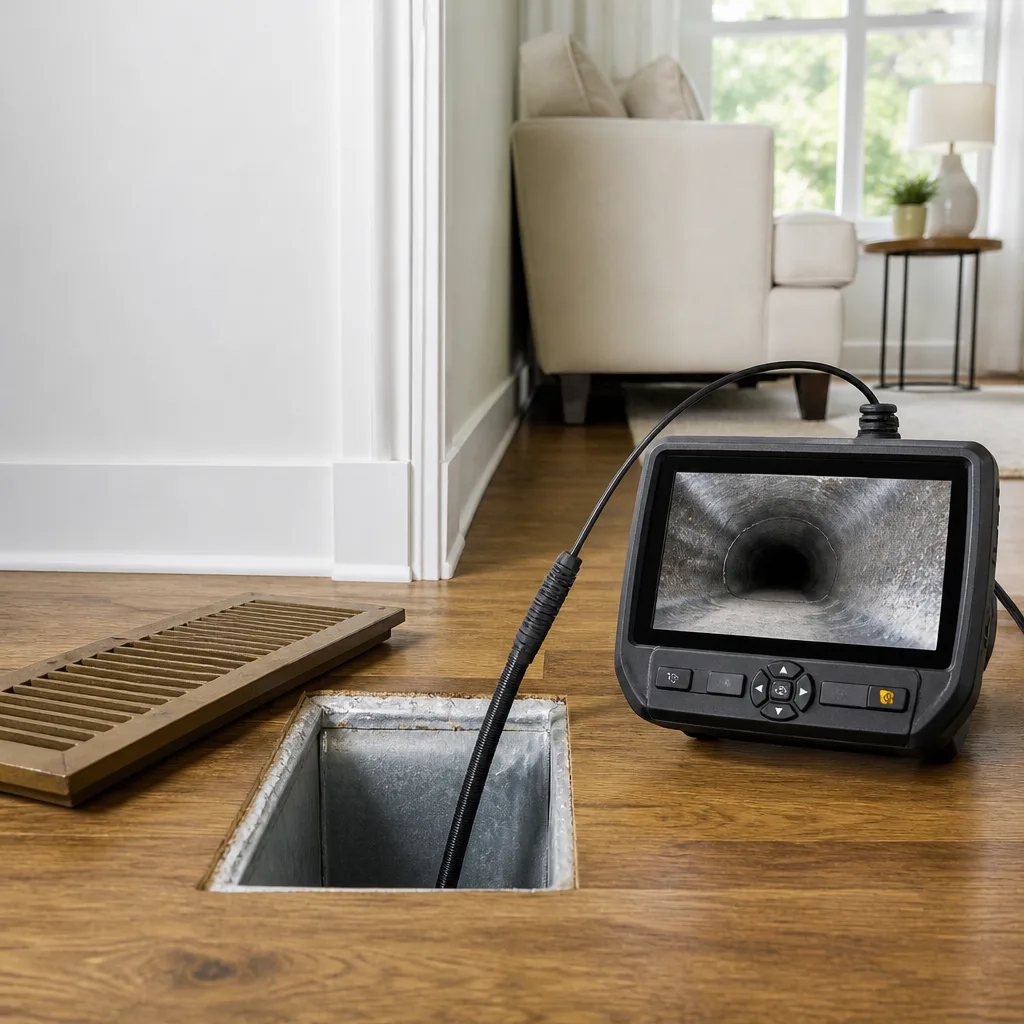 Camera inspection
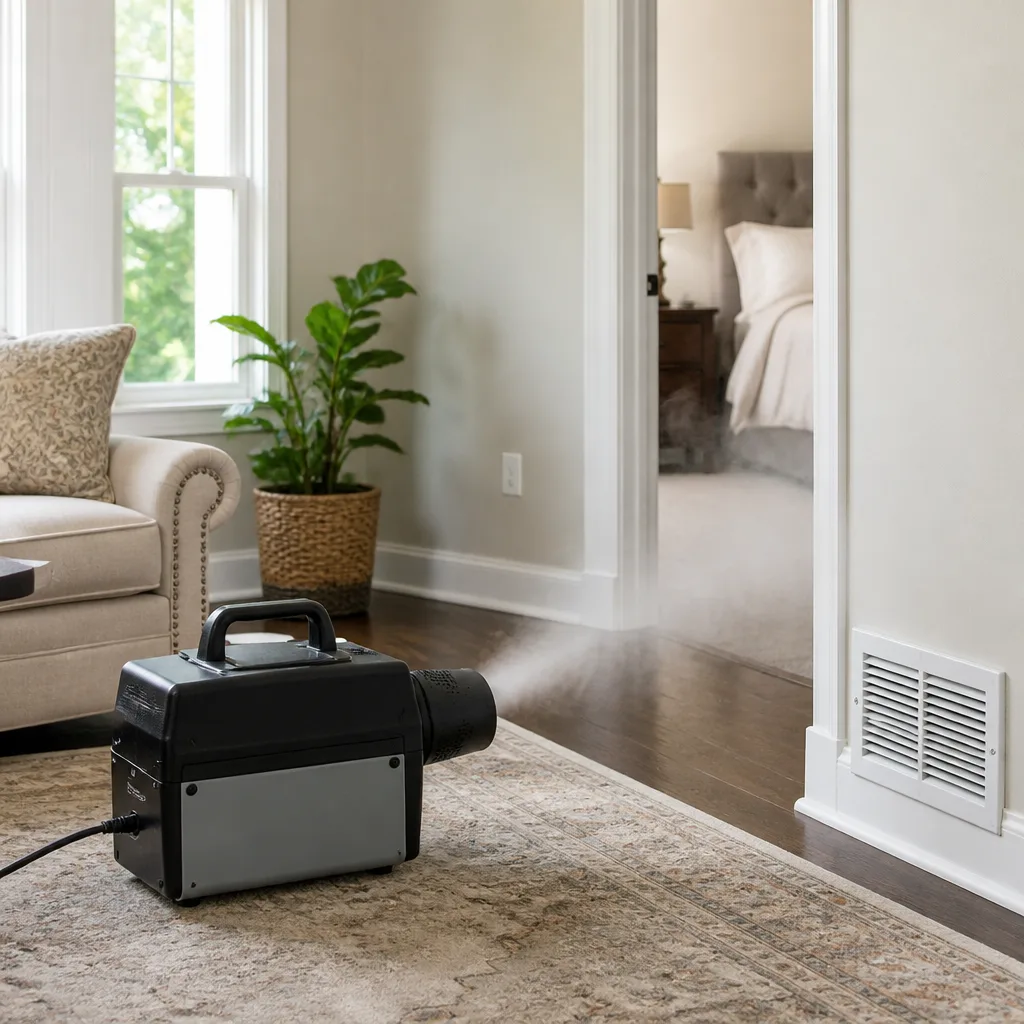 Sanitizing & deodorizing
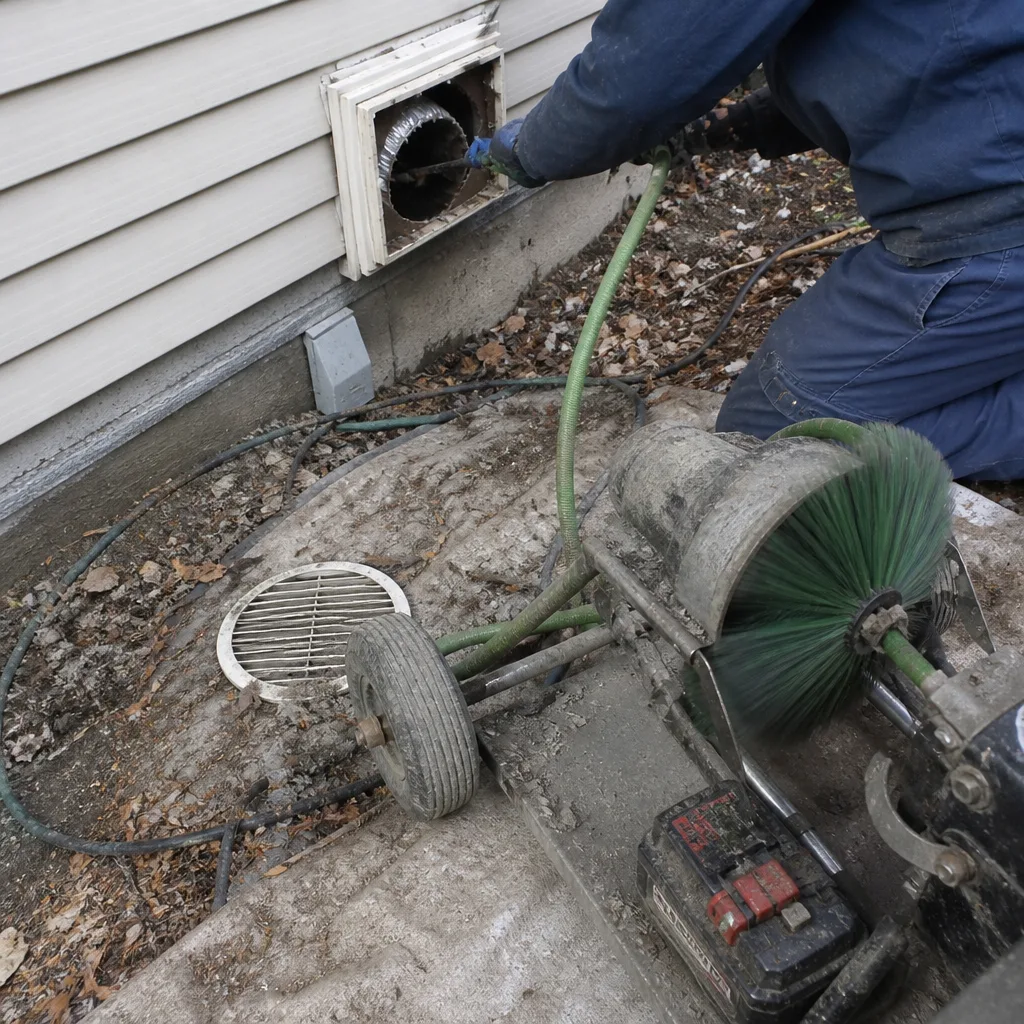
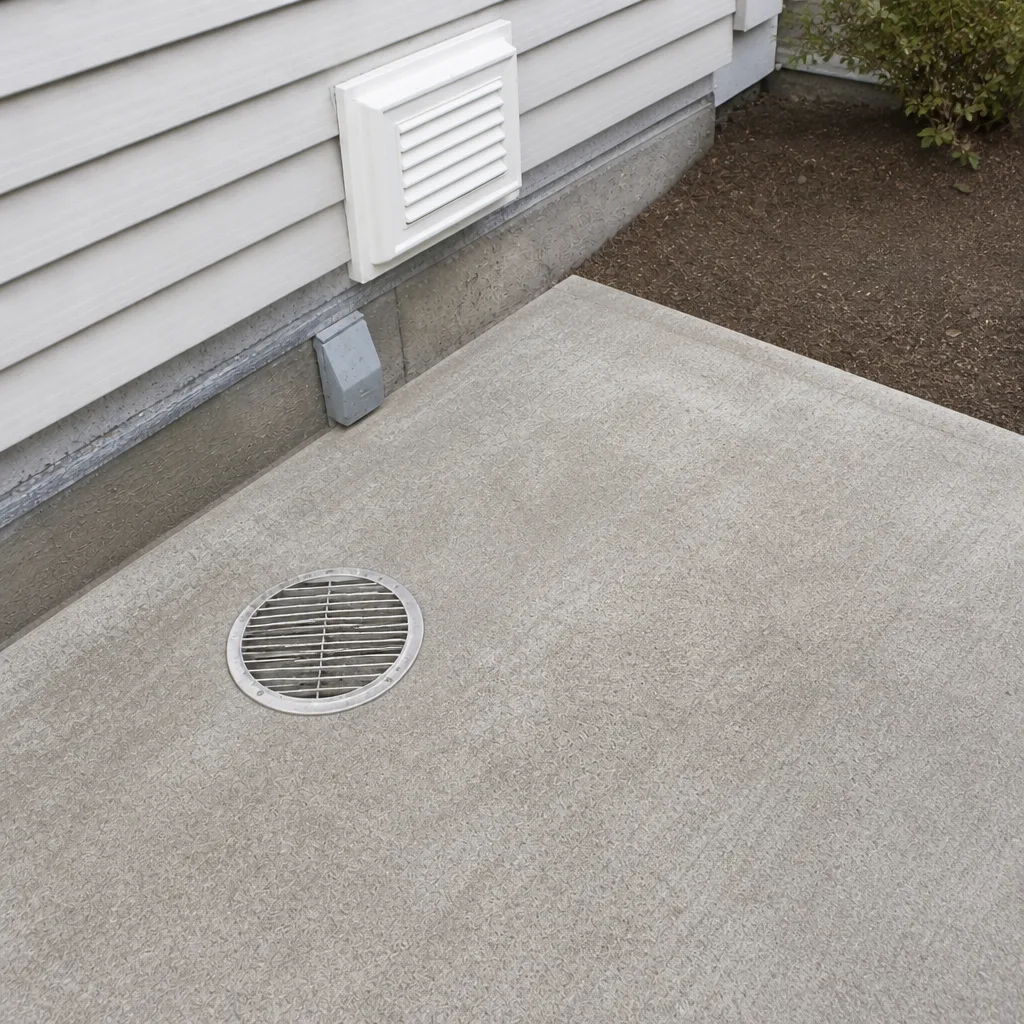
Whole-system duct and dryer vent check with before-and-after photos - you see exactly what came out of your vents
That "$99 whole-house special" is a bait ad - the real number appears once they are in your hallway, or the "clean" is a shop-vac at the register. We photograph the inside of your ducts before and after instead.
How to Hire an Air Duct Cleaning Contractor in Ogden: A Step-by-Step Guide
A $49 whole-house duct cleaning offer is not a deal. It’s a door opener. The Federal Trade Commission has warned consumers about duct cleaning bait-and-switch schemes, where the low price gets a signature and the upsells get the wallet. Here in Ogden, that pattern is easy to fall into, because Utah requires almost no specific licensing to call yourself a duct cleaner. What separates a legitimate contractor from a coupon operation comes down to three things most homeowners never think to ask about: equipment, verification, and a quote structure that forces itemization. This guide walks you through all three, step by step, so you can vet a contractor before anyone walks into your home.
Quick Answer
To hire an air duct cleaning contractor in Ogden, verify three things before you book: the vacuum and rotary-brush equipment they actually bring to the job, their NADCA membership and trades registration status through Utah’s licensing lookup, and a written quote that itemizes supply lines, return lines, plenum, coil, and registers separately. A credible contractor will also inspect your system, check filter condition and static pressure, and ask about renovation history before quoting a flat price. If any of those steps gets skipped, keep looking.
Styles & brands we work with
- Whole-home duct cleaning
- Dryer vent cleaning
- Camera inspection
- Sanitizing & deodorizing
Table of Contents
- Why Utah’s Thin Licensing Rules Make Vetting Essential
- The Equipment Questions That Reveal Who You’re Hiring
- How to Verify NADCA Membership and What It Obligates
- Utah Contractor Licensing Lookup: What Applies to Duct Work
- How to Build an Apples-to-Apples Quote Request
- What a Real Pre-Job Inspection Looks Like
- Ogden-Specific Considerations: Climate, Housing, and Airflow
- Red Flags to Watch For
Why Utah’s Thin Licensing Rules Make Vetting Essential
Utah does not require a duct cleaning-specific license. A company can buy a van, print a flyer, and start knocking on doors in Ogden with no more credential than a business license. That’s not a knock on the state’s regulatory approach; it simply means the burden of doing due diligence falls on you, the homeowner. In states with dedicated duct cleaning certification requirements, some of that filtering happens before a contractor ever reaches your driveway. Here, it doesn’t.
What Utah does regulate is the HVAC trade itself. Work that involves modifying, repairing, or installing components of a heating and cooling system generally requires a licensed HVAC contractor. Duct cleaning is often classified separately, but the line gets blurry when the job involves sealing leaks, replacing flex duct, or opening up a plenum. That distinction matters when you’re vetting a company that offers more than vacuuming.
- Duct cleaning alone: typically no specific state license required, though a business license is standard.
- Duct repair, sealing, and reconnection: may cross into HVAC contractor territory depending on scope.
- Any work touching the furnace or coil: generally requires a licensed HVAC contractor.
- Electrical work for UV or air quality equipment: requires a licensed electrician.
For Ogden homeowners, the practical takeaway is this: ask what the company is licensed to do, and get it in writing. If a contractor is only set up for cleaning but offers to seal your plenum or reconnect a run, ask who’s pulling the permit and who’s carrying the liability. The Ogden Air Duct Cleaning Pros team works with vetted local professionals who are licensed and insured as the state requires, and we’ll tell you plainly which parts of a job fall under which scope.
The Equipment Questions That Reveal Who You’re Hiring
The single most revealing thing you can do during a vetting call is ask what equipment the crew will actually use. Not the brand of the vacuum on the brochure. The specific unit, its airflow rating, and whether they use a rotary brush system. Contractors running consumer-grade shop vacuums or portable units simply won’t be able to answer these questions in detail, and they’ll usually pivot the conversation to price.
Professional duct cleaning relies on two pieces of equipment working together: a high-powered vacuum collection unit capable of pulling enough air to keep debris suspended and moving toward the collection point, and a rotary brush or compressed-air agitation tool to dislodge debris from duct walls.
- Ask about the vacuum unit and its CFM rating. CFM, or cubic feet per minute, indicates airflow. Residential jobs typically call for a commercial-grade negative pressure unit, not a wet-dry shop vac. Ask for the model number if you want to verify.
- Ask whether they use a rotary brush system. Rotobrush systems are one example of the rotary brush approach. The key point is that agitation is happening, not just airflow. A vacuum alone will not dislodge adhered dust, dander, and debris from duct walls.
- Ask about HEPA-rated filtration on the vacuum. Nikro HEPA-rated vacuum equipment traps extracted contaminants rather than venting fine particulate back into the living space. Ask what filter class the unit uses.
- Ask whether they use negative-air containment. Abatement Technologies equipment allows a contractor to maintain negative air pressure during cleaning, so contaminants are captured rather than redistributed. This is common in commercial and restoration work; a residential contractor that offers it is working to a higher standard.
- Ask how they protect your floors and furnishings. Drop cloths, corner guards, and shoe covers are standard. The absence of prep is a signal.
When you book air duct cleaning in Ogden, we bring Rotobrush rotary-brush systems and Nikro HEPA extraction, and we can use Abatement Technologies negative-air containment on jobs where it’s appropriate. You’re welcome to ask about any of it before you schedule.
How to Verify NADCA Membership and What It Obligates
The National Air Duct Cleaners Association (NADCA) is the industry’s main trade body, and it publishes a standard called ACR, the Assessment, Cleaning, and Restoration standard for HVAC systems. When a contractor claims NADCA membership, that claim should mean they’ve committed to source removal: physically removing contaminants from the system, not just blowing air through it and calling it clean.
Here’s the catch. NADCA membership is voluntarily maintained, and it isn’t a state-issued license. Some companies display a NADCA logo without being current members. That’s why verification matters more than the logo.
- Ask for the company’s NADCA member number. A legitimate member can provide it without hesitation.
- Look the company up in NADCA’s online directory. This is the only reliable way to confirm current membership.
- Ask if the field supervisors hold NADCA’s ASCS certification. The Air Systems Cleaning Specialist credential indicates an individual technician has passed a written exam and met experience requirements.
- Ask what standard they clean to. A NADCA member should follow ACR. If they can’t name the standard they work to, that’s a sign their process is informal.
NADCA membership doesn’t guarantee a great job, but it does mean the contractor has made a public commitment to the source removal standard, and it gives you a specific complaint channel if something goes wrong. For Ogden homeowners shopping several quotes, this is a quick way to shorten the list.
Utah Contractor Licensing Lookup: What Applies to Duct Work
Utah’s Division of Professional Licensing maintains a public database where you can look up any licensed contractor by name or license number. The lookup takes about two minutes, and it tells you whether a company’s license is active, expired, or has been disciplined. Run it on every Ogden company you’re considering. This is the step most homeowners skip, and it’s the step that catches the biggest problems.
Be aware of what you’ll see. Duct cleaning is not a separately licensed trade in Utah. If a company doesn’t show up in the DOPL lookup, that doesn’t necessarily mean they’re operating illegally. But if the company offers HVAC-adjacent work like duct replacement, coil cleaning that involves disassembly, or plenum repairs, they should be showing up as a licensed HVAC contractor. If they’re not, ask who is.
- Search by business name and by individual. Some companies register under a DBA that doesn’t match their marketing.
- Check the license type. HVAC contractors, general contractors, and specialty contractors are licensed differently.
- Look for active status and expiration date. An expired license is a red flag, not a paperwork oversight.
- Check for disciplinary actions. DOPL lists enforcement actions publicly.
- Ask for a certificate of insurance. General liability is the relevant coverage; ask to be named as an additional insured on the certificate for large or complex jobs.
If a contractor can’t produce a license number or a certificate of insurance on request, that’s your answer. There’s no shortage of duct cleaners in Ogden willing to take the job. You don’t need to gamble on one who can’t be verified.
How to Build an Apples-to-Apples Quote Request
The reason quotes come in dramatically different is almost always scope. One quote covers “the ducts.” Another covers supply lines, return lines, the plenum, the evaporator coil, and registers. Without a structured quote request, you can’t compare them, and the cheaper quote often reflects far less work. The fix is simple: itemize. Ask every contractor to break their quote into the same five categories so you can line them up side by side.
| Line Item | What It Covers | Why It Matters |
|---|---|---|
| Supply lines | Every duct run that delivers conditioned air to rooms | Most of the dust load lands here; some quotes skip trunk lines |
| Return lines | Ducts pulling air back to the HVAC unit | Often the dirtiest section; frequently left out of low quotes |
| Plenum | The large box connecting the furnace or air handler to the duct system | Accumulates debris directly above the coil |
| Evaporator coil | The cooling coil inside the air handler | Dirty coils reduce efficiency and can grow biological growth |
| Registers and grilles | The visible vent covers throughout the home | Easy to clean but often faked; ask for a photo |
Include the age of your home, whether it has flexible or rigid ductwork, and whether the ducts are accessible through a basement, crawlspace, or attic. Ask each contractor to confirm the quote includes before-and-after photos. In our experience, the companies willing to put all of this in writing are the ones confident enough to stand behind the work.
When we quote HVAC cleaning, every line item you see above is priced separately so you know exactly what you’re paying for. If you’re comparing a quote from us against another, the itemization makes that easy.
What a Real Pre-Job Inspection Looks Like
A credible contractor will want to see your system before quoting. That’s not a delay tactic; it’s how a professional determines scope. Expect it to take twenty to forty minutes, and expect to walk through the house with them. If you book a quote and someone shows up, glances at one vent, and writes a number without opening anything, that’s a sales walkthrough, not an inspection.
Here’s what a proper inspection includes:
- Filter check. They’ll pull your filter, note the type and last replacement date, and tell you if it’s undersized or over-restricting airflow.
- Static pressure measurement. A technician with a manometer readings across the air handler can tell you whether your system is fighting itself. This is a diagnostic step most cleaning-only contractors skip entirely.
- Renovation history questions. Recent drywall work, flooring replacement, or insulation installs all drive heavy debris loads. They should ask.
- Visual inspection through accessible ducts. Flashlight and mirror at minimum, camera scope if available. They’re looking for debris depth, pest activity, biological growth, and torn or disconnected flex duct.
- Register and grille walkthrough. Every room, every vent. They’re checking for blocked returns, mismatched airflow, and even registers that don’t connect to anything.
- Written scope. Before you sign anything, you should have a document describing exactly what work is being performed and at what price.
A good inspection also flags problems that cleaning can’t fix. If a run is crushed or disconnected, cleaning it does nothing. That’s when duct repair and sealing should be discussed, in the same conversation, before the cleaning happens. Our team treats the system as one air pathway, which is why we offer dryer vent cleaning and duct repair under the same roof as standard duct cleaning. One visit, one scope, one price.
Ogden-Specific Considerations: Climate, Housing, and Airflow
Ogden sits in a valley with a climate that makes duct contamination a real issue. Hot, dry summers and cold winters mean the HVAC system runs heavily in both seasons. The longer a system runs, the more air moves through the ducts, and the more debris accumulates over time. In the summer, that includes dust, pollen, and fine particulate from outdoor air. In the winter, it’s dust and combustion byproducts from furnaces.
Ogden’s housing stock varies widely. Older homes in neighborhoods like the East Bench and Jefferson may have original sheet-metal ductwork that’s been sealed and resealed. Homes built in the 1980s and 1990s often use flex duct, which is more prone to sagging and disconnection. Newer builds in areas like West Haven and Harrisville tend to have tighter duct systems but can still accumulate debris if the filter isn’t changed consistently.
- Wintertime furnace operation pulls air through the return system more continuously, which can push accumulated debris back into living spaces if the ducts are dirty.
- Spring pollen season in the Ogden valley floor adds outdoor particulate load that bypasses filters through leaks and disconnected runs.
- Basement and crawlspace duct runs in older homes often draw in soil and pest debris through gaps.
- Recent remodeling in Ogden’s growing neighborhoods is one of the biggest drivers of duct debris; drywall dust settles in return lines and stays there.
None of this is unique to Ogden, but the combination of a real winter, a real summer, and a mixed housing stock means the average Ogden home sees meaningful duct contamination within a decade. A thorough cleaning every few years, with filter changes in between, keeps the system working the way it was designed to.
Red Flags to Watch For
Some warning signs are obvious. Others are subtle enough that homeowners miss them until the invoice arrives. Here’s what to watch for during the vetting process.
- A coupon price that’s dramatically lower than all others. If one quote is a fraction of the rest, something in the scope is being cut, or a bait-and-switch is coming.
- No itemized quote. “Whole-house cleaning, $X” isn’t a quote; it’s a placeholder for a conversation that will happen on-site.
- No photo documentation promised. A contractor who cleans and can’t show you what was removed is asking you to trust them without evidence.
- Pressure to sign on the spot. Same-day “today only” pricing is a sales tactic, not a pricing decision.
- No mention of NADCA or a cleaning standard. Not every good contractor is a NADCA member, but a professional should know the standard exists.
- Refusal to provide a license number or insurance certificate. This should be available on request.
- Upsells to sanitizing or mold treatments before any cleaning is done. Sanitizing has its place after mechanical cleaning, using products like Guardsman, but it should never be the pitch that comes before the inspection.
Common Mistakes to Avoid
- Booking based on a coupon alone. A low entry price means the crew has to make up margin somewhere. Ask what happens to the price if they find something during the job. If the answer is vague, walk.
- Skipping the licensing lookup. Two minutes on Utah’s DOPL site answers a question that no amount of conversation will resolve. Do it before you book.
- Not asking for equipment specifics. If the contractor can’t tell you the vacuum brand and model, the brush system they use, or the filter class, you’re hiring a shop vac and a ladder.
- Accepting a quote without itemization. The cheapest quote is often just the smallest scope. Line items force an honest comparison.
- Ignoring the pre-job inspection. Skipping it means the quote was built without seeing your system. In Ogden’s mixed housing stock, that’s a real risk.
- Not asking about biological growth. Mold in ducts is a legitimate concern for some homes, especially in basements and crawlspaces. Cleaning is the starting point, not the whole solution, and post-clean sanitizing should be described as an add-on step, not a substitute for cleaning.
- Forgetting the dryer vent. The air pathway doesn’t stop at the furnace. Dryer vents accumulate lint and need professional cleaning too, for both airflow and safety reasons.
See the difference
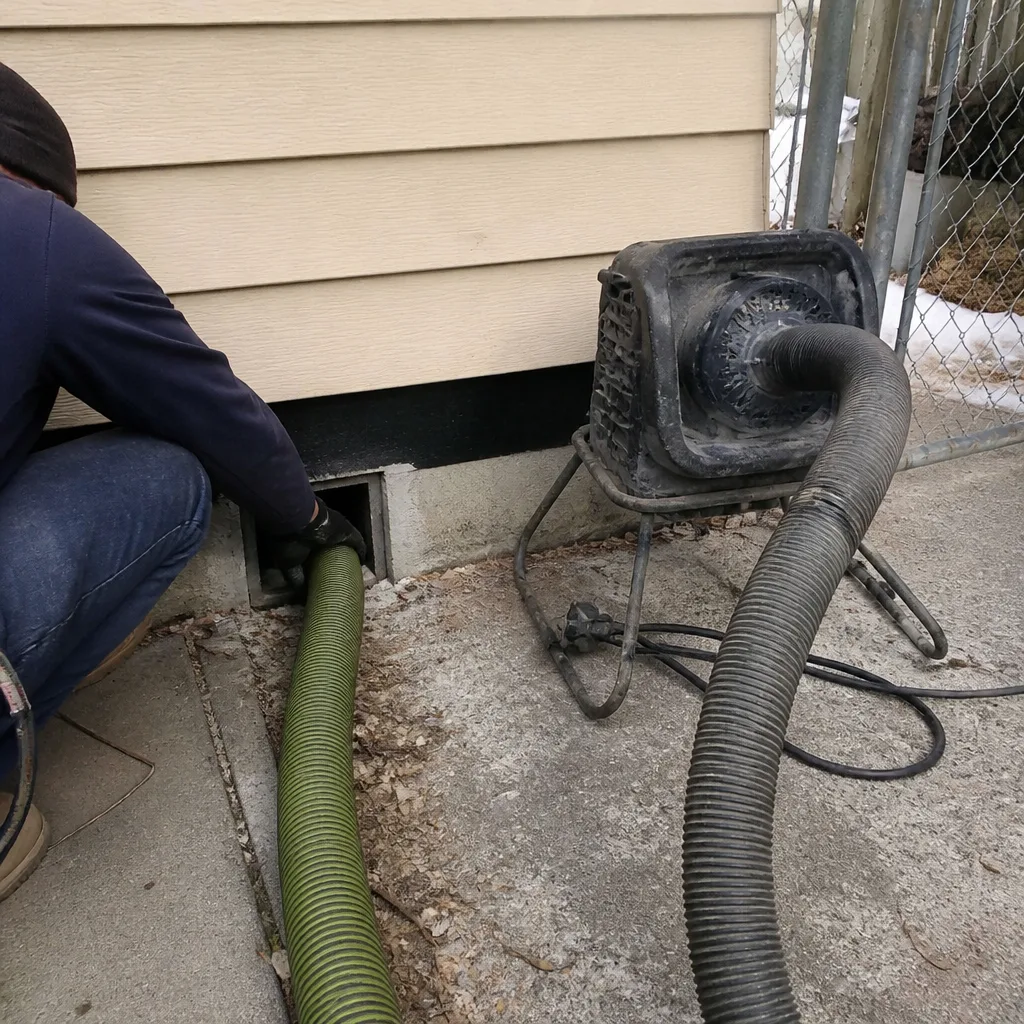 Before
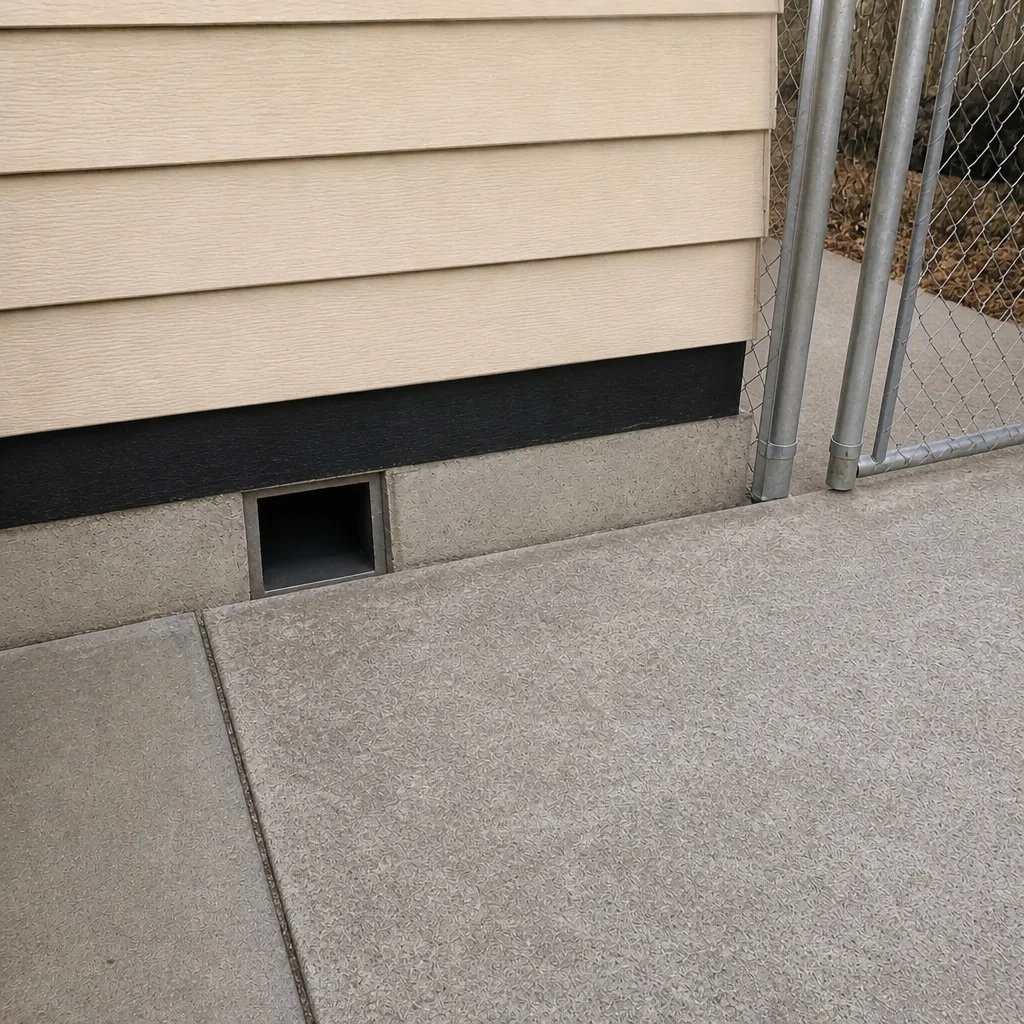 After
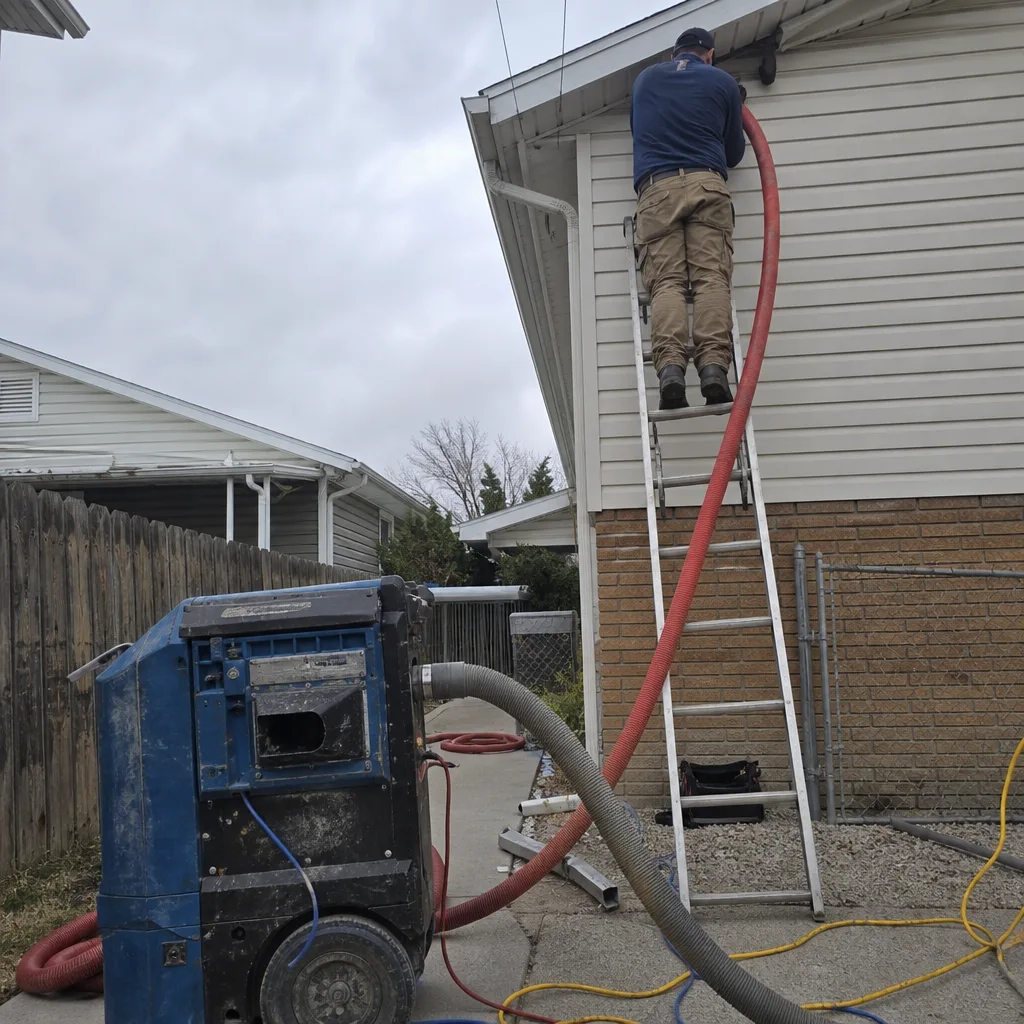 Before
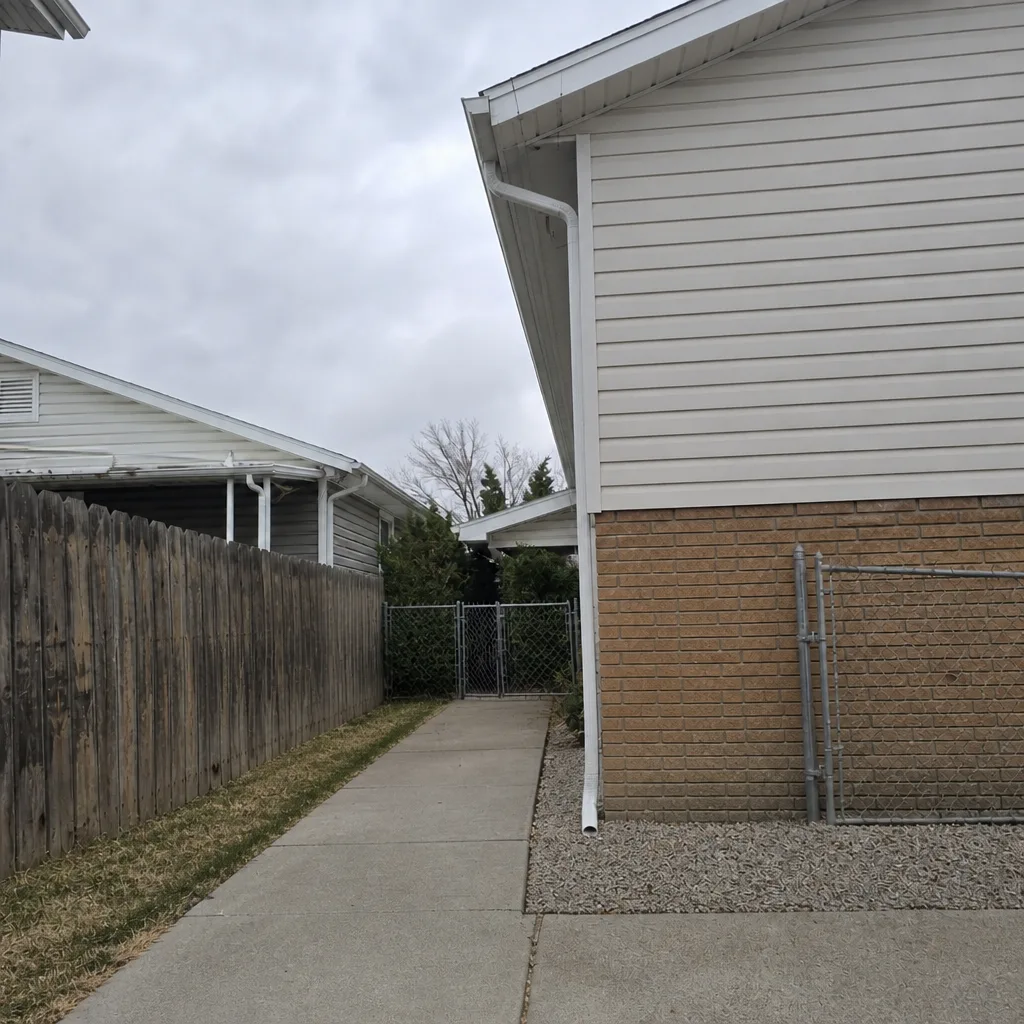 After
 Before
 After
When to Call a Professional
Some signs mean it’s time to schedule a cleaning. Others mean it’s time to call now. If you’re noticing musty odors when the system kicks on, visible dust clouds from registers, inconsistent airflow between rooms, or allergy symptoms that flare up at home and ease elsewhere, those are signals worth investigating. If you’ve recently finished a renovation, moved into a home with unknown duct history, or can’t remember the last time the ducts were inspected, an inspection is a reasonable starting point. If you see mold growth inside a register or water damage near the air handler, stop using the system and get it looked at before running it again. Ogden Air Duct Cleaning Pros offers free estimates in Ogden. Call (844) 564-2864. We answer 24/7. Fast dispatch from 7am to 7pm, Sunday through Friday.
Frequently Asked Questions
Whole-system air duct cleaning in Ogden typically runs in the mid-hundreds to low-four-figures depending on home size, number of runs, accessibility, and whether coil or plenum cleaning are included. One flat price per system, agreed before work starts, with the written estimate setting the final price. Call (844) 564-2864 for an exact quote – estimates are free.
Because the scope is smaller than it looks. A low quote often covers only visible registers and a superficial pass through the main trunk, leaving return lines, plenum, and coil untouched. Others are structured as bait-and-switch, where a coupon price turns into a much larger invoice once the crew is on site. The fix is an itemized quote that spells out exactly what’s included. Call (844) 564-2864 for an itemized estimate before you commit.
Ask about three things: the vacuum collection unit and its CFM rating, whether they use a rotary brush system like Rotobrush to agitate debris from duct walls, and whether the vacuum has HEPA-rated filtration to trap fine particulate. A contractor who can’t answer any of those questions in detail is likely using consumer-grade equipment.
Ask for the company’s NADCA member number, then look them up in NADCA’s online directory to confirm current membership. NADCA membership isn’t a license and isn’t state-issued, so a logo on a website doesn’t mean much until you’ve verified it independently.
Most Ogden homes benefit from a professional cleaning every three to five years, sooner if there’s been a renovation, pets, water intrusion, or noticeable airflow problems. Homes with allergy sufferers or heavy dust loads may want it more often. Filters should be changed on the manufacturer’s schedule regardless.
Before-and-after photos of your own ducts, taken during the job, are the standard. Ask before booking whether photos are included, and ask to see them at the end of the visit. Walkthrough rooms as the technician works, especially if you’ve asked for return lines and plenum to be included. Call (844) 564-2864 for a free estimate and to see our photo documentation process.
The Bottom Line
Hiring a duct cleaning contractor in Ogden is not a price shopping exercise. It’s a verification exercise. Ask about the equipment, look up the license, confirm the standard, and demand an itemized quote. Those four steps filter out nearly every bait-and-switch operation and leave you with a short list of contractors who can actually back up their claims. Ogden’s thin licensing requirements mean you have to do this work yourself, and it’s worth the two minutes each lookup takes. Once you’ve narrowed the list, ask for a written estimate with a flat price per system, photos as part of the scope, and a clear statement of what’s included. Then book.
Ogden Air Duct Cleaning Pros offers free estimates in Ogden. Call (844) 564-2864. We answer 24/7. Fast dispatch from 7am to 7pm, Sunday through Friday. Our technicians have up to 15 years of experience, and we use Rotobrush, Nikro, and Abatement Technologies equipment on the jobs where it makes a difference. We’d rather earn the job by answering your questions than skip the ones that matter.
Written by the team at Ogden Air Duct Cleaning Pros.