
Last updated November 25, 2026
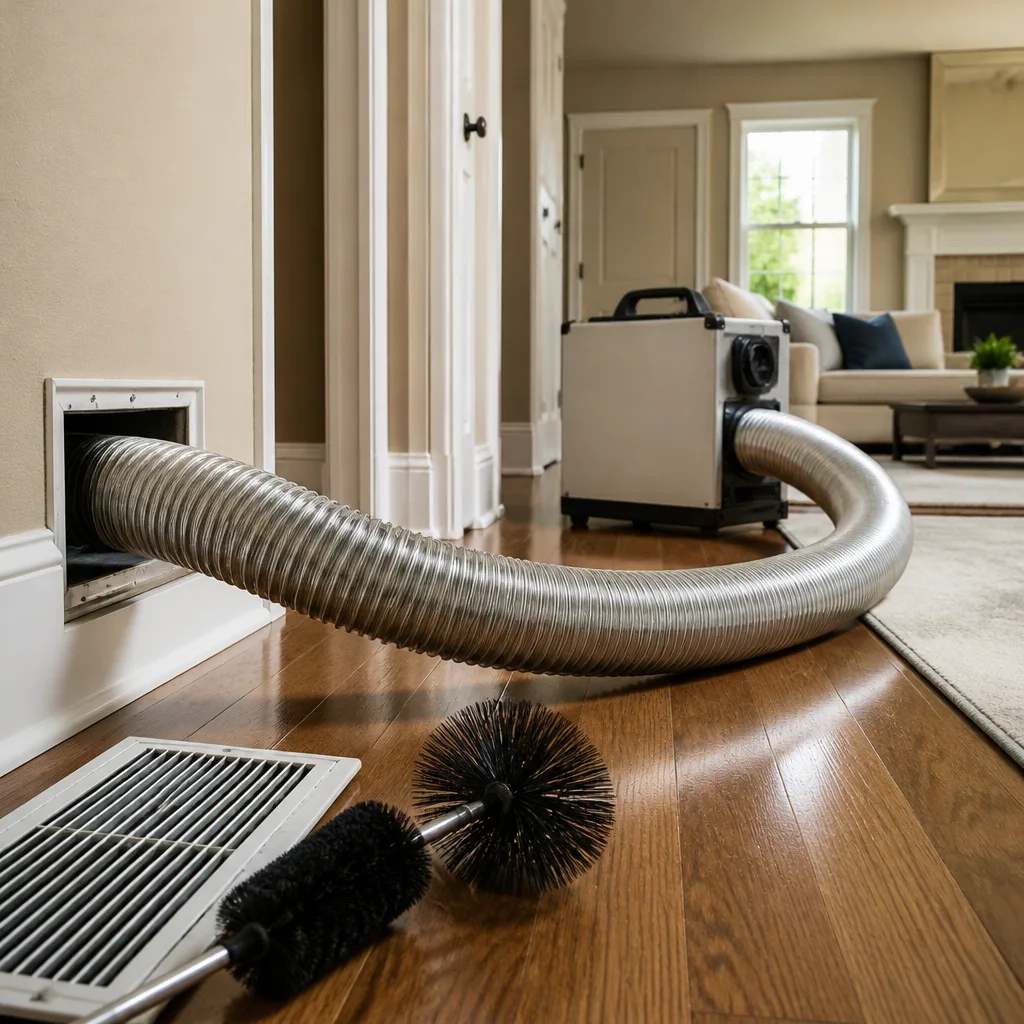 Whole-home duct cleaning
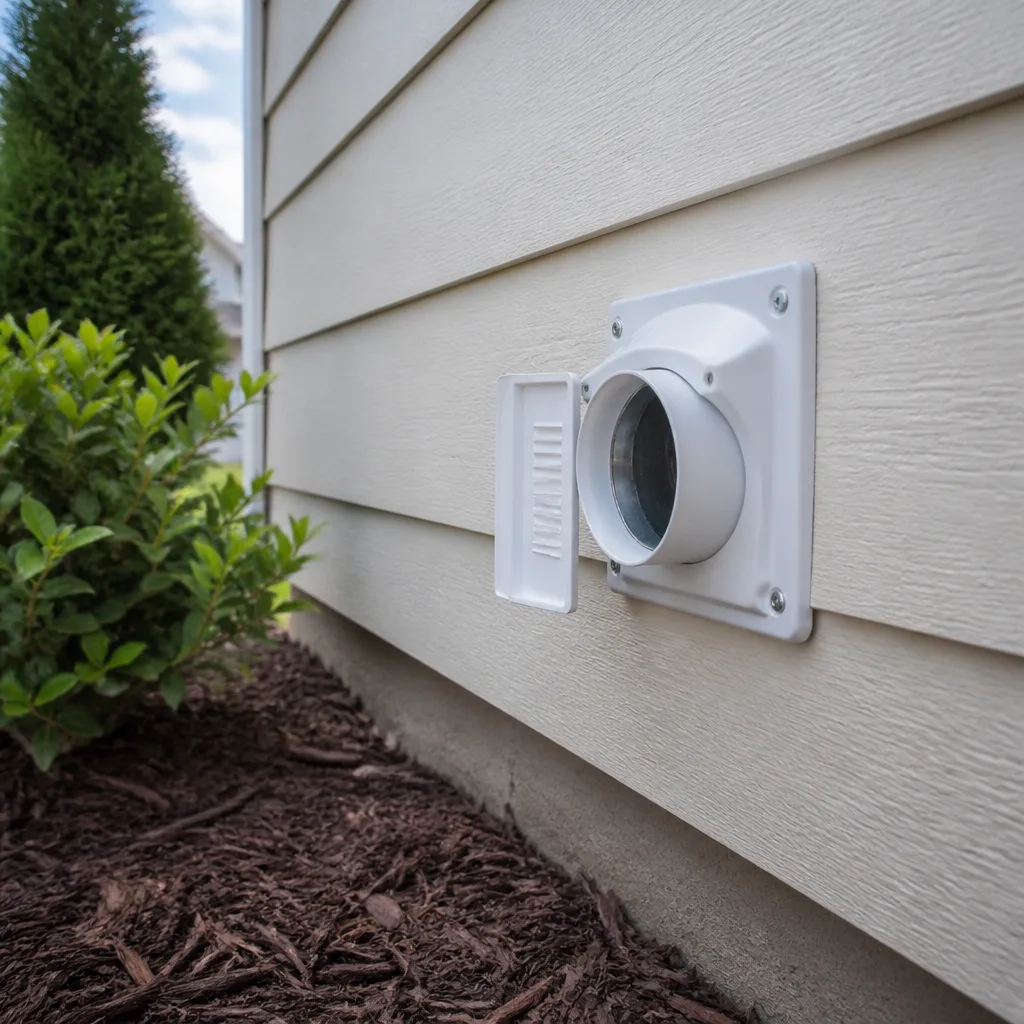 Dryer vent cleaning
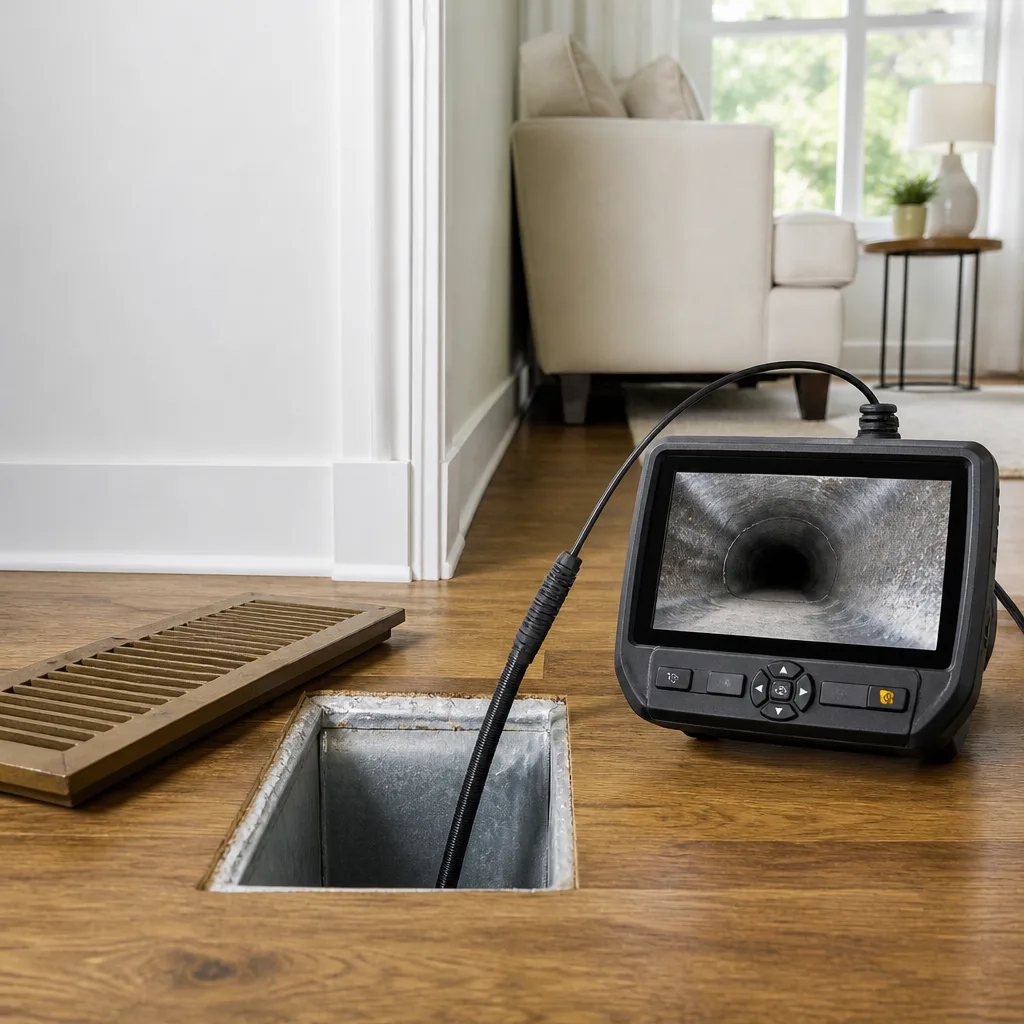 Camera inspection
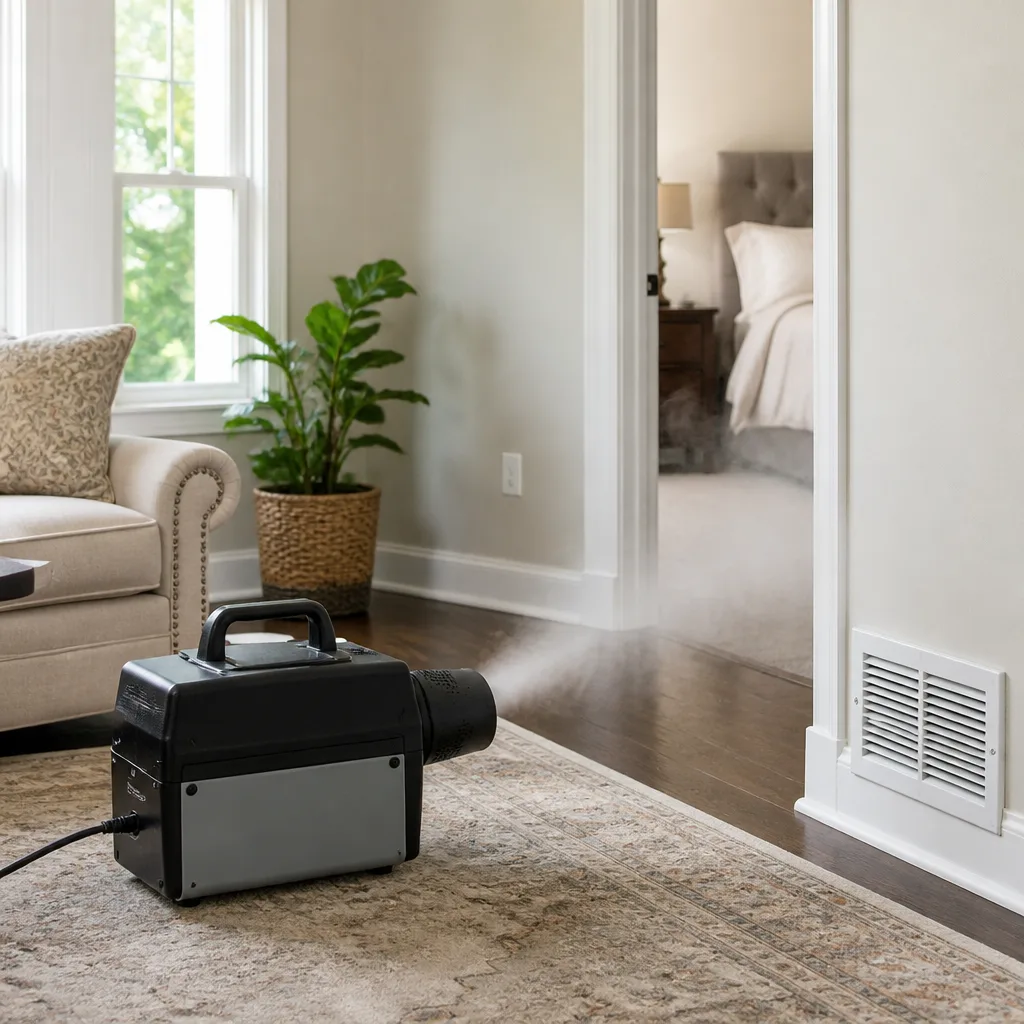 Sanitizing & deodorizing
Whole-system duct and dryer vent check with before-and-after photos - you see exactly what came out of your vents
That "$99 whole-house special" is a bait ad - the real number appears once they are in your hallway, or the "clean" is a shop-vac at the register. We photograph the inside of your ducts before and after instead.
Air Duct Cleaning Emergency Preparedness Guide for Ogden Homes
Most homeowners treat duct cleaning as spring cleaning for the air system – a nice-to-have, scheduled when someone remembers. That framing gets the timing exactly wrong. Your ducts and air handler sit downstream of every emergency northern Utah throws at a house: seismic shaking, weeks of wildfire smoke pressed against the windows, a power outage that stops the furnace mid-winter. The counterintuitive part is that switching the HVAC system back on right after an event can push settled debris, displaced insulation and moisture into rooms where people are breathing. This guide covers what to inspect first, how to respond to smoke and water events, what to document for insurance, and how a dated baseline report protects you in Ogden the next time something goes wrong.
Quick Answer
After an emergency in Ogden, inspect your ductwork and air handler before you run the HVAC system: check flex duct connections at the air handler and register boots for dislodging or cracking, and confirm the system is dry. Then have the duct interior cleaned and, where moisture is involved, sanitized – not just dried. Keep a dated inspection and cleaning report on file so you can document what “clean” looked like before any future event.
Styles & brands we work with
- Whole-home duct cleaning
- Dryer vent cleaning
- Camera inspection
- Sanitizing & deodorizing
Table of Contents
- Why Ogden’s Risk Profile Is Different
- Post-Earthquake Duct Protocol
- Wildfire Smoke Events: Recirculate, Shut Down or Wait
- Water Intrusion and the 48 – 72 Hour Mold Window
- Extended Power Outages and the Air Handler
- What to Document for an Insurance Claim
- Building a Pre-Emergency Baseline
- Common Mistakes to Avoid
Why Ogden’s Risk Profile Is Different
Ogden sits at the junction of three hazards that all end up inside the same air system. Seismic activity along the Wasatch Front is the most abrupt. Wildfire smoke is the most drawn-out – depending on how the fire season is running, the valley can hold a smoke layer for days or stretch into weeks, and submicron smoke particles ride straight through standard filters and settle inside ductwork. Extended winter power outages are the quiet one: a gas furnace that stops mid-cycle leaves condensation, and a house that sits without heat during a cold snap can develop moisture problems in the plenum and duct runs that nobody notices until spring.
Housing stock compounds all three. Much of Ogden’s older construction on the east bench and in neighborhoods closer to downtown was built with flex duct and sheet-metal systems that have already been remodeled, patched and reconnected more than once. Joints that were tight in the 1970s may have moved, loosened or been taped with materials that have hardened and cracked. Older register boots in walls and floors are usually the weakest point in the whole path, and they’re exactly where seismic shaking and smoke infiltration show up first.
If your system hasn’t been inspected in years, start with the fundamentals before you build any emergency plan. A baseline air duct cleaning service with a written report gives you something to compare against when an event hits.
Post-Earthquake Duct Protocol: What to Check Before Restarting HVAC
After any seismic event, do not turn the HVAC system back on until you’ve walked the air pathway visually. Shaking can displace duct insulation, open flex duct joints at the air handler, dislodge register boots from their openings, and pull debris out of the air handler cabinet. Running the blower first simply redistributes that material through every room.
Work through this checklist in order:
- Shut the system off at the thermostat and the breaker. Confirm nothing is running before you start the inspection.
- Inspect the air handler cabinet. Open the access panel and look for visible debris, loose insulation or anything that has shifted. If you see material touching electrical components or the blower, stop and call a professional.
- Check flex duct connections at the air handler. Flex duct that has pulled loose from its collar, torn, or slipped a clamp will pull attic or crawlspace air into the system – often the biggest post-earthquake problem in Ogden homes.
- Check register boots. Boots that have separated from the wall or floor opening leave a gap between the duct and the room. In older Ogden construction these are the first components to fail.
- Look for displaced insulation. Duct wrap or interior liner that has come loose will end up distributed through the system if you restart.
- Smell the air in the return plenum before restarting. A musty or chemical smell suggests moisture or material damage inside the system.
If any component has moved, separated or torn, the system should be professionally assessed before it runs again. Visible damage on the surface usually means there’s material inside the ducts you can’t see.
Wildfire Smoke Events: When to Recirculate, Shut Down or Wait
During a heavy smoke event in Ogden, the right move depends on your system and your filter. Recirculation mode (with the fresh-air intake closed) is usually the better choice during active smoke, because a system that pulls outdoor air pulls smoke with it. Running the fan continuously with a properly sized filter keeps indoor air moving through the filter and reduces infiltration by keeping the house under slight positive pressure.
Shut the system down entirely if any of the following apply:
- Your filter is basic fiberglass or a low-MERV pleated – smoke particles pass through and the filter loads up fast without helping.
- You can smell smoke at the returns – that means smoke is getting into the return plenum from an unsealed attic or crawlspace connection.
- The system is pulling air from an outdoor intake you can’t close.
- Someone in the house has significant respiratory sensitivity and the smoke layer is heavy.
Once the event passes, the air system needs an inspection, not just a filter swap. Submicron smoke particles penetrate deeper than most people assume and settle inside duct walls and the air handler, where a filter change doesn’t touch them. Post-event inspection should include the inside of the air handler, the return runs, and the branch lines served by each register. Abatement Technologies negative-air containment is the standard we use to keep those contaminants captured during cleaning rather than pushed into the living space.
Filter upgrades matter here too. Honeywell and Aprilaire filtration products are what we recommend when the goal is a higher-MERV filter that the blower can still handle – and if you want to review the mechanical cleaning side of the response, the HVAC cleaning service covers the air handler and coil assembly where smoke accumulates.
Water Intrusion and the 48 – 72 Hour Mold Window
Wet ductwork is a different emergency than smoke or seismic damage, and the clock runs fast. Mold can begin establishing in wet ductwork within 48 to 72 hours of water exposure. That window is the entire reason flood response for HVAC systems has to happen immediately – not by the end of the week.
Water reaches ductwork in a few common ways: a roof leak that follows a duct chase, a sump or plumbing failure that soaks a crawlspace, a condensate drain failure at the air handler in summer, or a burst supply line that sprays into a wall cavity where a return duct is running. In any of these, the duct interior is wet whether or not you can see water.
Drying alone is not a cleaning. Air movement will remove surface moisture, but biological growth that has already started on the duct liner, insulation or coil surface stays in place. The correct sequence is:
- Stop the water source and shut off the HVAC system.
- Photograph everything before any work begins – water lines, wet materials, the source.
- Dry the affected area with air movers to prevent structural damage.
- Open and inspect the duct interior and air handler. If liner or insulation has been wet, it typically has to be removed and replaced, not dried.
- Mechanically clean the affected runs with rotary-brush and HEPA extraction equipment.
- Apply a post-clean sanitizing treatment to the duct interior. Guardsman sanitizing products are what we work with on the biological side.
- Get a post-clean air quality reading if one is available – it becomes part of your insurance documentation.
If water got into the system and it’s been more than a couple of days, do not run the HVAC to “dry things out.” That just spreads what’s growing.
Extended Power Outages and the Air Handler
A multi-day power outage in winter is the most common HVAC emergency in Ogden that people don’t think of as an air duct problem. The furnace stops, condensation forms in the plenum and ductwork, and the house sits unheated for days. When the power returns, the system gets switched back on without anyone checking whether anything happened inside while it was off.
A short checklist before restarting after an outage:
- Look in the air handler cabinet for condensation, ice or water staining around the blower and on the coil.
- Check the filter. A cold, damp house can load a filter faster than you’d expect.
- Smell the return before starting the fan. A musty smell signals moisture problems inside.
- Watch the first fifteen minutes of operation. Strange noises, rattling or a musty smell coming from registers means shut it down and inspect further.
- Don’t run the system with a wet duct. Moisture in the system plus warm air is the worst combination for biological growth.
If the outage was long and the house got genuinely cold, a professional post-outage inspection is worth the appointment. The concern is the interior surface of the ducts and the air handler cabinet, not the visible equipment.
What to Document for an Insurance Claim After an HVAC Emergency
Insurance claims for duct contamination damage go wrong for one reason: the homeowner can’t show what the system looked like before the event. Build the documentation habit now and the claim process later gets much simpler.
Collect the following after any event that affects your HVAC system:
- Photos before any cleanup. Shoot the source of the damage, the affected materials, the water line on any surface, the air handler and every register in the affected area.
- A dated written description of what happened – smoke duration, water depth, outage length, seismic time and date – kept on your phone as a note is sufficient.
- Receipts and records for any emergency work, filter changes, temporary repairs.
- A professional inspection report describing what was found and what work was recommended.
- Pre- and post-cleaning air quality readings if they’re available. These are the single most useful piece of documentation for a contamination claim, and most homeowners never ask for them.
- A dated post-cleaning report that describes what the system looked like after cleaning.
For landlords and property managers in Ogden, this documentation is also the tenant air-quality paper trail. If a resident has raised a concern, having the inspection and cleaning report on file answers it.
Building a Pre-Emergency Baseline for Your System
The strongest position after an emergency is to already have proof of what “clean” looks like for your specific system. A dated post-cleaning report establishes the starting condition. Without one, a contamination claim becomes a conversation with no reference point.
What a useful baseline includes:
- A dated inspection report noting the condition of every accessible duct run, the air handler and the coil.
- Before-and-after photos of the duct interiors of the system as it was cleaned.
- Air quality readings taken post-clean, with the date and equipment.
- The duct materials inventory – which runs are flex, which are sheet metal, which have liner, where the boots are.
- The dryer vent status, since a dryer vent emergency is a separate documentable system. dryer vent cleaning with a written record closes that loop.
The two best times to build a baseline: right after you move in, and right after any event that required cleaning. Each creates the reference point for the next one.
Same-Day Response and What Happens When You Call
We answer 24/7. A call outside dispatch hours is booked into the next opening, Sunday through Friday, 7am to 7pm. Fast dispatch from 7am to 7pm, Sunday through Friday. Call (844) 564-2864.
The estimate is free and the price is set per job by the written estimate. One flat price per system, agreed before any work starts. Before-and-after photos of your own ducts come with the job, so you have documentation for your records and your insurer.
Common Mistakes to Avoid
- Turning the HVAC back on before inspecting. The first thing to do after a seismic event is look inside the air handler and at flex duct connections – not restart the fan. Running the system moves settled debris into living spaces.
- Drying wet ductwork and calling it done. Air movers remove surface moisture. They don’t clean the interior or address what’s already growing. Wet liner and insulation typically need to come out.
- Relying on a filter change to fix smoke infiltration. Smoke particles settle inside the duct walls and air handler. A new filter traps what’s airborne, not what’s already settled.
- Hiring whoever quotes the lowest number. In our experience, quotes that don’t include containment, rotary-brush agitation and HEPA extraction aren’t comparable to quotes that do. Ask what equipment is used before you compare prices. Most residential cleaners in the Ogden area don’t carry Abatement Technologies or comparable negative-air containment.
- Not documenting before the cleanup. Photos taken after the cleanup don’t help an insurance claim. Take them at the moment you discover the damage, before anyone touches anything.
- Skipping the baseline report. A clean system with no written record is indistinguishable from a dirty system with no written record when a claim is filed.
- Ignoring the dryer vent after a water event. A wet dryer vent is a fire risk once it dries with lint in it. It goes on the post-emergency inspection list too.
See the difference
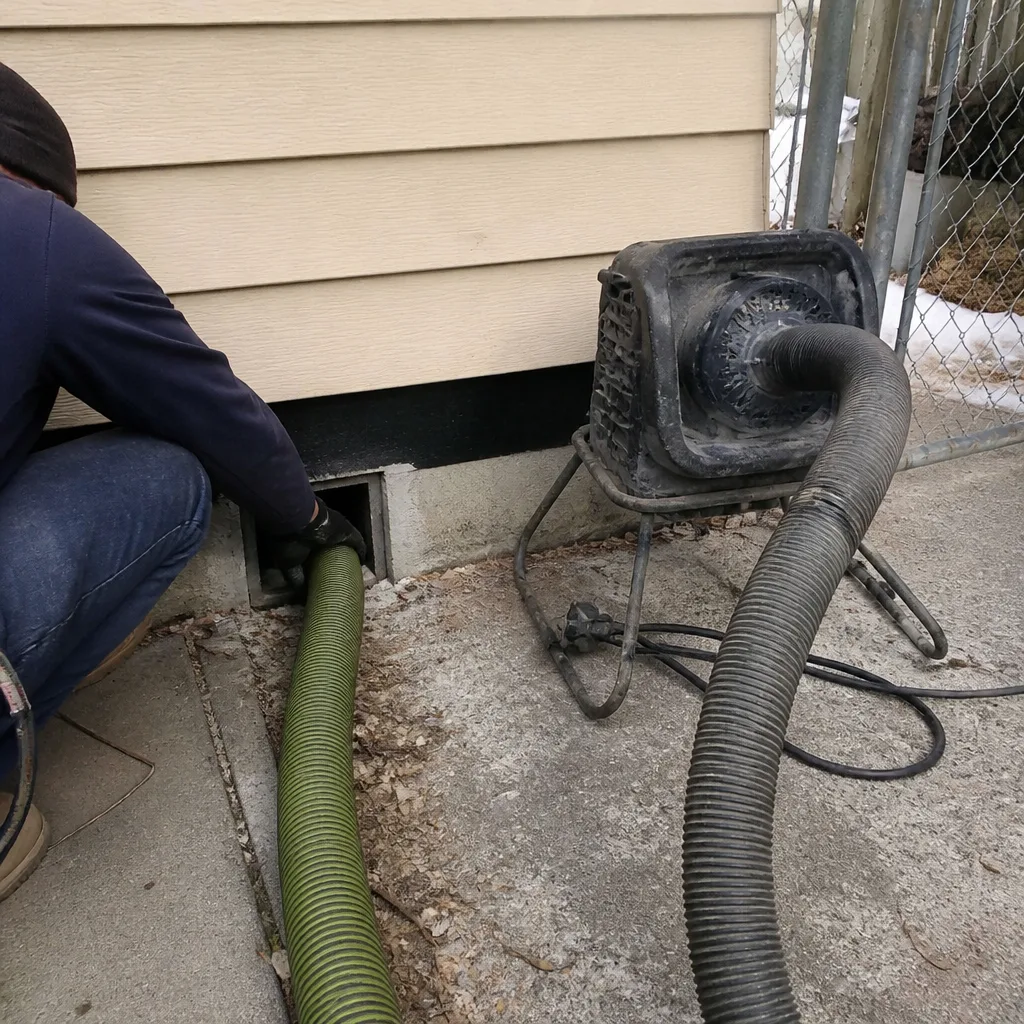 Before
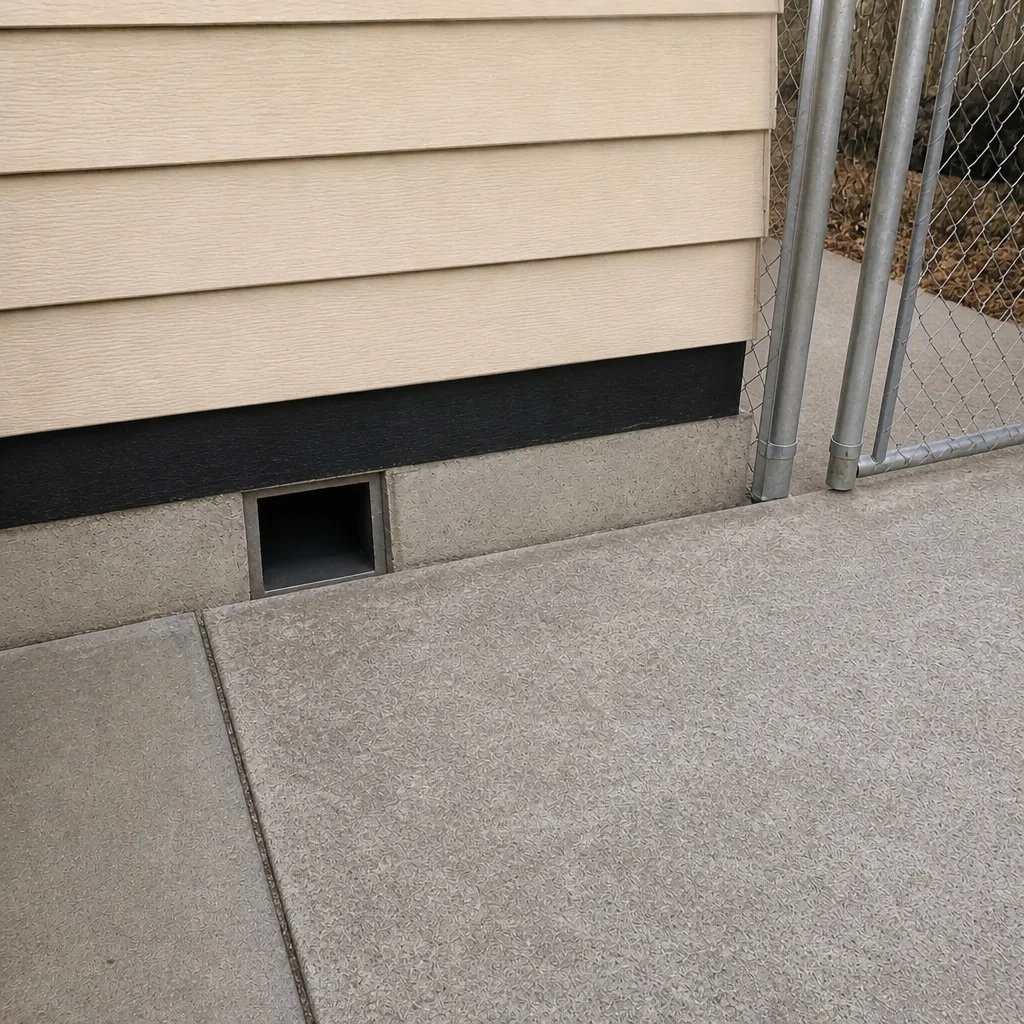 After
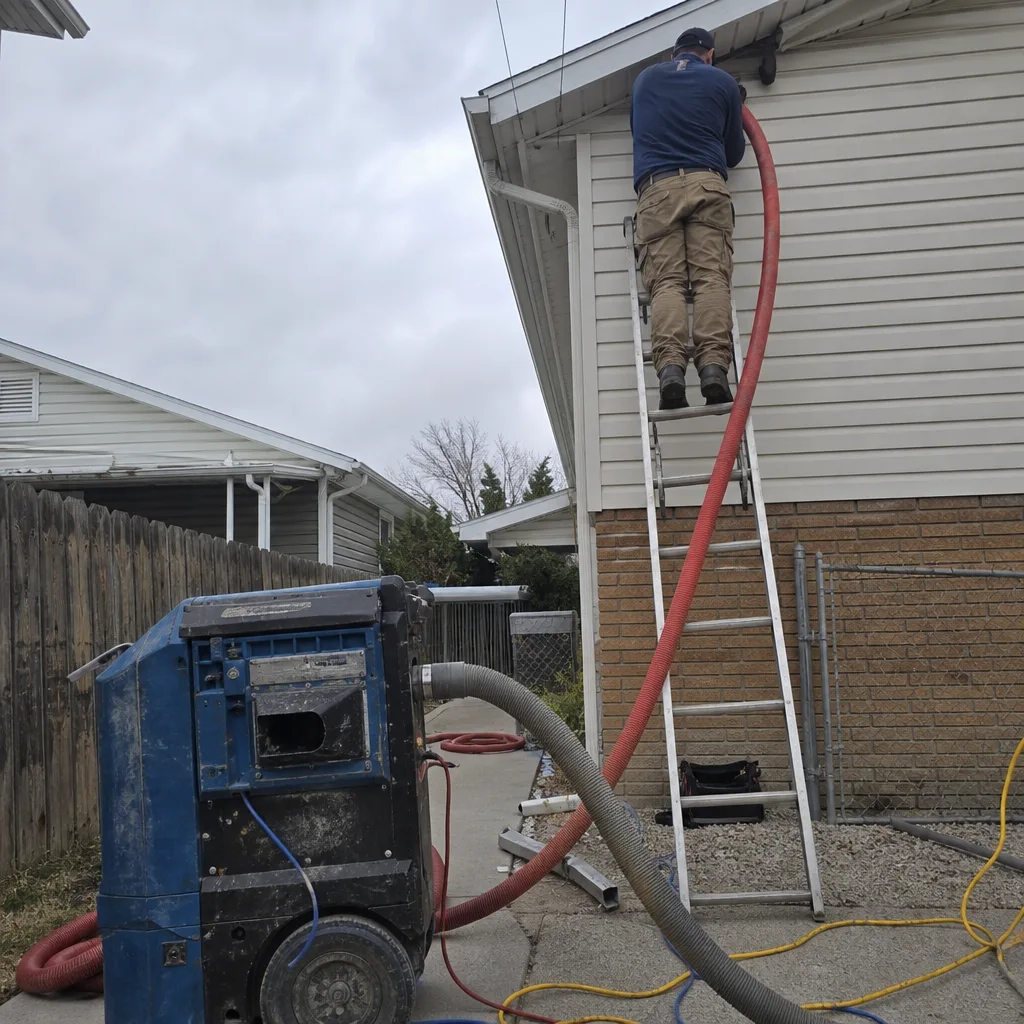 Before
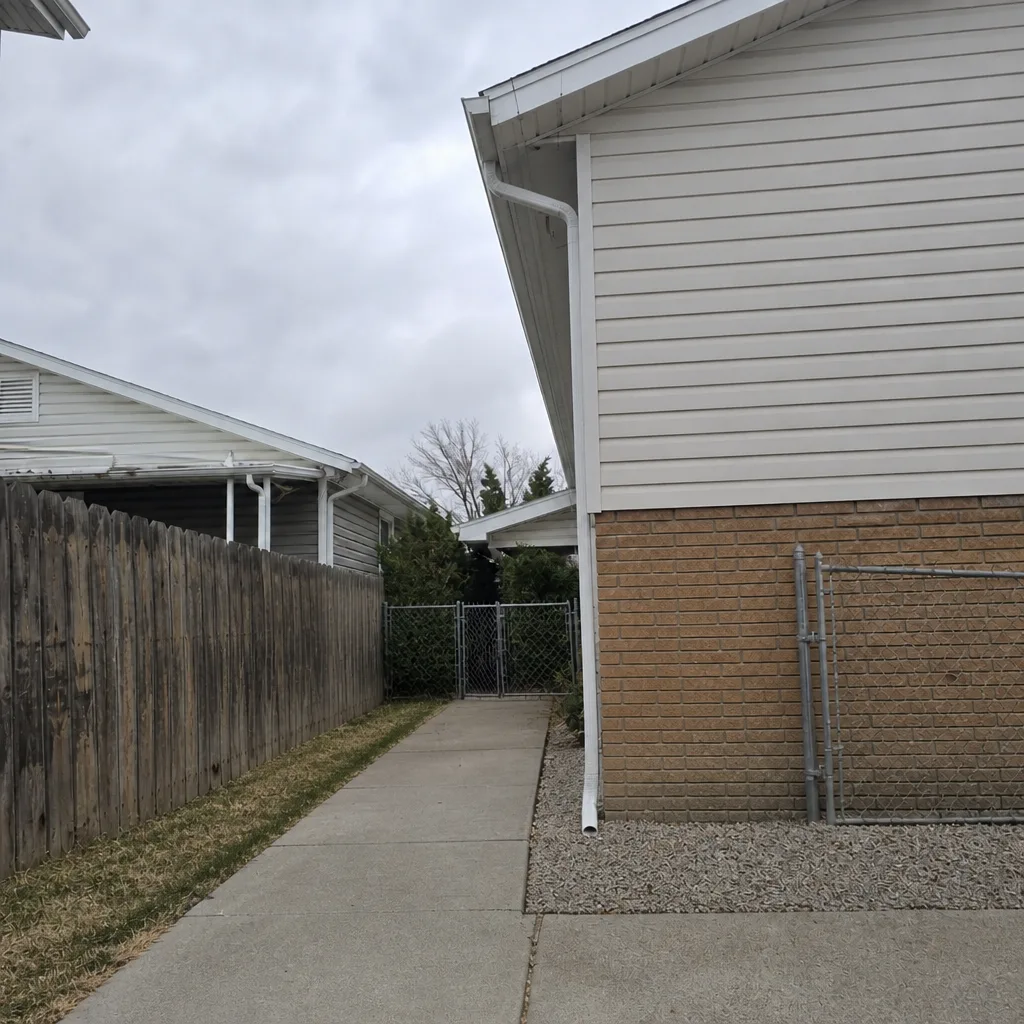 After
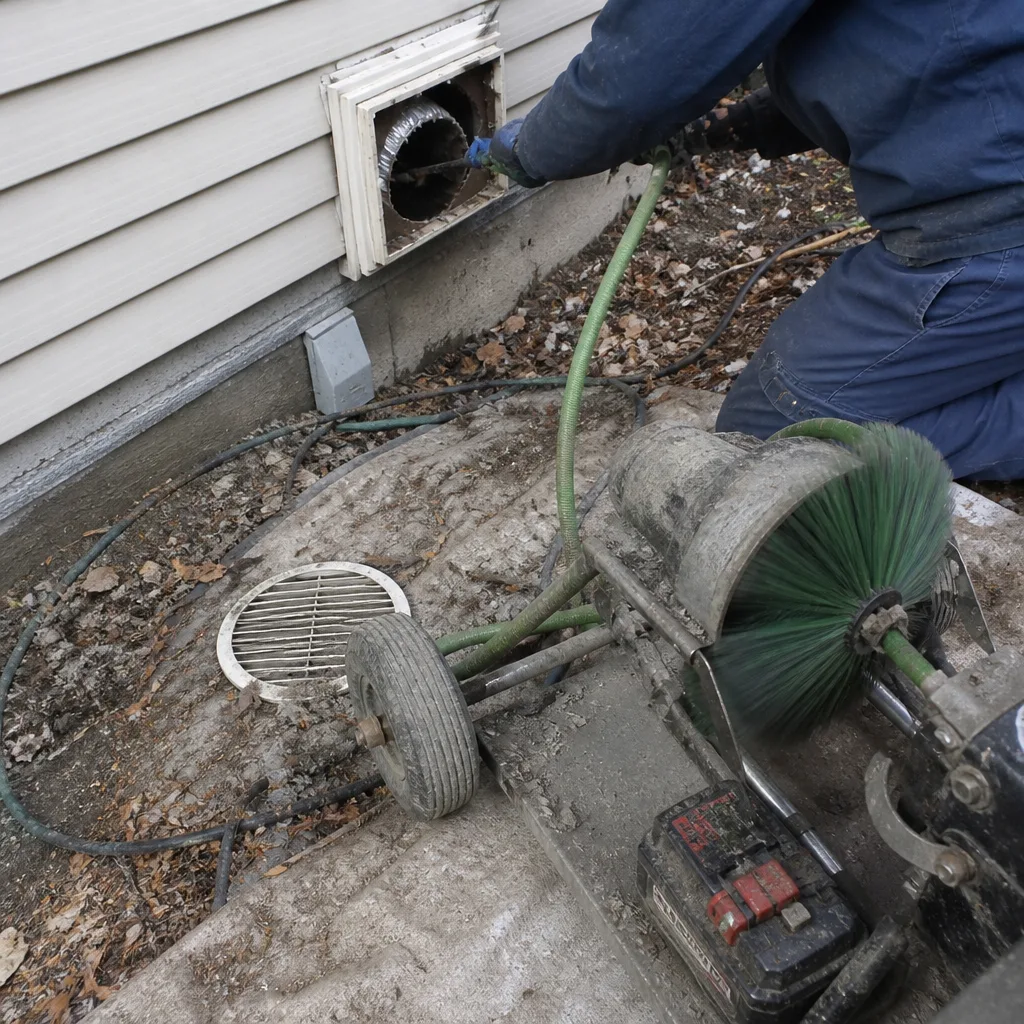 Before
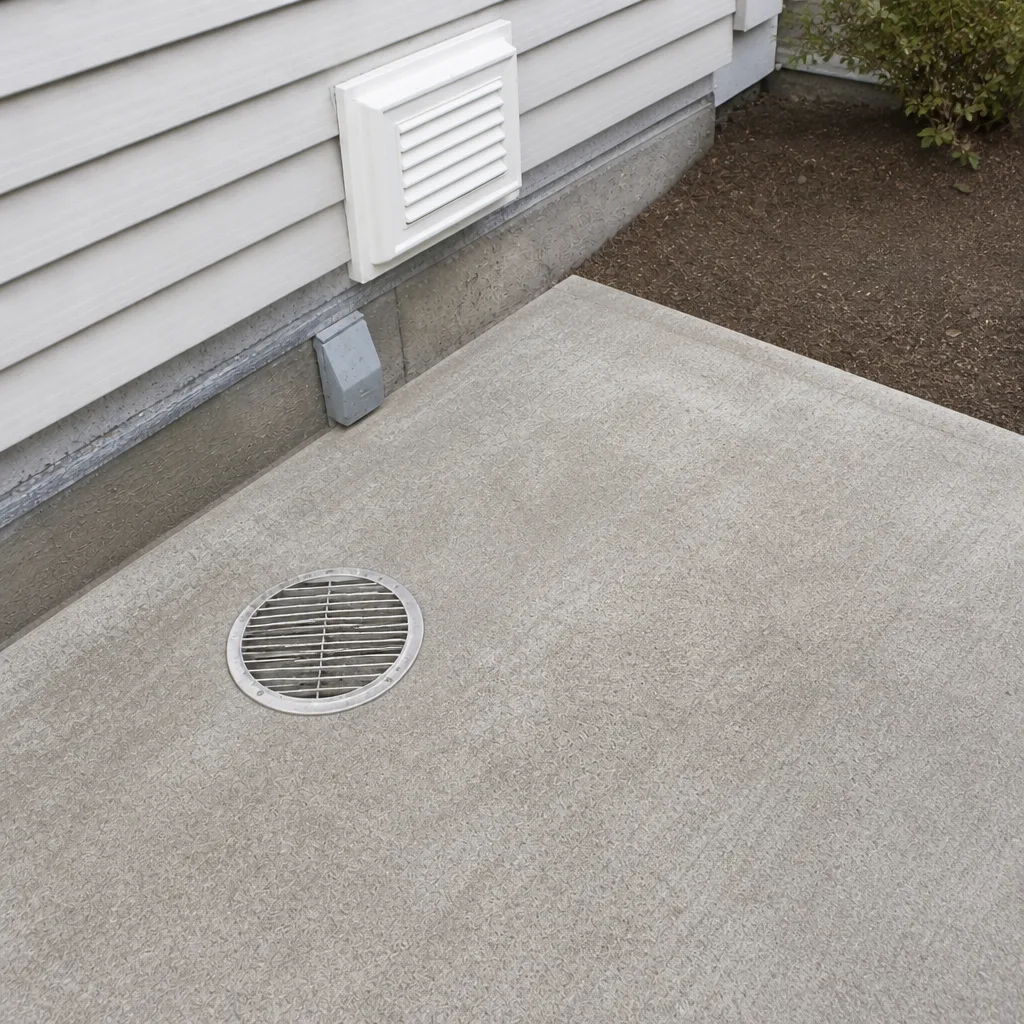 After
When to Call a Professional
Call a professional if any of the following apply: your HVAC system was running when a seismic event hit, or you can see displaced insulation, torn flex duct or a separated register boot; you’ve had wildfire smoke inside the house for more than a few hours and your filter is less than MERV 11; water got into the air handler, ductwork or crawlspace where duct runs are; your power was out for more than 24 hours in winter; you smell musty air at the returns; or you’re filing an insurance claim and need a professional inspection report. Ogden Air Duct Cleaning Pros offers free estimates in Ogden – call (844) 564-2864. We answer 24/7, fast dispatch from 7am to 7pm, Sunday through Friday. The professional we connect you with is licensed and insured as the state requires, and uses Rotobrush rotary-brush and Nikro HEPA extraction equipment with negative-air containment so contaminants come out rather than distribute through the house.
Frequently Asked Questions
Before you turn the HVAC system back on. Visual inspection of the air handler cabinet, flex duct connections and register boots comes first; a professional inspection should follow within days if any component looks displaced. Running the blower before you’ve checked is the most common mistake we see after a seismic event in Ogden.
Coverage depends on your policy and the cause of the damage, so check with your insurer directly. What you can control is documentation: dated photos, a written description of the event, and a professional inspection report make a claim far stronger than an undocumented request.
Usually yes, in recirculation mode with the fresh-air intake closed and a properly sized filter installed. Shut the system down if you can smell smoke at the returns, the filter is basic fiberglass, or the outdoor intake can’t be closed. Once the smoke clears, have the duct interior inspected – not just the filter changed.
No. Drying removes surface moisture but does not clean the duct interior or remove biological growth that can start establishing within 48 to 72 hours. Wet liner and insulation generally have to be removed and replaced, then the duct interior cleaned mechanically and treated with a sanitizing product.
It establishes a dated record of what “clean” looks like for your specific system. If a future smoke event, flood or seismic incident contaminates the system, that report is your reference point for what happened – which is what an insurer needs to evaluate a claim.
You can, but check what they include first. Ask whether the price includes negative-air containment, rotary-brush agitation and HEPA extraction, and whether before-and-after photos of your own ducts are provided. A quote that doesn’t include those steps isn’t comparable to one that does, regardless of what the top-line number says.
The Bottom Line
Emergency readiness for your air system starts before the emergency. Inspect the air handler, flex duct connections and register boots before restarting HVAC after a seismic event. Recirculate during a smoke event only if your filter and returns can handle it, and inspect the duct interior afterwards. Treat wet ductwork as a 48-to-72-hour clock, not a drying job. Document everything before any cleanup starts, and build a dated post-cleaning baseline so the next event has a reference point. In Ogden, those four habits cover most of what actually goes wrong. See the Ogden Air Duct Cleaning Pros. Call (844) 564-2864 for a free estimate. We answer 24/7, fast dispatch from 7am to 7pm, Sunday through Friday.
Written by the team at Ogden Air Duct Cleaning Pros.