
Last updated November 25, 2026
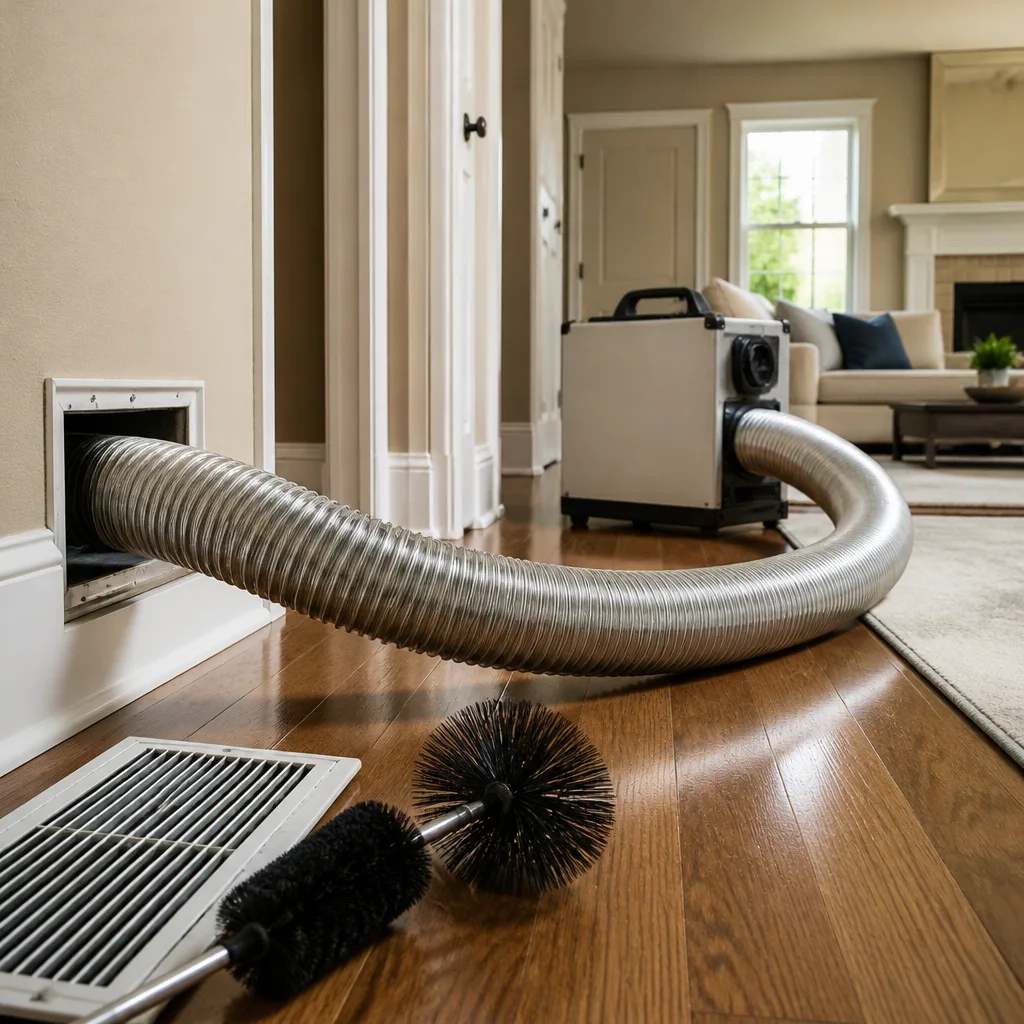 Whole-home duct cleaning
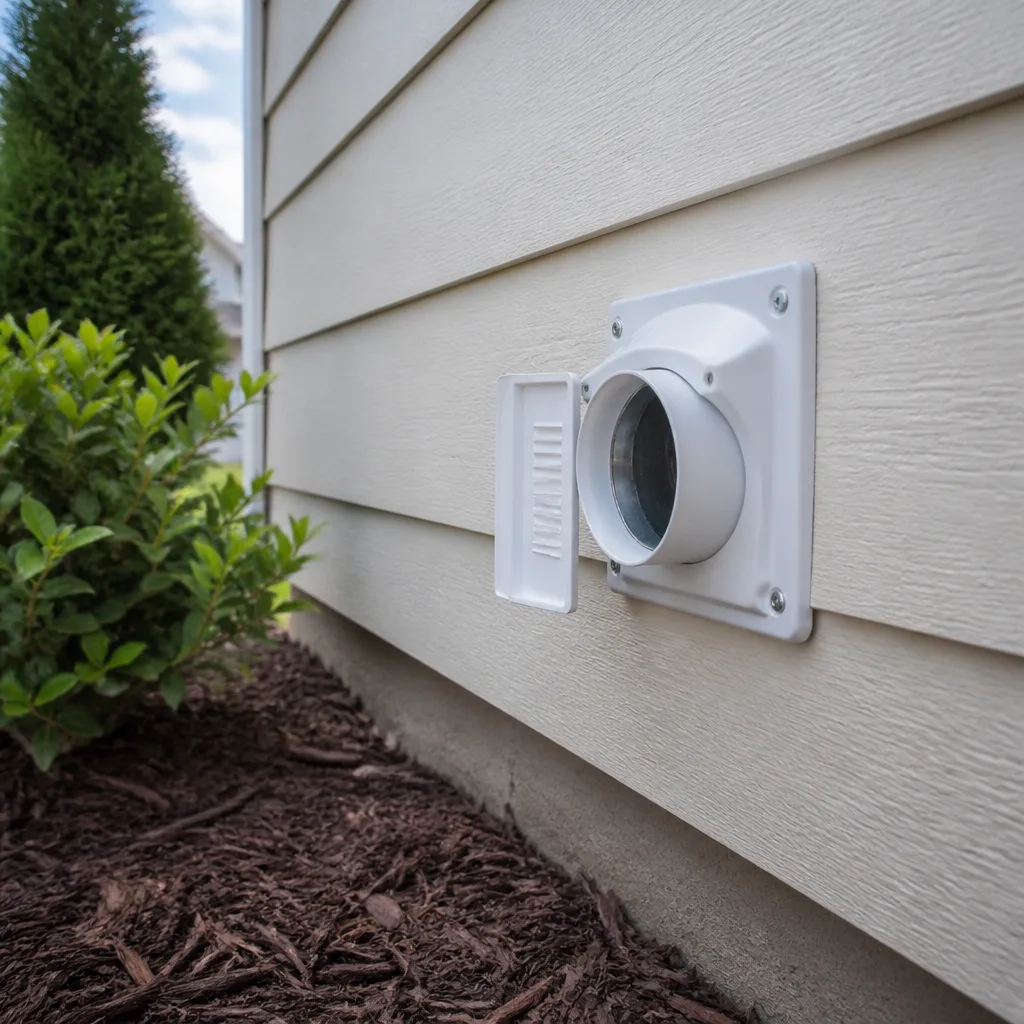 Dryer vent cleaning
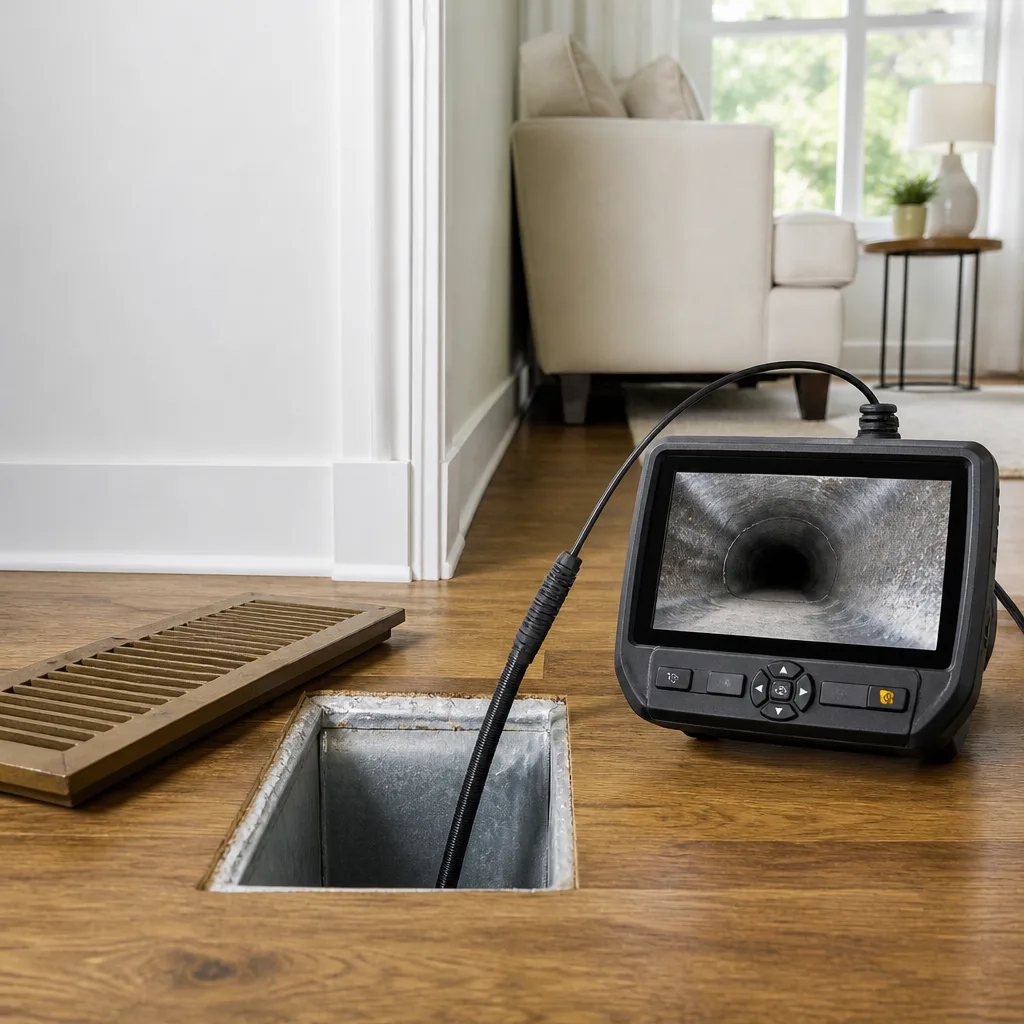 Camera inspection
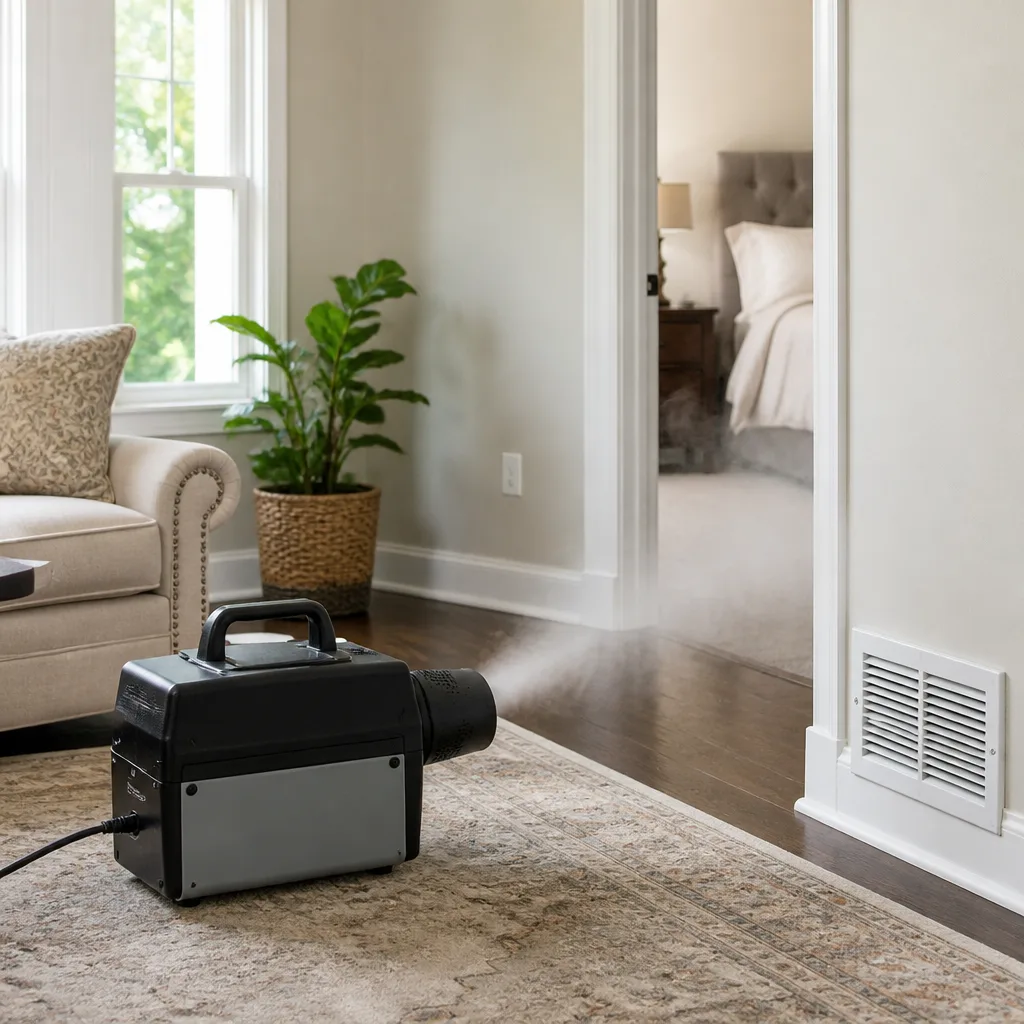 Sanitizing & deodorizing
Whole-system duct and dryer vent check with before-and-after photos - you see exactly what came out of your vents
That "$99 whole-house special" is a bait ad - the real number appears once they are in your hallway, or the "clean" is a shop-vac at the register. We photograph the inside of your ducts before and after instead.
Air Duct Cleaning Maintenance Schedule: What to Do and When
Most homeowners treat duct cleaning as a one-time event: book it, forget it, maybe think about it again in five years. That approach misses how ducts actually load up. The EPA’s oft-cited “every 3 to 5 years” guidance was written without accounting for homes with pets, recent renovations, or the high-desert dust loads we deal with along the Wasatch Front. In a place like Ogden, a house with two dogs and a woodshop in the garage can hit the same debris threshold in half that time. What follows is a layered maintenance calendar: what you can check yourself each month, what needs a camera and professional equipment, and the triggers that override the schedule entirely.
Quick Answer
In Ogden, most homes need a full-system duct cleaning every 2 to 4 years, with a visual inspection once a year and filter checks every 1 to 3 months depending on pets, occupancy, and nearby construction. Dryer vents should be cleaned at least once a year, and more often in high-use winter months. Renovation debris, rodent activity, water intrusion, or a new pet reset the clock regardless of where you are on the calendar.
Styles & brands we work with
- Whole-home duct cleaning
- Dryer vent cleaning
- Camera inspection
- Sanitizing & deodorizing
Table of Contents
- Why “Every 3 to 5 Years” Doesn’t Fit Ogden Homes
- The Month-by-Month Maintenance Calendar
- Ogden’s Inversion Season and the Return-Air Problem
- Triggers That Override the Calendar
- Where Dryer Vent Cleaning Fits on the Same Calendar
- How to Log Duct Condition and Make Data-Driven Decisions
- Self-Check vs. Technician Check: What You Can and Can’t Assess
- Common Mistakes to Avoid
Why “Every 3 to 5 Years” Doesn’t Fit Ogden Homes
The 3-to-5-year figure gets repeated everywhere, and it’s not wrong so much as underspecified. It assumes an average home with average occupancy in an average climate. Ogden is not average on any of those counts. The city sits in a high-desert basin where fine dust from the surrounding benchlands and valley floor moves constantly, and winter inversions trap particulate matter against the mountains for weeks at a stretch. That dust doesn’t stay outside. Your HVAC system pulls it in through the return side every time the fan runs.
Layer household variables on top of the geography and the base interval shifts quickly:
- Pets: One shedding dog or cat can double the rate debris accumulates in return ducts. Two or more, and annual cleaning becomes reasonable.
- Occupancy: A family of six generates more skin cells, hair, and fabric fiber than a retired couple in the same square footage.
- Renovation history: Drywall dust, sawdust, and insulation particles are far finer than typical household debris and settle deep in the system. A kitchen remodel resets the clock even if you cleaned last spring.
- Filtration quality: A basic fiberglass filter catches large particles and lets the rest pass. A pleated filter rated appropriately for your system’s airflow captures far more before it reaches the ducts.
- System design: Homes with long return runs and multiple flex-duct branches collect debris in more places than a compact single-story layout.
This is why we don’t hand out a single cleaning interval. Our technicians have up to 15 years of experience and the honest answer in most Ogden homes is a range, not a number. The calendar below is how you narrow that range based on what’s actually happening in your house.
The Month-by-Month Maintenance Calendar
Think of duct care as a year-round rhythm rather than an annual event. Some months are for filter checks and visual sweeps, others are for professional inspection. Here’s how we’d map it for a typical Ogden home with pets or allergy-sensitive occupants. Adjust for your household, but keep the cadence.
- January: Check the filter. Peak heating season means the system runs constantly and pulls inversion-season particulate through the return. Replace or clean per your filter type.
- February: Inspect supply registers for dust streaks or dark staining around the edges. Visible streaking often points to a sealing gap where duct meets register boot.
- March: Walk the basement or crawlspace and look for disconnected flex duct, sagging runs, or visible debris accumulation near the air handler.
- April: Filter check. Spring wind brings fine dust and pollen into the return side as windows open and outdoor air exchange increases.
- May: If you’re planning a summer remodel, schedule any planned duct work or sealing before demolition begins to limit debris intake.
- June: Filter check. Cooling season starts and the system shifts to a different airflow pattern; return-side loading often peaks here.
- July: Visual inspection of the outdoor condenser area and the air handler closet for moisture or condensate issues that can feed microbial growth in the system.
- August: Filter check. Dry summer conditions mean higher dust movement from yards and unpaved areas.
- September: The ideal window for a professional full-system cleaning or inspection before the heating season begins.
- October: Filter check. As the furnace comes on for the first time, expect a dust smell for the first few days; a full-system HVAC cleaning resolves it faster.
- November: Inversion season typically begins. Filter check tightens to every 4 to 6 weeks if you’re sensitive to particulate.
- December: Dryer vent check, especially if your dryer runs frequently through the holidays. Filter check on schedule.
That’s the baseline. In homes with heavy pet load or health concerns, we tighten the filter interval to monthly and move the professional cleaning to every 2 years.
Ogden’s Inversion Season and the Return-Air Problem
From roughly November through February, cold air settles into the Ogden Valley and the Wasatch Front basin, trapping warmer air and particulate matter underneath. The visible haze is the obvious part. The less obvious consequence is what happens inside your house. When outdoor particulate concentrations rise, your HVAC system’s return side does exactly what it’s designed to do: it pulls air in from the living space and circulates it. Whatever is suspended in that air gets drawn toward the filter and, if the filter isn’t rated for it, into the duct system.
Inversion season doesn’t just mean more dust. It means finer, more persistent particulate that accumulates in duct interiors and on the air handler components over weeks. Two consequences of that:
- Filter loading accelerates. A filter that lasts 3 months in July may load fully in 6 weeks during a hard inversion. Check it more often and change it when airflow drops.
- Interior loading accelerates. The duct walls accumulate fine particles that are invisible from the register but measurable when a technician runs a camera through.
What you can do without equipment: upgrade to a filter rated for fine particulate if your system’s blower can handle the added resistance (check with a technician first, since a filter too restrictive for your system causes more problems than it solves) and check the filter more frequently between November and February. What needs professional equipment: a camera inspection of the return trunk and branch runs, and a full-system cleaning if the accumulation is significant. That’s the work we do with Rotobrush rotary-brush agitation and Nikro HEPA extraction, and the difference between mechanical cleaning and a quick vacuum pass is what’s actually dislodged from the duct walls.
Triggers That Override the Calendar
The calendar is a schedule, not a rule. Certain events in a home’s life say more about duct condition than any interval ever could. When one of these happens, schedule an inspection regardless of when you last had the system cleaned.
- Renovation debris: Any drywall, flooring, painting, or insulation project sends fine particles through the return side. Even with plastic sheeting in place, some debris gets in. Schedule a professional cleaning after the project wraps, not before.
- Rodent activity: Mice and other small animals use duct runs as highways, and the droppings, nesting material, and contamination they leave behind require more than a standard vacuum. This is where our Abatement Technologies negative-air containment capability matters: the system stays under negative pressure during cleaning so contaminants are captured rather than pushed into the living space.
- Water intrusion: A roof leak, a burst pipe, or a flooded basement that reaches the duct system can introduce moisture that feeds microbial growth. Cleaning alone may not resolve it; our Guardsman-based sanitizing treatment addresses microbial concerns that mechanical cleaning can’t fully remove.
- New pet: A new dog or cat in the home means a new and ongoing debris load. Move the next cleaning up, and plan for a shorter interval going forward.
- New baby or health change: Increased sensitivity to indoor air quality warrants a closer look. Consider professional air duct cleaning and a filter assessment together.
- Uneven airflow or musty odor: These signal a duct problem beyond simple accumulation. A disconnected or damaged run, or moisture in the system, are both worth a professional look before assuming you just need a cleaning.
Where Dryer Vent Cleaning Fits on the Same Calendar
Dryer vents belong on the same schedule. They share a common failure mode with air ducts: debris accumulates slowly enough that nobody notices until something goes wrong. Lint buildup in a dryer vent restricts airflow, which extends dry times, adds heat stress to the dryer, and increases fire risk over time. In Ogden, high-use winter months mean the dryer runs longer and more frequently, so vent condition matters more between November and March than it does in summer.
The general guideline is dryer vent cleaning at least once a year for a typical household, and every 6 to 9 months if any of the following apply:
- You run multiple loads per week, particularly in winter when clothes take longer to dry.
- Your dryer is on an exterior wall with a short run (lint moves slowly and clumps in shorter runs more than people expect).
- You have a large household with frequent laundry.
- You notice dry times lengthening by more than 10 to 15 minutes per load.
- The vent hood flap doesn’t open freely or lint is visible around the exterior termination.
The connection to your duct calendar is practical: both are part of the same air pathway, and both are inexpensive to inspect compared to the cost of ignoring them. We handle both as part of a single visit for many Ogden homes because the inspection rhythm is the same: check, log, clean when triggered.
How to Log Duct Condition and Make Data-Driven Decisions
If you’re going to spend money on cleaning, get in the habit of logging condition over time. This is what separates homeowners who clean on a sensible schedule from those who guess. All you need is a notebook, a phone camera, and two minutes at each check.
- Photograph the filter before you change it. Note the date. Compare loading photos side by side after a year; you’ll see the seasonal pattern in your own home more clearly than any generic interval.
- Photograph visible supply and return registers. Note any darkening, streaking, or dust accumulation. Streaks around the register edge can point to a sealing gap; note those separately.
- Note dry times and thermostat behavior. Longer dry times, uneven room temps, or the system working harder than usual can correlate with airflow restriction in the ducts.
- Note events that affect the system. Renovations, new pets, roof repairs, water intrusion, or HVAC service all go in the log.
- Note the last professional inspection date and what the technician found. If a camera inspection found limited debris, that’s useful data for deferring the next cleaning. If it found significant accumulation near the air handler, that’s useful data for scheduling sooner.
After a year of logging, you’ll know your home’s actual pattern instead of applying a generic rule. In our experience, once a homeowner has a year of filter photos and a technician’s inspection notes, the right interval is obvious.
Self-Check vs. Technician Check: What You Can and Can’t Assess
Not every check needs a truck in the driveway. The list below is what you can reliably handle, and what requires professional equipment to see correctly.
What you can check yourself:
- Filter condition and replacement timing.
- Visible dust accumulation on registers and grilles.
- Dryer dry times and exterior vent flap function.
- Visible moisture or condensation near the air handler.
- Audible rattles or whistling from supply registers.
What needs a technician with a camera:
- Interior condition of the return trunk and branch runs.
- Signs of disconnected, damaged, or crushed flex duct inside walls or ceilings.
- Microbial or contamination presence that isn’t visible from the register.
- Sealing integrity at register boots and duct joints.
- Whether the system needs mechanical cleaning or sanitizing, or both.
If your self-checks show a problem, that’s the point to call. Our scope covers the entire air pathway, from duct inspection through sealing and post-clean sanitizing, so if a self-check turns up an issue there’s no need for a second provider to check it. If you want a starting point, we offer Ogden Air Duct Cleaning Pros-style full-system inspections with a written assessment rather than a sales pitch.
Common Mistakes to Avoid
- Assuming “every 3 to 5 years” is the right interval for your home. That range assumes average conditions. In Ogden, where winter inversion particulate loads the return side heavily, a home with pets often needs cleaning every 2 years. The honest interval depends on your specific home.
- Cleaning after a renovation without inspecting the air handler. Drywall dust goes everywhere, including into the air handler and the evaporator coil. A full-system clean means the whole system, not just the branch ducts.
- Booking the cheapest quote without asking about extraction method. A vacuum that doesn’t trap fine particulate blows it back into the living space. Ask which equipment the technician uses before they start, and look for HEPA extraction like Nikro rather than a high-powered shop vac.
- Forgetting the dryer vent on the same schedule. Lint accumulates on the same timeline as duct debris. Cleaning ducts but skipping the dryer vent leaves one of the highest-risk components of your home’s air pathway untouched for years.
- Using a filter rated too restrictive for the system. A top-of-the-line filter that chokes airflow to the blower stresses the system and can accelerate motor wear. Match filtration to your blower’s capacity with a technician’s input.
- Sanitizing without mechanical cleaning first. Spraying a sanitizer into a dirty system coats existing debris rather than removing it. Mechanical cleaning comes first; Guardsman-based treatments are a follow-up step for what cleaning can’t reach.
- Never logging anything, then guessing at the next interval. Without records, the next cleaning decision is a coin flip. Two minutes of photo logging per check changes that.
See the difference
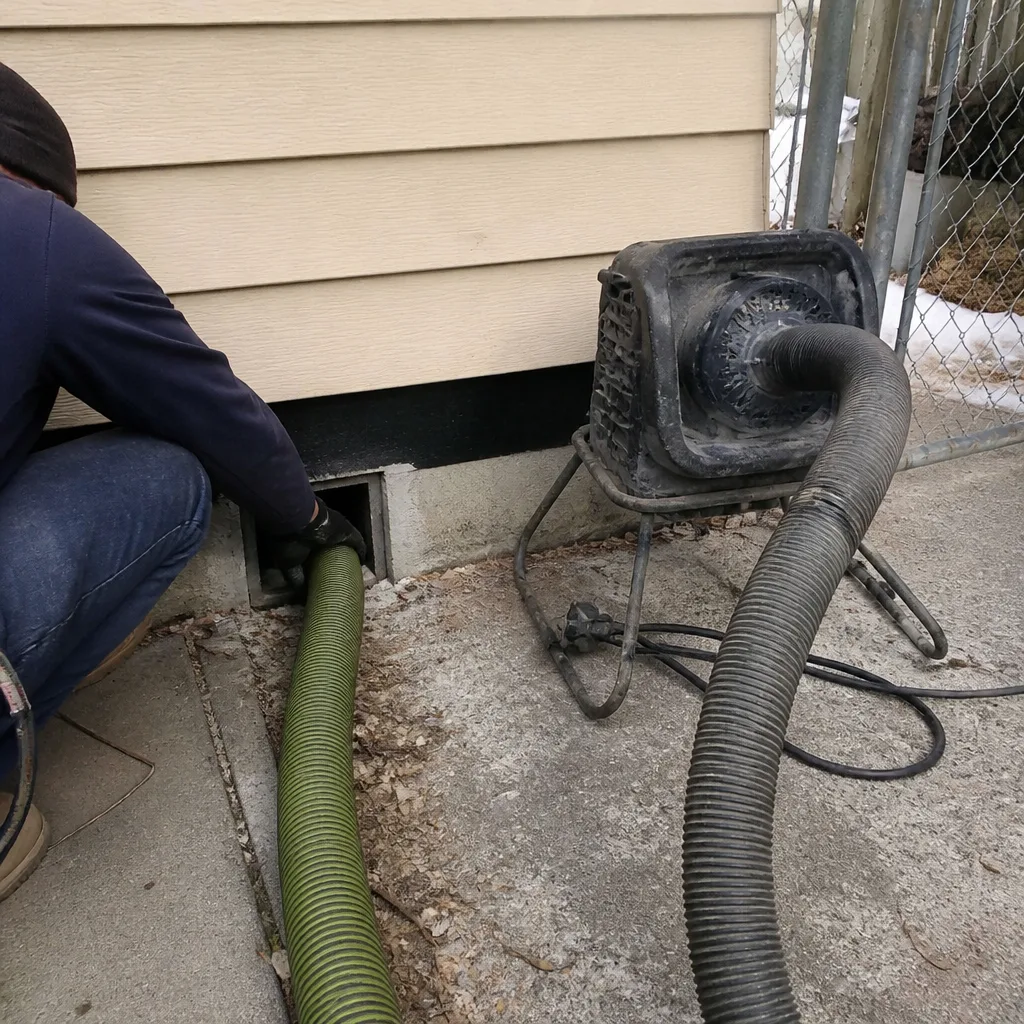 Before
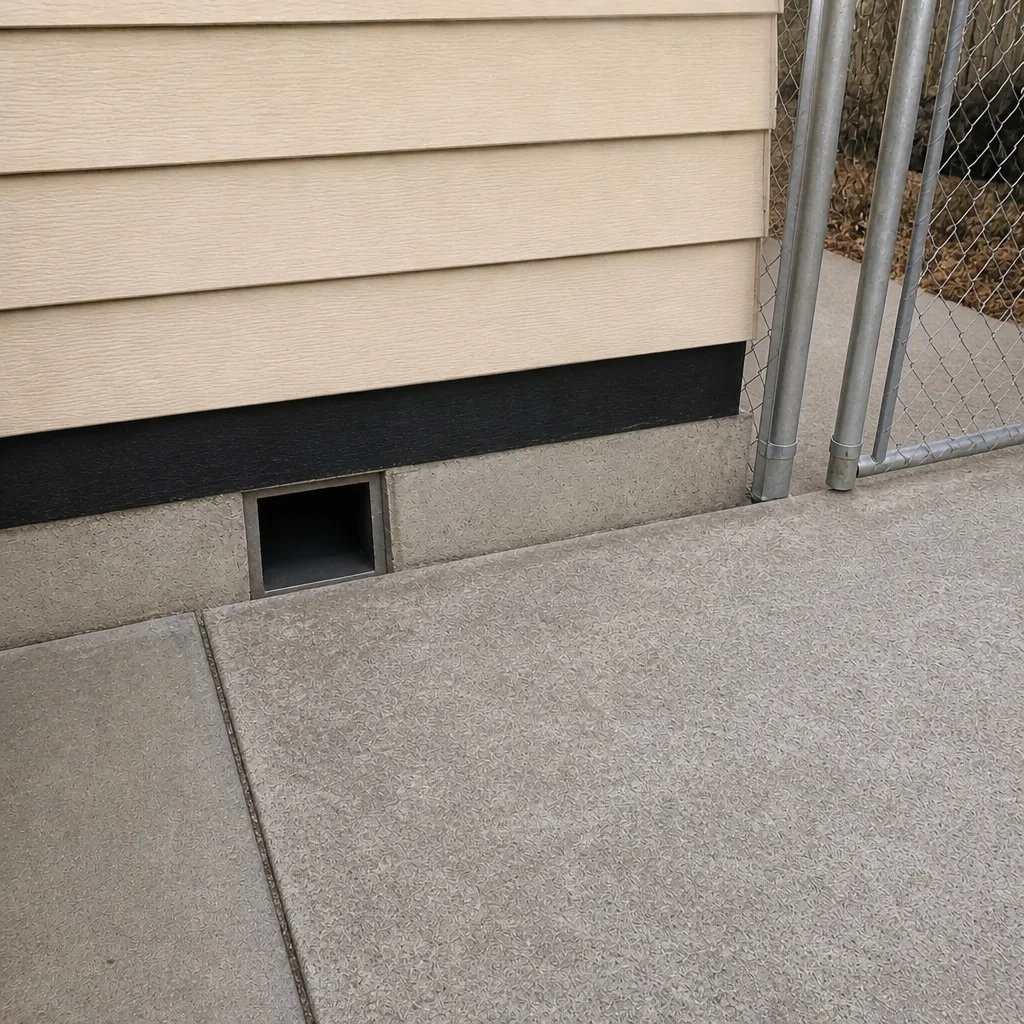 After
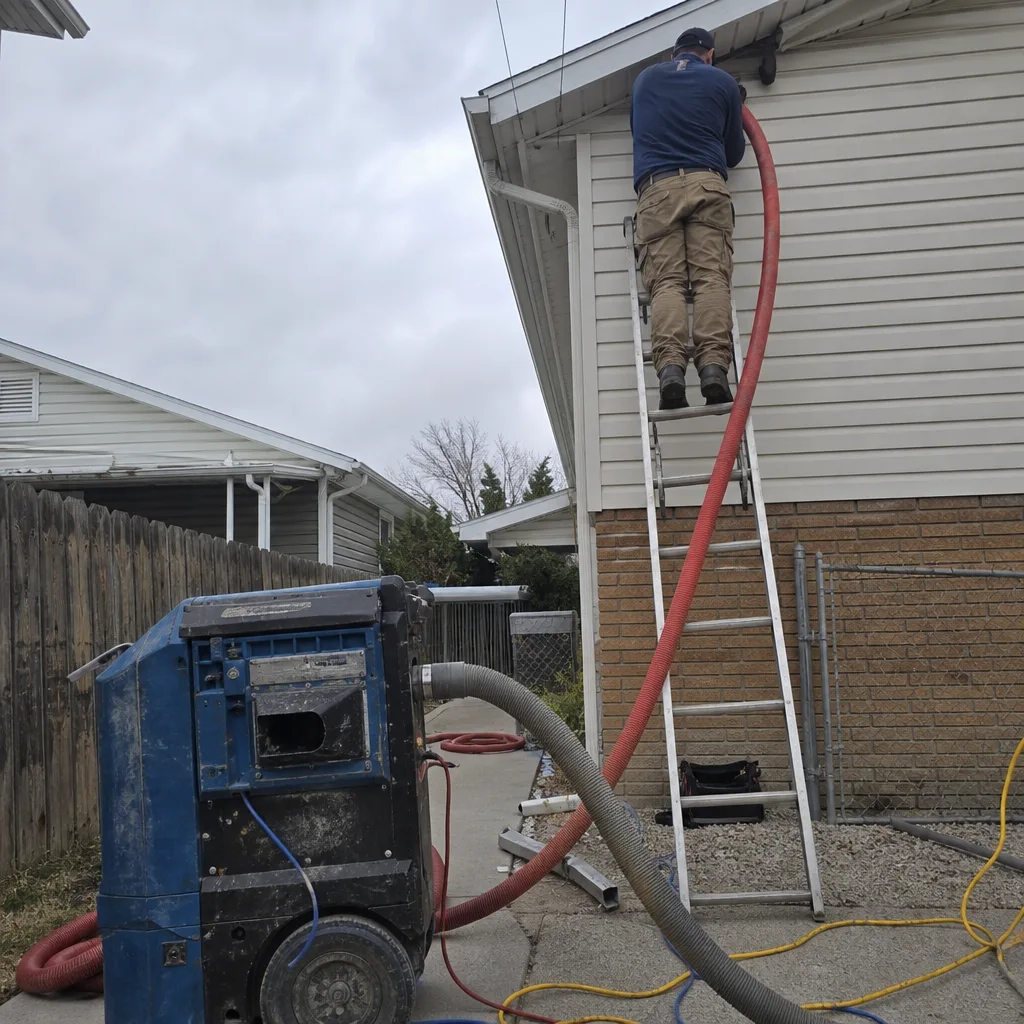 Before
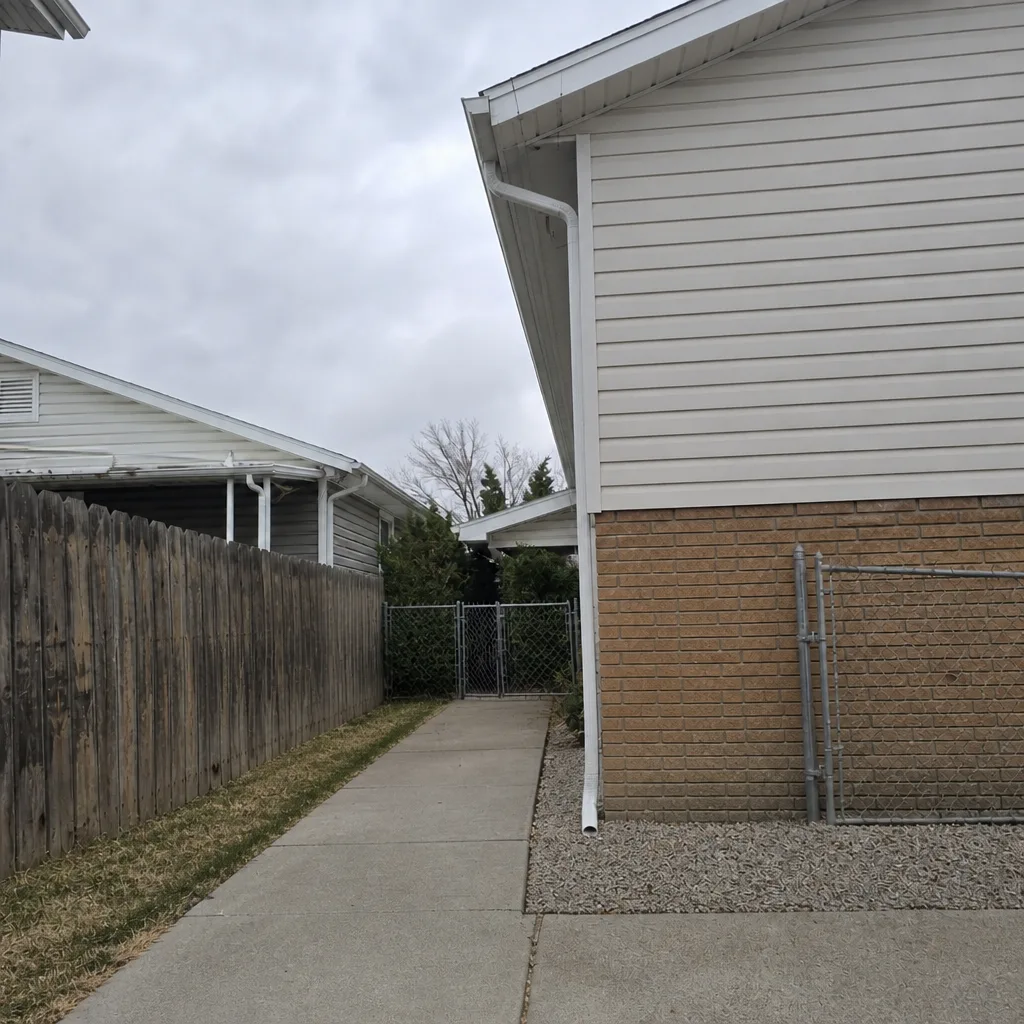 After
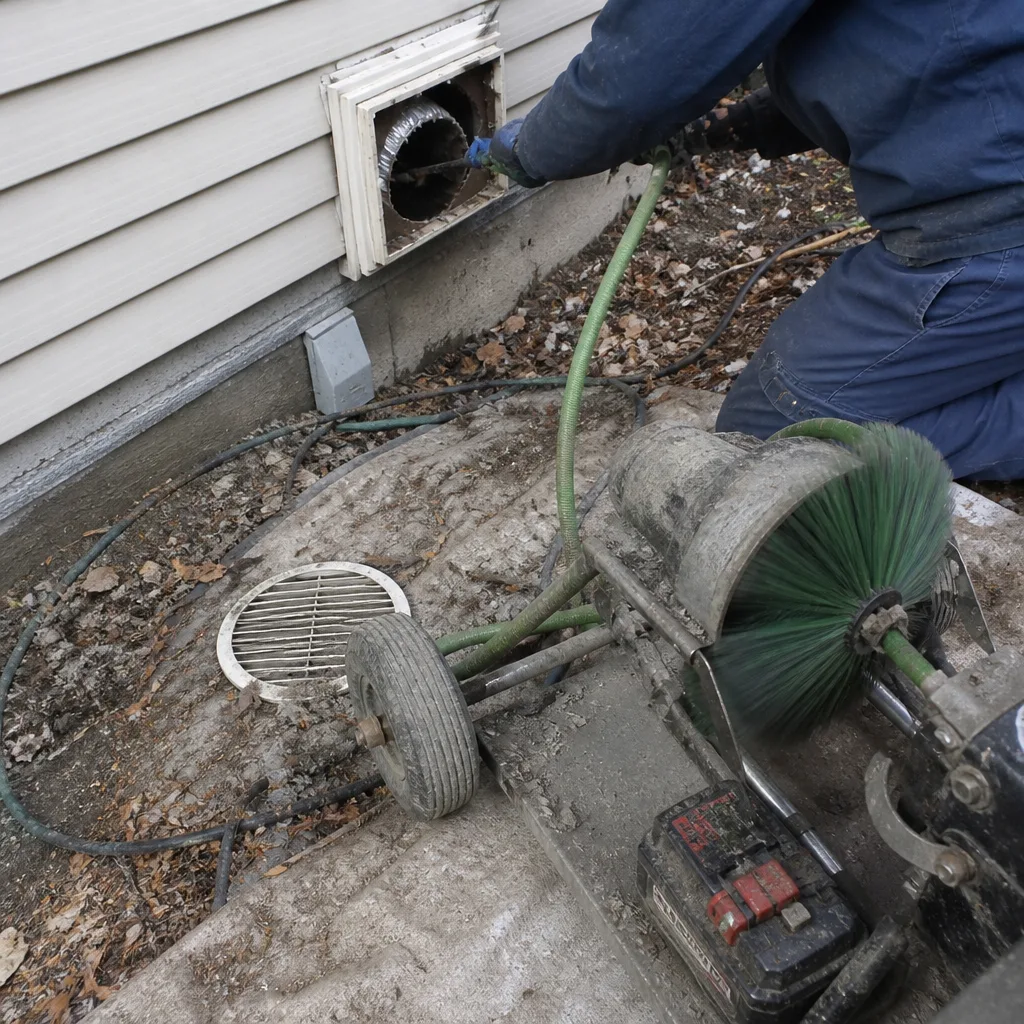 Before
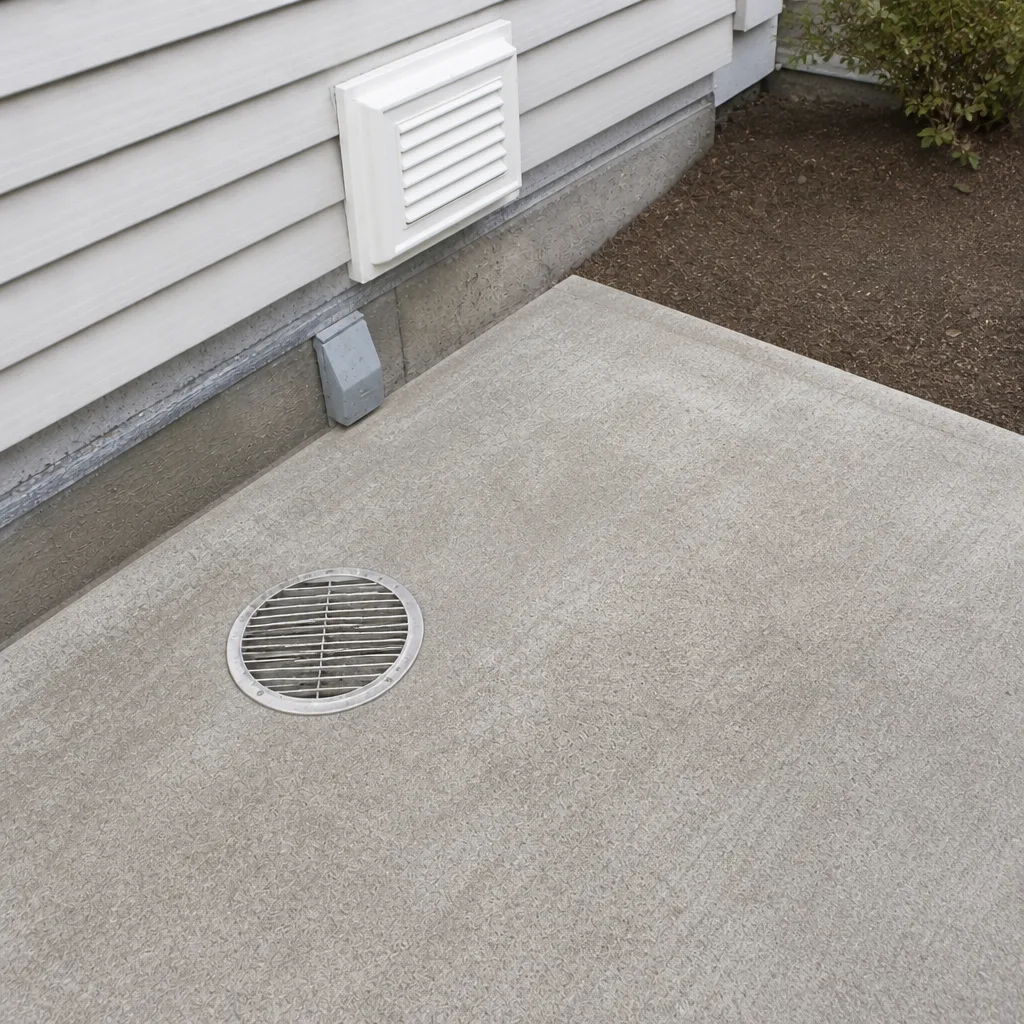 After
When to Call a Professional
Some conditions clearly call for professional attention rather than another month of self-checks: persistent musty odors from registers, uneven airflow to a room that used to cool evenly, visible debris accumulating on the air handler or duct interiors, recent renovation that generated significant dust, evidence of rodent activity in the system, water intrusion near the air handler, or symptoms that suggest microbial growth requiring treatment beyond mechanical cleaning. If your logging shows rapid filter loading or visible accumulation between checks, that’s also a call.
Ogden Air Duct Cleaning Pros offers free estimates in Ogden – call (844) 564-2864. We answer 24/7. Fast dispatch, 7am-7pm, Sunday through Friday. Our technicians use Rotobrush rotary-brush agitation and Nikro HEPA extraction, and the written estimate sets the final price.
Frequently Asked Questions
In most Ogden homes, every 2 to 4 years is reasonable, with an annual visual inspection. Homes with multiple pets, recent renovations, or occupants sensitive to particulate often need cleaning every 2 years because of the additional dust load during inversion season. Call (844) 564-2864 for an exact quote – estimates are free.
Yes. Inversion season, which typically runs November through February, concentrates outdoor particulate that your system pulls through the return side. We recommend tightening the filter check to every 4 to 6 weeks during those months and inspecting the return trunk with a camera rather than estimating condition from visible register dust.
Reliable signals include visible accumulation on the air handler or register boots, musty odors from vents, uneven airflow, and rapid filter loading relative to your household’s normal pattern. A camera inspection is the only way to assess interior duct condition directly. Call (844) 564-2864 for an exact quote – estimates are free.
Yes. Dryer vents typically need cleaning at least once a year, and every 6 to 9 months in high-use households during Ogden’s winter months. The inspection rhythm matches duct care, and handling both together covers the entire air pathway instead of leaving one high-risk component unchecked.
No. A shop vac doesn’t have HEPA filtration to trap fine particulate, and it can’t reach deep into branch runs or agitate debris from duct walls the way a rotary brush does. Professional cleaning with extraction equipment is the only method that reliably removes accumulated material without redistributing it into the living space. Call (844) 564-2864 for an exact quote – estimates are free.
Often, yes. The air handler, evaporator coil, and blower assembly accumulate debris alongside the ducts. If your ducts are cleaned but the air handler isn’t inspected and cleaned where needed, the system re-contaminates the ducts faster than it should. That’s why we scope HVAC cleaning and duct cleaning together.
The Bottom Line
A duct maintenance schedule is layered: filter checks every 1 to 3 months, a visual inspection yearly, and a professional full-system cleaning every 2 to 4 years in most Ogden homes. Treat the schedule as a starting point, adjust for pets, occupancy, and renovation, and let a log of filter photos and inspection notes tell you when your specific home actually needs the next cleaning. Dryer vents belong on the same calendar. When inversion season tightens the base interval, that’s normal for Ogden, not a problem with your home.
Call (844) 564-2864. We answer 24/7. Fast dispatch from 7am to 7pm, Sunday through Friday.
Written by the team at Ogden Air Duct Cleaning Pros.