
Last updated November 25, 2026
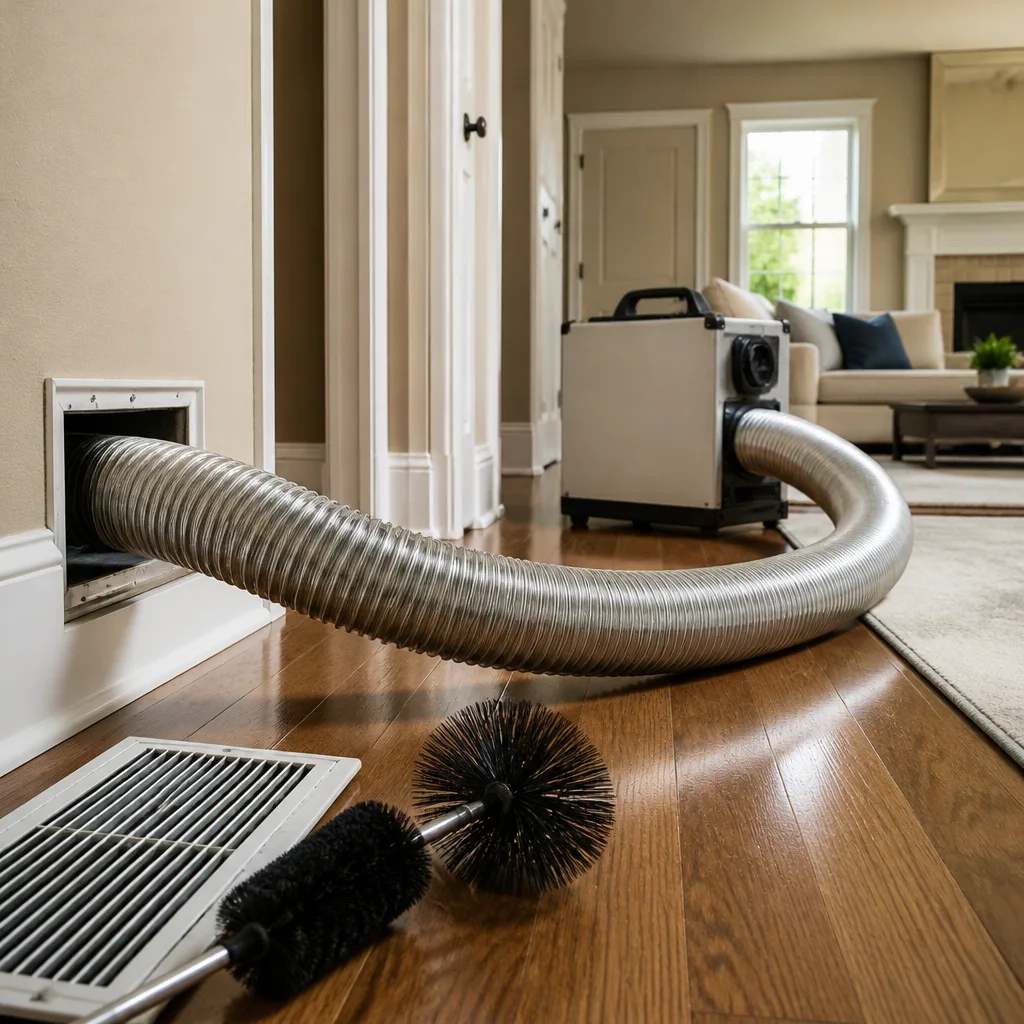 Whole-home duct cleaning
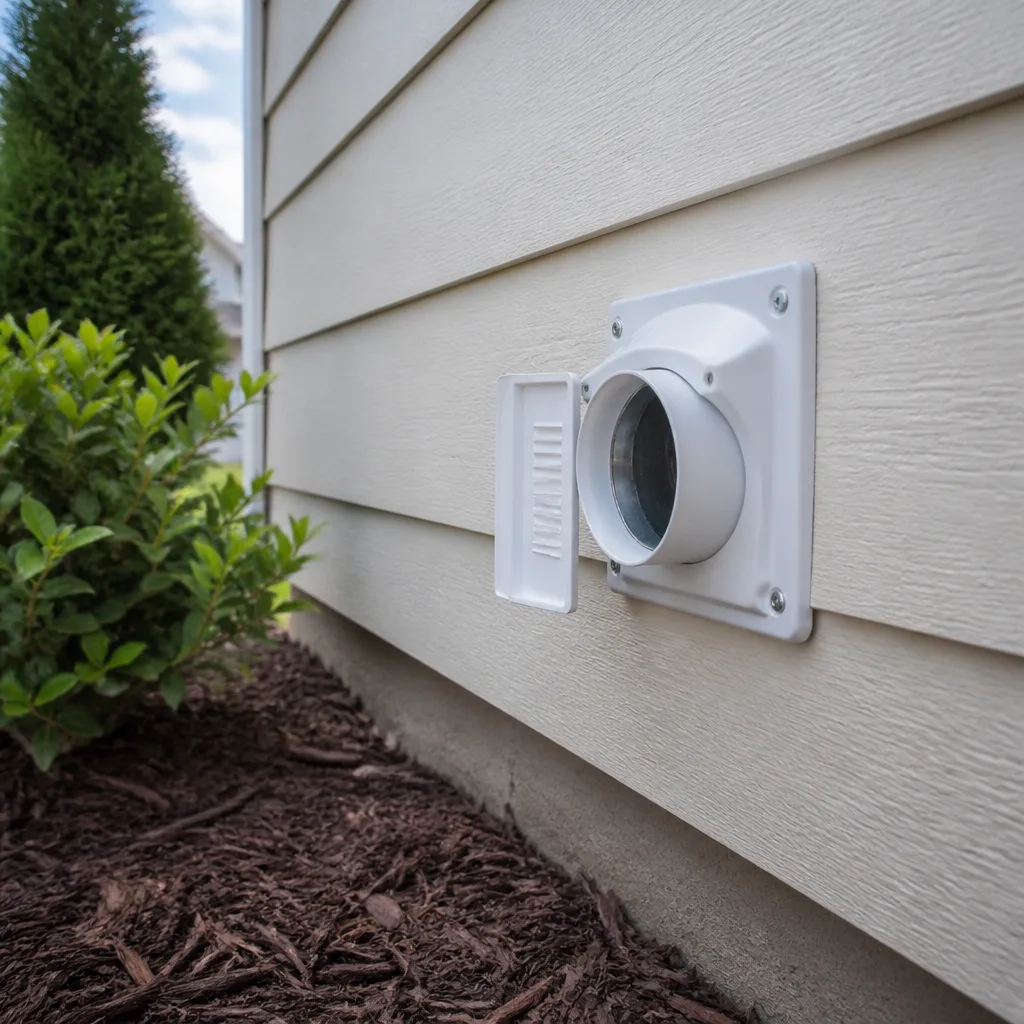 Dryer vent cleaning
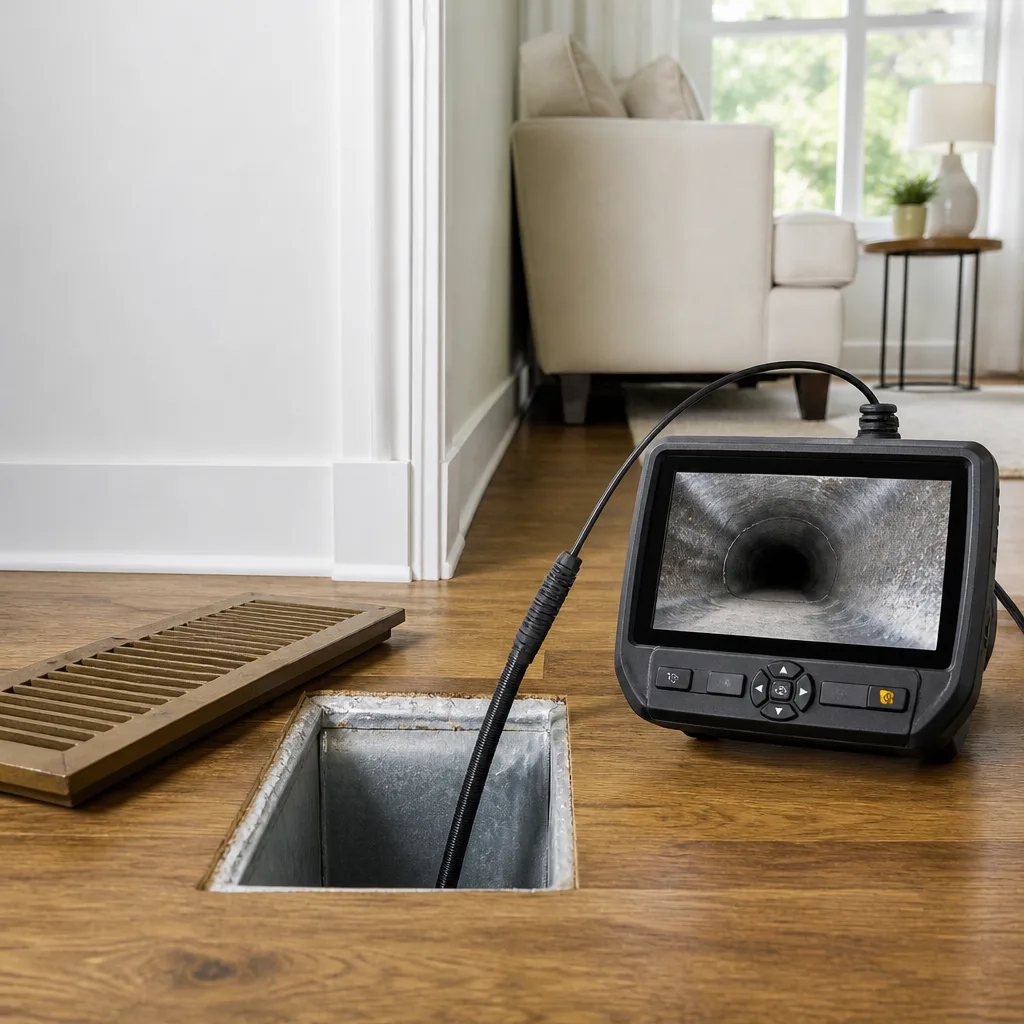 Camera inspection
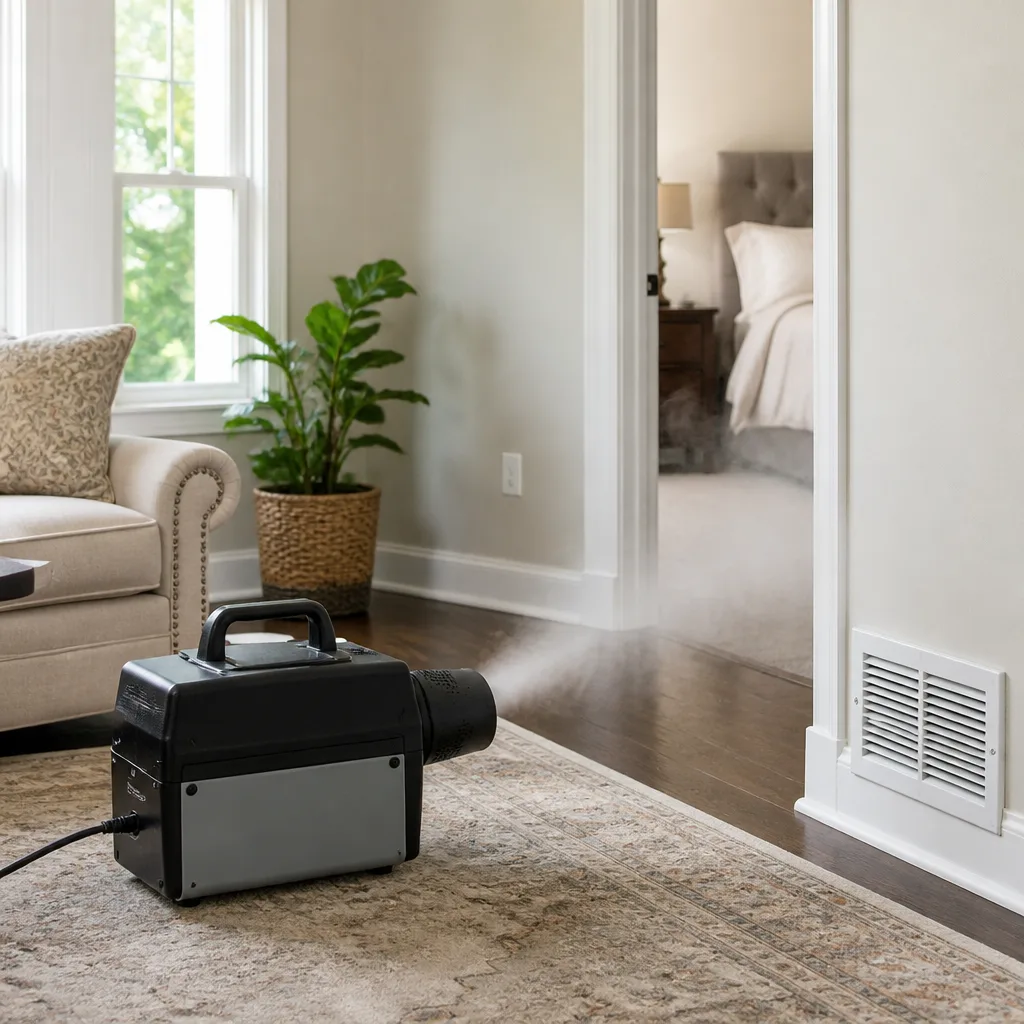 Sanitizing & deodorizing
Whole-system duct and dryer vent check with before-and-after photos - you see exactly what came out of your vents
That "$99 whole-house special" is a bait ad - the real number appears once they are in your hallway, or the "clean" is a shop-vac at the register. We photograph the inside of your ducts before and after instead.
Air Duct Cleaning Maintenance Checklist for Ogden Homeowners
Changing your filter on schedule is not a maintenance plan. It’s one checkpoint. A filter only catches what reaches it, and plenty of debris never gets that far: it settles on the duct walls, the plenum, the return chase, the blower housing. A fresh filter installed over a duct system coated with years of buildup just slows the airflow that carries the dust. What actually changes the picture is knowing when to look, what to look for, and which local conditions speed up the clock. In Ogden those conditions are specific: inversion-season particulate, summer wildfire smoke, new-build dust from fast-growing neighborhoods, and a heating season that runs longer than most checklists assume. This guide walks through a maintenance calendar built around how Ogden actually works, room by room and season by season.
Quick Answer
A practical air duct maintenance checklist for an Ogden home runs on a seasonal cycle: spring cleanup after inversion season, a mid-summer wildfire smoke check, an October inspection before the furnace runs hard, and filter tracking all year. Most homes here need a professional full-system cleaning every few years, more often in new-build corridors or homes near recent construction, with dryer vent inspection added on the same visit.
Styles & brands we work with
- Whole-home duct cleaning
- Dryer vent cleaning
- Camera inspection
- Sanitizing & deodorizing
Table of Contents
- Why Ogden Ducts Age Differently
- The Ogden Seasonal Checklist, Month by Month
- What You Can Inspect Yourself vs. What Needs a Scope Camera
- Tracking Filter Loading Rate as a Contamination Signal
- Checklist for New-Build Zones and Weber County Growth Corridors
- Adding Dryer Vent Inspection to the Same Visit
- When Sanitizing Belongs in the Sequence
- Frequently Asked Questions
Why Ogden Ducts Age Differently
An air duct system in Ogden collects a different mix of debris than one in a temperate city where the heat runs three months a year. Ogden sits in a bowl between the Wasatch Range and the Great Salt Lake, and the geometry matters. Cold air drains off the canyons overnight, winter inversions hold particulate near the valley floor, and the furnace cycles hard for months. Each of those cycles pulls air through the same ductwork, dropping a thin layer of dust on every pass.
Three things drive the loading rate here:
- Furnace cycling. Long, cold winters mean the blower runs hundreds more hours per season than in milder climates. Each hour of runtime moves air past the duct walls and deposits what the filter missed.
- Inversion-season particulate. During the cold months, valley air holds fine dust and combustion particulate that doesn’t disperse. The system pulls that in, and the filter catches most of it, but the fraction that gets past settles in the return chase and on register grilles.
- Wildfire smoke. Late summer and early fall bring smoke plumes that drift into the valley from regional fires. That smoke carries fine particulate under 2.5 microns, and while a filter catches a share of it, the residue leaves an odor trace in the duct system that cleaning removes and vacuuming alone won’t.
The result is that an Ogden home’s ducts tend to load from the return side first, not the supply side. Homeowners who check supply registers, see relatively clean grilles, and conclude their ducts are fine are looking in the wrong place. The return side is where the dirt lands first, and that’s where an inspection should start.
The Ogden Seasonal Checklist, Month by Month
A maintenance calendar works better than a vague “every few years” rule because it ties the inspection to the season that causes the problem. Here’s the cycle we recommend for Ogden homes.
March through April: Post-Inversion Cleanup
- Pull and inspect the return-air grilles. If they show a visible gray mat of dust, the return chase is loaded and the filter has been bypassing.
- Check for a stale, closed-in smell when the furnace first kicks on in the morning. That’s the sound of dust burning off the heat exchanger, and it’s the clearest signal of duct residue.
- Look at the filter housing. A filter that pulls away from the frame on one side lets air bypass entirely, and bypassed air carries dust straight into the ductwork.
- Schedule a full-system cleaning if the last one was more than three years ago, or sooner if you’re in a new-build area.
May through June: Shoulder-Season Inspection Window
This is the easiest time to schedule a cleaning because the furnace isn’t running hard and the AC hasn’t taken over yet. It’s also when a scope camera inspection is most useful: you can see the duct interior without the thermal cycling that makes flex duct read inconsistently on camera. If your home has flexible duct runs in the attic, check the joints and the outer vapor barrier for sagging, kinks, or tears. Visible sagging means the duct is losing air and pulling dust in through gaps.
July through September: Wildfire Smoke Prep
Before smoke season peaks, check the filter’s MERV rating. A standard fiberglass filter catches very little. Upgrading to a pleated filter at a higher MERV is one of the highest-return changes an Ogden homeowner can make, especially in smoke season. Pair the upgrade with a look at the register grilles in bedrooms and the return grille in the hallway; those are the first surfaces to show the gray film smoke leaves behind. A Honeywell or Aprilaire filtration upgrade is worth discussing with the technician doing the cleaning, because the equipment install and the duct cleaning should happen in the same sequence.
October through November: Pre-Heating-Season Inspection
- Schedule a full-system inspection before the first cold snap. Furnace technicians get booked solid the week temperatures drop, and duct cleaning slots fill the same way.
- Verify the filter is seated fully and the correct size for the housing. A filter that’s too thin rattles and bypasses; one that’s too thick compresses and blocks airflow.
- Check the dryer vent exterior flap for proper opening and closing. A stuck flap is the most common warning sign of lint buildup.
- Walk the basement or crawlspace and look for disconnected duct joints. A gap at a boot or collar dumps conditioned air into the crawlspace and pulls replacement air through cracks, which brings dust with it.
December through February: Mid-Season Filter Tracking
During peak heating, check the filter once a month. If it’s loading faster than usual, the change is a signal: either the filter is undersized, the bypass is worse than you thought, or the duct system is depositing more dust than the filter can intercept. That last case is the one that points to professional cleaning.
What You Can Inspect Yourself vs. What Needs a Scope Camera
Homeowners can and should do regular visual checks. A scope camera is a different kind of tool. Knowing which is which saves both money and false confidence.
What you can check yourself
- Register grilles. Pop the grille off and look at the boot behind it. Visible gray dust on the metal indicates buildup in the branch run.
- Return-air grilles. These are the highest-signal check. A loaded return grille means the whole system is pulling dust through before the filter has a chance.
- Visible flex duct joints. Walk the attic or basement and look at the collars where flex duct meets metal boot or plenum. Look for disconnected joints, taped seams that have peeled, and kinks that collapse the duct’s diameter.
- Dryer vent exit. Step outside and look at the exterior flap while the dryer is running. The flap should open freely with warm air, and there shouldn’t be a lint halo around the vent hood.
- Filter housing fit. Check that the filter seals on all four sides. Gaps are the single most common cause of dust bypass in residential systems.
What needs a scope camera
Everything downstream of the register boot and inside the trunk line. A scope camera lets a technician see the interior walls of the main trunk, the condition of flex duct where it’s buried in soffits or attic insulation, and the amount of debris settled on the bottom of a horizontal run. Without a camera, a visual inspection is guesswork past the first few inches. When we run a scope through an Ogden home’s duct system, we’re looking for three things: the depth of settled debris on the horizontal runs, moisture or microbial growth on the duct walls, and any disconnected or crushed sections that will keep bypassing until they’re sealed.
The distinction matters because a homeowner who skips the camera and relies on a cheap visual check often ends up scheduling a full cleaning anyway once the technician sees the trunk. Getting the inspection right the first time saves the second call. Professional-grade cleaning uses a rotary brush to agitate the duct wall, paired with a HEPA-rated vacuum to trap what the brush lifts. That combination addresses what a camera finds, and it’s the reason the two tools travel together.
Tracking Filter Loading Rate as a Contamination Signal
Most homeowners change their filter on a manufacturer’s schedule without ever measuring how fast it actually loads. That’s a missed signal. The loading rate is one of the most reliable proxies for what’s happening upstream in the duct system, and tracking it takes nothing more than a calendar and a marker.
How to track it
- Write the install date on the filter frame edge when you change it.
- Check the filter every two weeks. Note the date when the filter first shows a visible gray haze on the inlet face.
- Log the number of weeks between install and that first visible load. That’s your baseline.
- Compare across seasons. A filter that used to show haze at week six and now shows it at week three is telling you the dust load in the system has increased.
What the rate tells you
- Faster loading in winter is usually normal for Ogden, because more heating hours mean more air through the filter.
- Faster loading after a neighboring new build points to construction dust entering through window percolation or returning through the fresh-air intake. That’s a cleanup signal, not a filter-signal.
- Faster loading with no seasonal explanation points to duct bypass: a gap at a boot, a disconnected joint, or a filter housing that doesn’t seal. A scope camera finds it.
- Sudden faster loading after a home renovation almost always means drywall dust and sawdust settled into duct walls and the return chase. That’s a professional cleaning trigger, not an earlier filter change.
Tracking also helps catch the more common mistake: buying a filter with too high a MERV rating for the system. A 1-inch-thick filter rated MERV 13 can choke airflow on a furnace sized for a MERV 8. The filter’s job is to catch what reaches it. The maintenance plan’s job is to make sure what reaches it is the filter, not the duct wall.
Checklist for New-Build Zones and Weber County Growth Corridors
Homes in Weber County’s active growth corridors have their own loading pattern. When the lot next door breaks ground, the dust from grading, framing, drywall, and finish work gets pulled into your duct system through every crack and gap. A new home’s ducts are not immune; they’re more exposed, because construction grading and neighboring builds continue for months.
Here’s the checklist for homes in active new-build areas:
- Seal the return chase. Construction dust is fine and airborne. If the return chase pulls air from a garage-adjacent or attic-adjacent space, that dust gets pulled in and deposited. Sealing gaps at the chase is one of the highest-value fix projects.
- Close windows during the worst construction days. Grading and demolition days disperse the most dust. If the neighboring build is in the foundation or framing phase, close up and rely on filtration.
- Check the filter more often during the build. Expect it to load twice as fast while active construction runs next door.
- Schedule a cleaning at the end of the neighboring build. Once the neighboring home is finished, that’s the right time to clear the system. Waiting until the next prescribed interval means a full season of construction dust stays in the ductwork.
- Inspect the fresh-air intake. Newer homes built to current energy codes have a fresh-air intake that draws outside air directly into the return. In a new-build corridor, that intake is pulling construction dust, and a cleanable filter on the intake is the cheap fix.
- Check for disconnected flexible duct during attic walkthrough. Rough framing in a new build often shakes loose duct joints in the existing home, and disconnected collars are easy to spot in an attic walk.
Timing matters because construction dust is not the same as ordinary household dust. Drywall dust is fine, alkaline, and abrasive. It coats the inside of the duct wall and settles on the blower wheel, and the drop-off in airflow and increase in noise is usually how homeowners notice it. Clearing the system at the end of a neighboring build avoids sending that dust through the blower for a full heating season.
For homeowners in Weber County growth corridors, the plan typically looks like this: one professional cleaning during the neighboring build if your home shows elevated filter loading, and one at the end of the build once the dust settles. After that, back to the seasonal calendar.
Adding Dryer Vent Inspection to the Same Visit
The single highest-value addition to any Ogden duct maintenance checklist is scheduling the dryer vent inspection on the same visit. It’s one of the most common causes of residential fire in Utah, and the majority of homeowners have never had their dryer vent inspected. The vent run is typically hidden inside the wall: it starts behind the dryer, angles up, and can be 25 feet long with two or three elbows. Lint builds up fastest at every elbow and at the transition from the rigid duct to the flexible connector behind the dryer.
Four reasons to combine the two services:
- One visit, one technician. The equipment is already on site. Combining the two saves a second appointment and a second trip charge.
- Shared diagnostic. A technician inspecting the duct system can check the dryer vent while the equipment is already out.
- Filtered lint is a fire load. Lint that gets past the dryer’s own lint screen and into the vent is the fuel source. Cleaning with professional agitation removes it; a home lint brush reaches only the first few feet.
- Timing matches. The pre-heating-season inspection in October is when the laundry runs more, and it’s a natural slot to check the vent.
What to expect from a vent inspection: a technician will run a rotary brush through the vent from the dryer connection or from the exterior, depending on the run, and vacuum the loosened lint with a HEPA-rated unit. A pressure test or a scope camera confirms airflow. The exterior flap should open freely with the dryer running, and there should be no lint buildup around the hood. If your vent run is longer than 25 feet or has more than two elbows, the inspection is worth doing annually rather than on a longer cycle.
See our dryer vent cleaning page for what the visit covers in detail. Pairing the vent cleaning with the air duct cleaning on the same visit is the practical way to keep the whole air pathway on one schedule.
When Sanitizing Belongs in the Sequence
Mechanical cleaning comes first, sanitizing second. That order is not negotiable, and it’s the most common point where cheap services cut corners. Vacuuming alone leaves microbial growth and odor residue on the duct wall. Mechanical agitation with a rotary brush, followed by HEPA extraction, removes the physical debris. Sanitizing then addresses what the brush couldn’t reach into: microscopic growth in the duct lining, odor compounds from smoke or microbial activity, and the residual biological load on the duct surface.
Three conditions point to sanitizing after mechanical cleaning:
- Persistent musty odor that comes back within a few days of cleaning. If the odor is in the duct lining rather than the debris, cleaning removes the debris but not the odor. A Guardsman-based sanitizing treatment addresses the source.
- Visible microbial growth on the duct wall or in the air handler. This is the situation where mechanical cleaning plus sanitizing is the right sequence, and where a vacuum-only service is a waste of money.
- Post-wildfire-smoke season. Smoke leaves a residue on the duct walls that carries an odor trace. Mechanical cleaning removes the particulate; sanitizing neutralizes the smell.
What sanitizing is not: it’s not a substitute for mechanical cleaning. A sanitizing spray applied over a duct system still loaded with debris doesn’t reach the duct wall. It’s also not a one-time fix. If the moisture source that fed microbial growth isn’t addressed, the growth comes back, and a sanitizing cycle on top of the existing problem sets the wrong expectation. The right combination is a full set of five categories: air duct cleaning, dryer vent cleaning, hvac cleaning, duct repair and sealing, and air quality and sanitizing. Those five cover the whole air pathway, and skipping any one of them leaves a gap that the next cycle has to fix.
The full service relationship matters here. When a duct repair is found during inspection (a disconnected collar, a crushed flex run, a boot that’s pulled away from the subfloor), repairing it before sanitizing means the sanitizing treatment stays in the duct instead of venting into the crawlspace. Sequencing the repair first and the sanitizing last is the way to get the most out of the visit.
Common Mistakes to Avoid
- Changing the filter and calling it a maintenance plan. The filter is one checkpoint. Duct residue is what the filter can’t catch, and it accumulates on the duct wall whether or not the filter is fresh.
- Skipping the return side. Most homes in Ogden load from the return first, but homeowners inspect supply registers and conclude the system is clean. The return chase is the first place to look.
- Choosing a coupon service over a documented process. A low-price visit that amounts to vacuuming the visible register boots leaves the trunk and the return chase untouched. Ask what equipment will be used before booking.
- Letting a filter housing bypass. A filter that doesn’t seal on all four sides is letting unfiltered air into the system, which deposits dust downstream. Checking the seal is a two-minute task.
- Ignoring the dryer vent. It’s a hidden fire risk and it’s one of the most common causes of residential fire in Utah. If the vent has never been inspected, add it to the next visit.
- Waiting until the furnace starts struggling. By the time the blower is noisy or the airflow is uneven, the duct system has been carrying heavy residue for a full season. The seasonal inspection is designed to catch it before that point.
- Assuming a new-build home is exempt. In Weber County growth corridors, active construction next door loads the system faster than in established neighborhoods. New homes near active builds need the same or more attention, not less.
See the difference
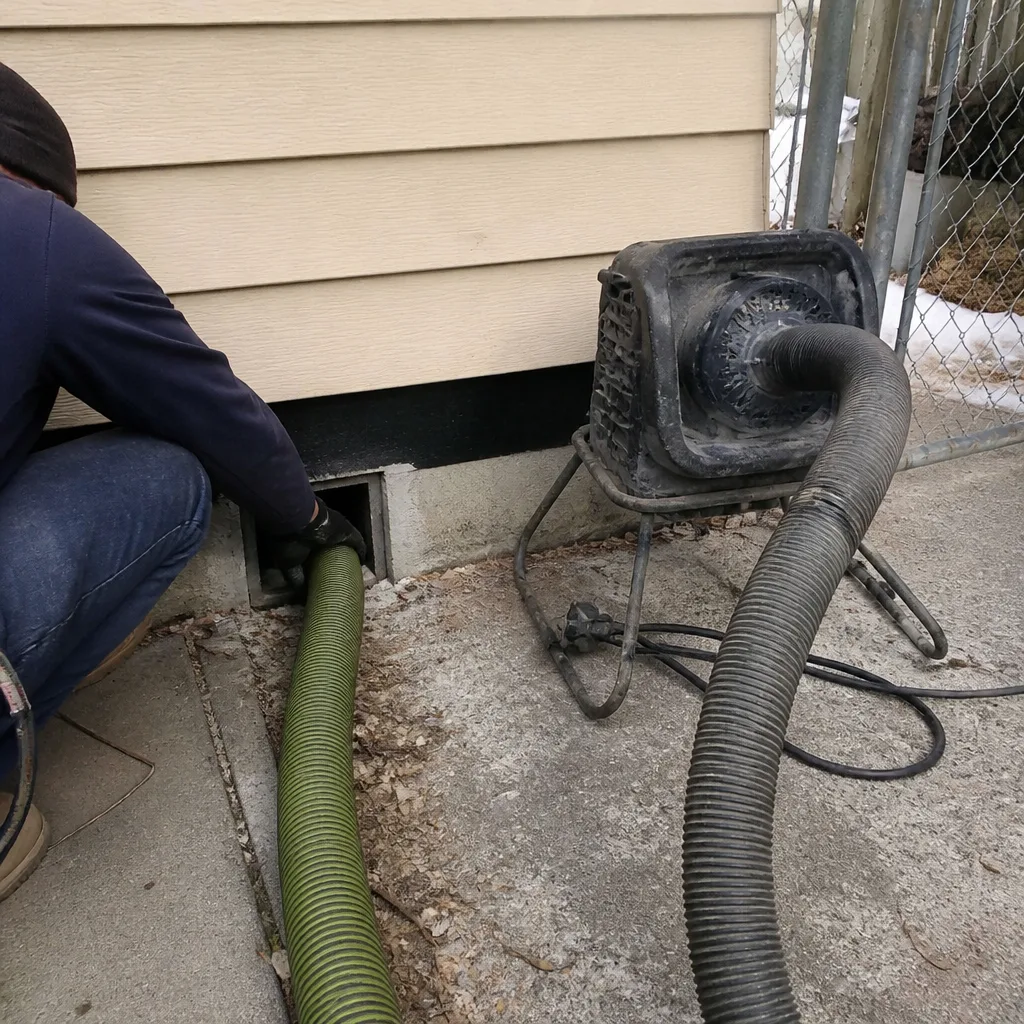 Before
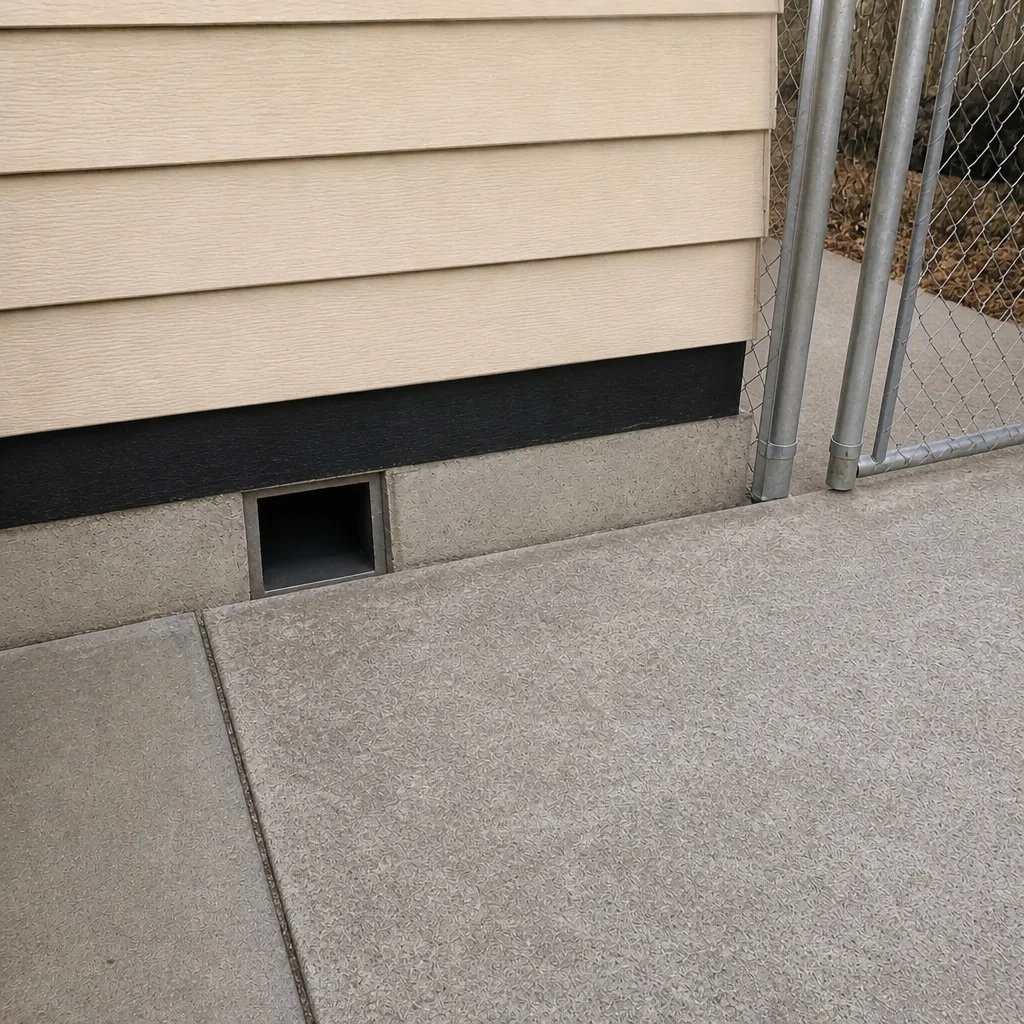 After
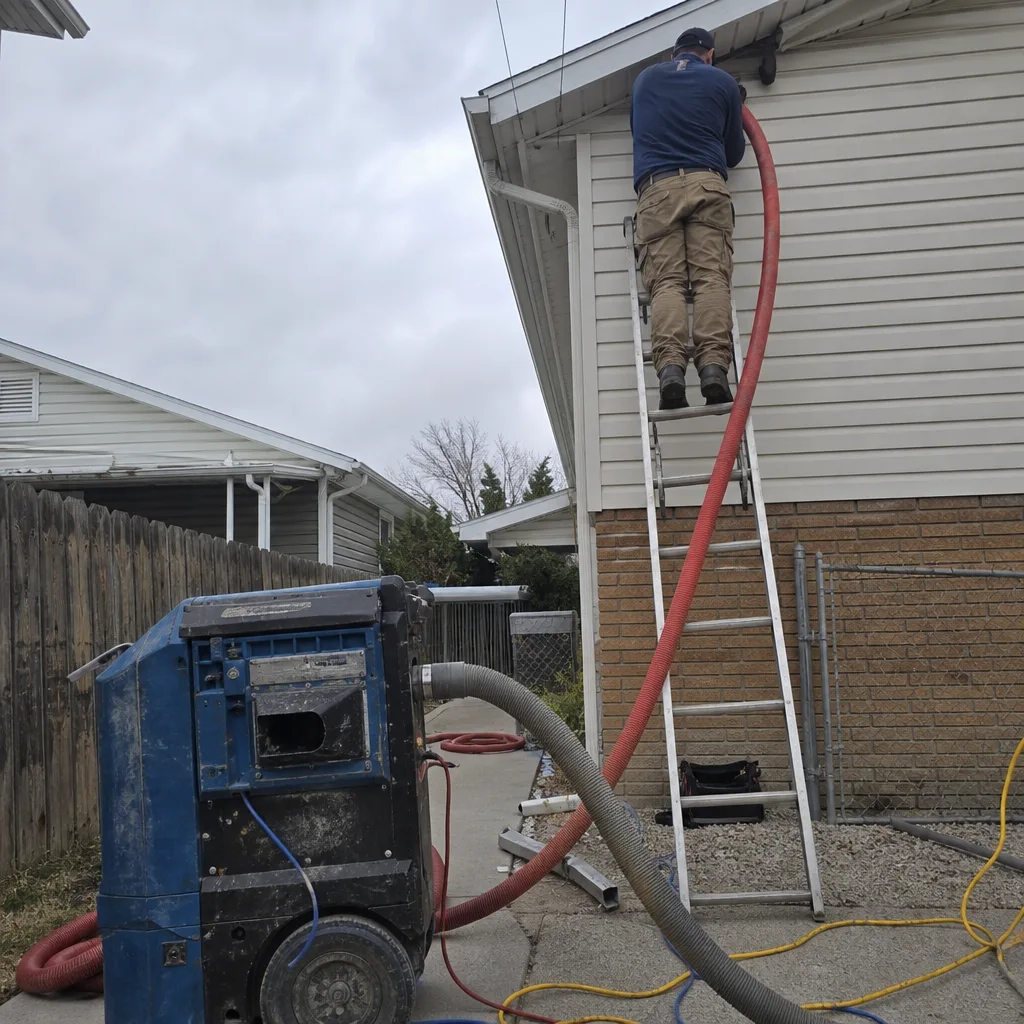 Before
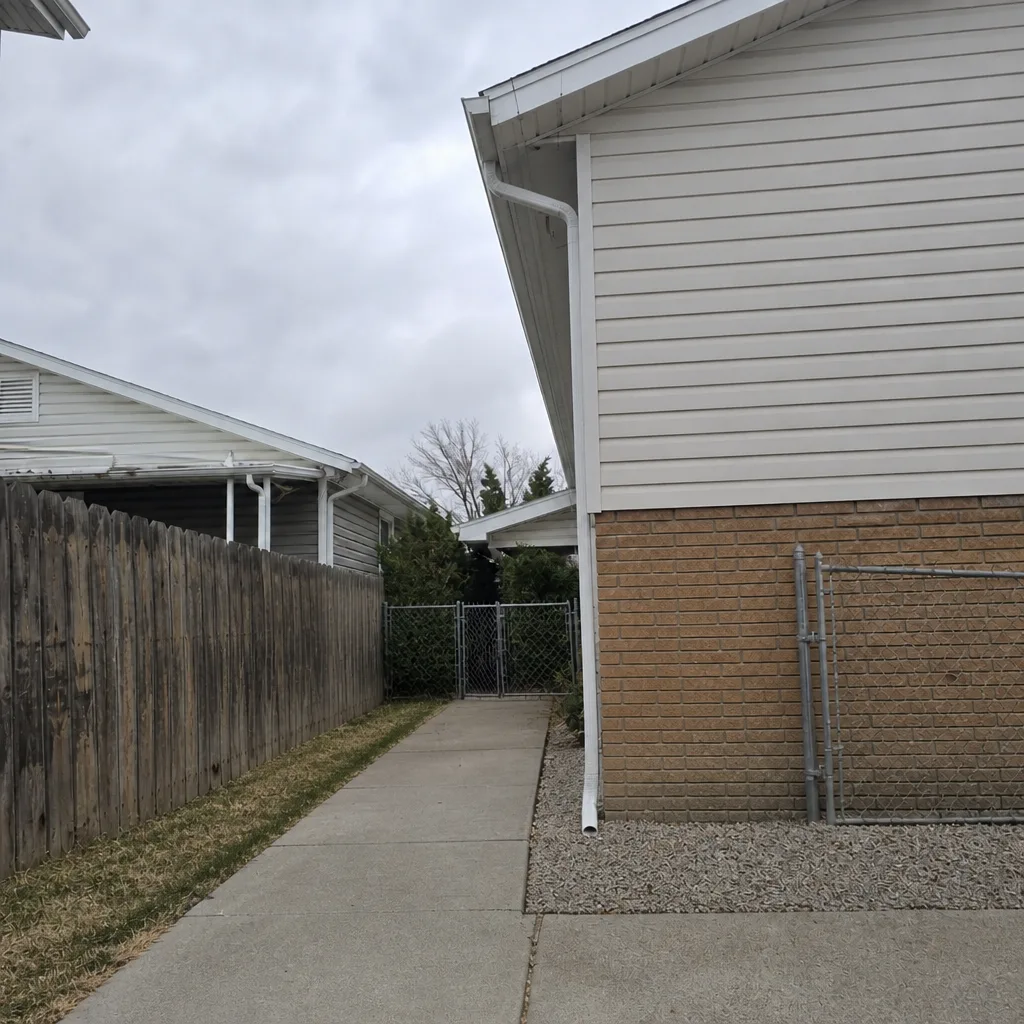 After
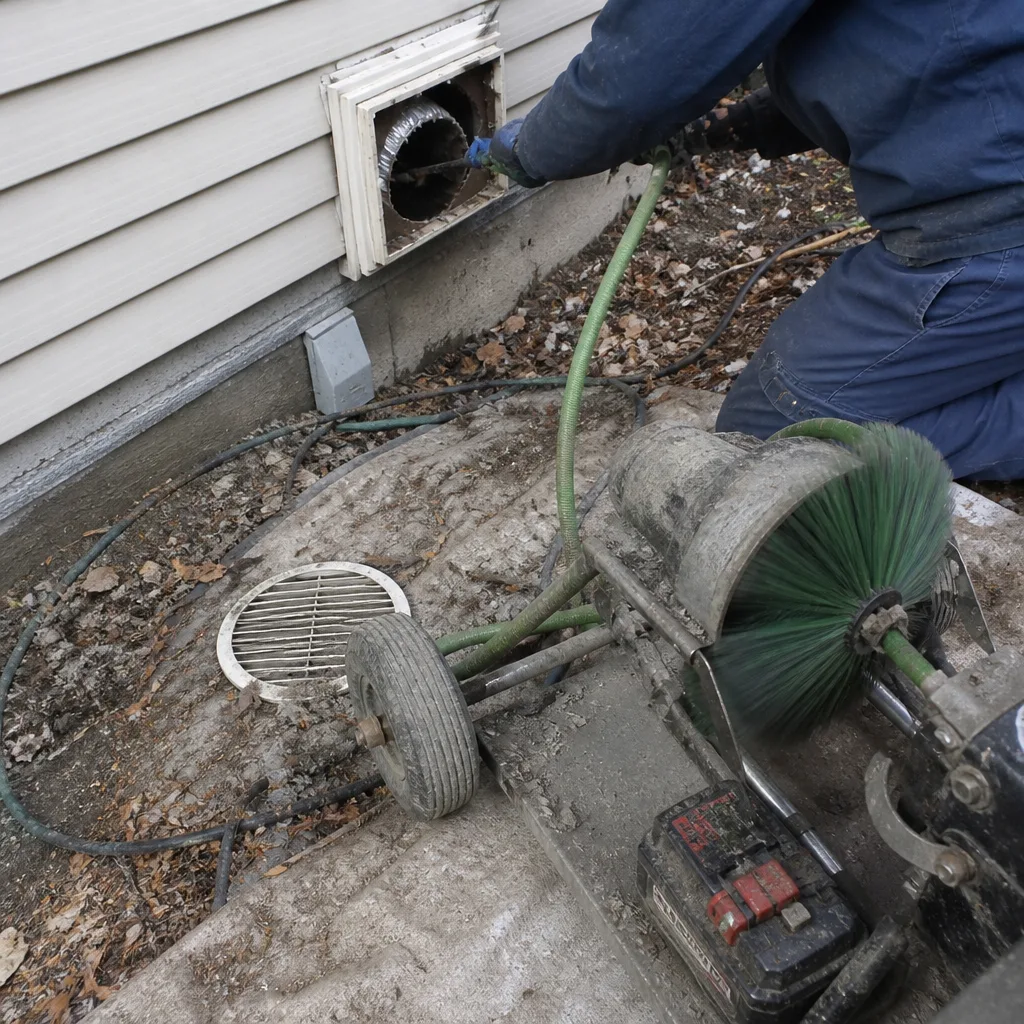 Before
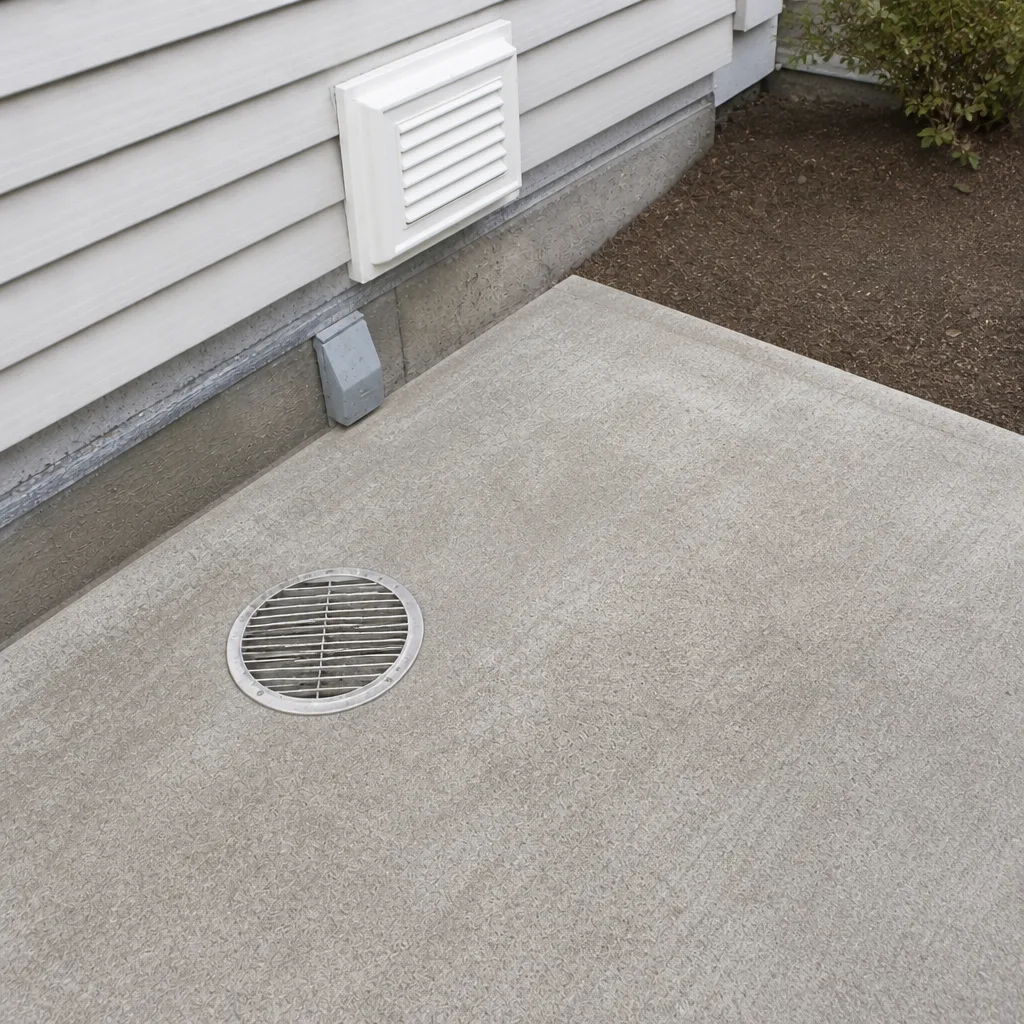 After
When to Call a Professional
Homeowners should call a professional when the checklist turns up signals that go beyond a filter change. Specifically: return-air grilles loaded with gray dust, a persistent musty smell when the furnace first comes on, filter loading twice as fast as it used to, a newly built home next door, a dryer vent that’s never been inspected, or an attic walk that reveals a disconnected flex duct. Those are the situations where professional agitation with a rotary brush and HEPA extraction actually addresses the problem.
Ogden Air Duct Cleaning Pros offers free estimates in Ogden. Call (844) 564-2864. We answer 24/7. Fast dispatch from 7am to 7pm, Sunday through Friday. Our technicians have up to 15 years of experience and work with Rotobrush, Nikro, and Abatement Technologies equipment on the mechanical side, and Honeywell, Aprilaire, and Guardsman on the air-quality side.
Frequently Asked Questions
For most Ogden homes, a professional full-system cleaning every three to five years is the right interval, with a visual inspection annually. Homes in Weber County’s active growth corridors, or homes near a current construction project, should plan for cleaning at the end of the neighboring build, which can mean cleaning within two years of the last visit. Homes with pets or with a family member with allergies or asthma are on the faster end of that range.
Yes. Smoke plumes that drift into the Ogden valley during late summer and fall carry fine particulate that leaves residue on duct walls and odor compounds that linger long after the visible smoke clears. A filter catches a share of it, but the fraction that settles in the return chase stays until mechanical cleaning removes it. If you notice a lingering smoke smell indoors after a heavy smoke season, that’s the signal to book a cleaning.
A proper cleaning uses rotary-brush agitation to dislodge debris from the duct wall, HEPA-rated extraction to trap what’s liberated, and negative-air containment so contaminants don’t redistribute into your living space. A cheap service typically amounts to a vacuum at the register boots, which reaches a few feet at best. Ask what equipment will be used and whether the process includes source containment. Abatement Technologies containment equipment is the commercial-grade standard for that step.
No. A shop vac pulls air from the room, which means it pulls dust into the air as you work. It can’t agitate debris that’s bonded to the duct wall, and it can’t contain what it lifts. The equipment difference is the whole reason professional cleaning works: rotary brush plus HEPA extraction plus source containment. A shop vac attacks the problem from the wrong end.
Ask for before-and-after photos of your system, including a scope camera view of the trunk line from inside. A professional will show you the condition on the way in and the condition on the way out. If the service doesn’t offer that documentation, that’s the clearest sign to look elsewhere. Also ask whether the process includes source containment, because a service that doesn’t contain its own dust is spreading it into the living space as it works.
Yes, and for two reasons. First, combining the two visits saves the cost and hassle of a second appointment. Second, lint in the dryer vent is one of the most common causes of residential fire in Utah, and most homeowners have never had their vent inspected. Adding the vent to the duct visit is the simplest way to catch a fire risk that’s been invisible for years.
The Bottom Line
A real air duct maintenance plan for an Ogden home runs on the calendar, not on a vague interval. Spring cleanup after inversion season, summer smoke prep, October inspection before the furnace runs hard, and annual filter-rate tracking. The self-inspect checklist covers the return grilles, the register boots, the visible flex duct joints, and the dryer vent exit. A scope camera handles everything past that. Track filter loading as a proxy for contamination, and treat a faster rate as a signal to investigate, not a reason to change the filter more often. Homes in Weber County’s growth corridors need extra attention to construction dust and to the fresh-air intake. For a free estimate on a full-system cleaning in Ogden, including the ducts, the dryer vent, the HVAC system, duct repair and sealing, and post-clean sanitizing under one visit, see Ogden Air Duct Cleaning Pros or call (844) 564-2864.
Written by the team at Ogden Air Duct Cleaning Pros.